


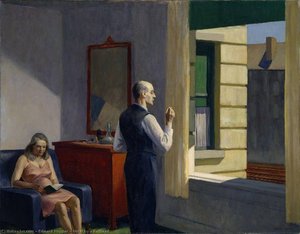

Defining American Realism: Aesthetic Principles for Modern Hospitality Interiors
In the sophisticated realm of hospitality design, where the atmosphere must balance grandeur with an inviting sense of place, American Realism offers a profound stylistic anchor. Unlike the abstract movements that can sometimes feel detached from the guest experience, American Realism is rooted in the tangible, the observable, and the deeply human. This movement, characterized by its meticulous attention to detail and its ability to find extraordinary meaning within ordinary moments, provides a visual language of authenticity. For the hotel designer, integrating these works means introducing a sense of stability and narrative depth into a lobby or lounge. The aesthetic principles of this genre—focused on light, shadow, and the structural integrity of the subject—align perfectly with modern architectural needs for clarity and impact.
The power of American Realism lies in its rejection of the purely decorative in favor of the evocative. When a designer selects a piece that emphasizes the interplay of light across a surface or the quiet geometry of an urban scene, they are not merely filling a wall; they and are curating an emotional response. The movement’s commitment to depicting the world as it is—yet with a heightened sensitivity to atmosphere—allows for a seamless integration into contemporary spaces. It provides a bridge between the historical weight of fine art and the sleek, functional requirements of modern luxury, ensuring that every interior tells a story of permanence and truth.
Thematic Applications: From Urban Solitude to Coastal Serenity in Hotel Decor
The versatility of American Realism allows designers to tailor the emotional temperature of a space through specific thematic choices. Consider the urban themes popularized by masters like Edward Hopper. Works such as Chop Suey or his depictions of city streets evoke a sense of sophisticated, quiet introspection. These pieces are exceptionally effective in metropolitan boutique hotels or high-end cocktail lounges, where the mood is often one of nocturnal elegance and contemplative solitude. The stark contrasts and dramatic lighting inherent in these compositions can serve to define architectural boundaries, creating focal points that command attention without overwhelming the room's modern lines.
Conversely, for resorts and coastal properties, the movement offers a different, equally compelling narrative. The serene landscapes of Maine or the tranquil depictions of maritime life found in works like Monhegan Houses or Squam Light bring an element of nostalgic peace to a seaside retreat. These paintings utilize a softer palette and more naturalistic light to evoke the rhythmic calm of the ocean. By utilizing these themes, a designer can reinforce a property's geographic identity, using art to ground the guest in the beauty of their surroundings. Whether through the poignant isolation of an urban street or the quiet majesty of a lighthouse, American Realism provides the thematic tools to craft immersive environments.
Curating Masterpieces: Selecting Iconic Works for Large-Scale Architectural Spaces
When approaching large-scale architectural projects, such as grand hotel lobbies or expansive corridors, the challenge lies in selecting art that possesses sufficient scale and presence to match the volume of the space. American Realism is uniquely suited for this task due to its structural composition. The movement often utilizes strong horizontal and vertical lines—the edge of a building, the horizon of a sea, or the window frame of a cafe—which can be used by designers to echo or complement the room's own architectural rhythm. Selecting iconic compositions allows for a sense of prestige that elevates the entire property.
For wide, imposing walls, the use of multi-panel layouts is an increasingly popular strategy in high-end procurement. Splitting a single, powerful composition across three, four, or even five panels creates a panoramic effect that can transform a corridor into a gallery experience. This technique allows for a massive visual impact while maintaining the cohesive flow of the original masterpiece. When curating these large-scale works, it is essential to consider how the light in the physical space will interact with the painted light within the artwork, ensuring that the shadows and highlights of the piece enhance rather than compete with the interior lighting design.
Technical Specifications: Hand-Painted Reproductions vs. Giclée Prints for High-Traffic Areas
From a procurement perspective, understanding the technical distinction between different art mediums is vital for long-term durability and aesthetic success. In high-traffic hospitality environments, the choice between a hand-painted oil reproduction and a Giclée print involves weighing tactile depth against logistical ease. A hand-painted reproduction, executed on 100% cotton canvas with visible brushstrokes and impasto textures, offers a level of prestige and "soul" that is unmatched. The physical presence of the paint creates a three-dimensional quality that catches the light dynamically, making it an ideal choice for primary focal points like reception desks or main lounges where guests linger.
While Giclée prints offer incredible color accuracy and are highly cost-effective for large-scale coverage in secondary spaces like hallways or guest rooms, they lack the textural depth of oil. For designers seeking to create a premium atmosphere, we recommend prioritizing hand-painted oils for key architectural zones. These works are finished with professional-grade varnishes, such as Damar, which protect the surface from dust and atmospheric pollutants—a necessity in public spaces. When budgeting for large orders, it is important to account for the longer production timelines of bespoke oils, but the resulting increase in perceived value and guest satisfaction often justifies the investment.
Procurement and Implementation: Custom Sizing, Multi-Panel Layouts, and Global Logistics
For the professional designer or procurement manager, the success of an art installation depends on operational reliability. The ability to secure custom sizing is paramount; art must be engineered to fit the specific dimensions of a wall, whether it is a massive mural-style canvas or a precisely scaled piece for a niche alcove. Modern procurement allows for "remixing" history—requesting specific color palettes to match a brand's interior scheme or utilizing multi-panel configurations to navigate complex architectural layouts like staircases and wrap-around corners.
Efficiency in the supply chain is the final, critical component of art integration. A reliable supplier must offer transparent order management, from digital mockups that allow for color verification before painting begins, to robust international logistics. For global hotel chains, the ability to receive large-volume orders with full VAT/tax documentation, tracked via DHL or FedEx, ensures that art installation schedules are met without delay. By treating art procurement as a structured, professional process—complete with pre-shipment photo approvals and reinforced packaging—designers can ensure that the final execution of their vision is as seamless as it is beautiful.
For expert assistance in sourcing museum-quality reproductions or managing large-scale commissions for your next project, visit ArtsDot.com. Our professional services include custom sizing, multi-panel engineering, and dedicated project coordination to meet the rigorous demands of the hospitality industry.