The Architectural Impact of Landscape Art: Enhancing Hospitality Interiors
 Landscape painting
Landscape painting, also known as landscape art, is the depiction in painting of natural scenery such as mountains, valleys, rivers, trees, and forests, especially where the main subject is a wide view—with its elements arranged into a coherent compo...
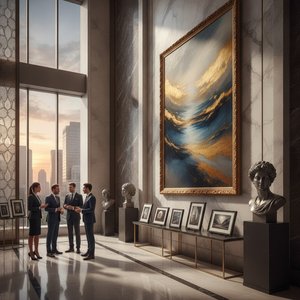
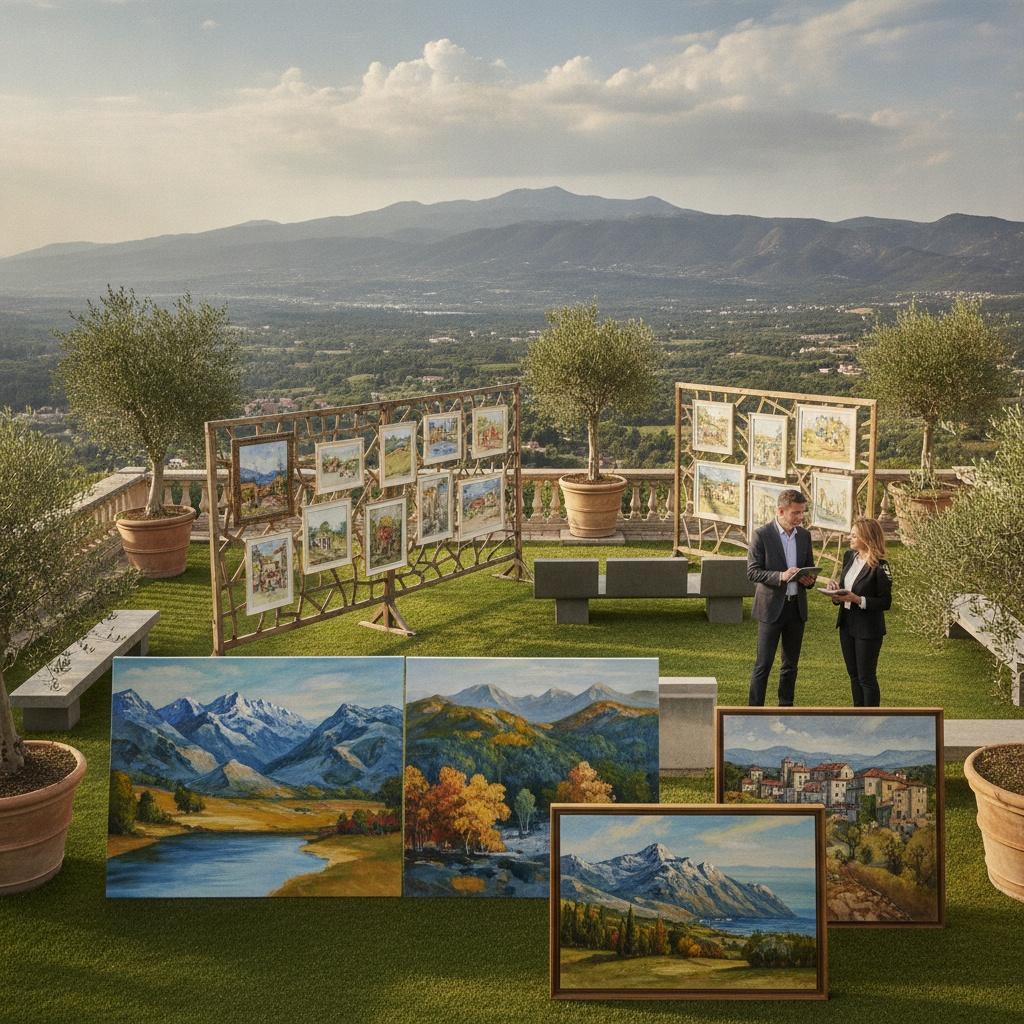
In the high-stakes world of hospitality design, the atmosphere of a lobby or a private suite is defined not merely by furniture, but by the emotional resonance of its walls. For the procurement professional, selecting artwork is a strategic decision to anchor a space within a specific narrative. Landscape art, with its inherent ability to expand the perceived boundaries of a room, serves as a powerful architectural tool. By introducing vistas of mountains, valleys, or tranquil rivers, a designer can dissolve the physical constraints of an urban hotel, offering guests a psychological escape into the infinite. These works do more than decorate; they provide a focal point that directs movement and establishes a sense of place, transforming a transient corridor into a curated experience of serenity and grandeur.
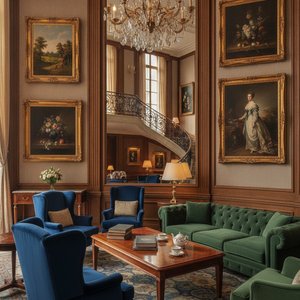
The true value of landscape art in commercial interiors lies in its versatility to complement diverse architectural languages. Whether one is furnishing a minimalist contemporary boutique or a neo-classical luxury estate, the natural scenery depicted in fine art provides a timeless foundation. A well-placed panoramic view can act as a window to another world, mitigating the claustrophobia of dense urban settings and replacing it with the restorative power of nature. For designers managing large-scale projects, the ability to integrate these vistas through custom sizing and multi-panel configurations allows for a seamless blend between the structural elements of the building and the organic beauty of the canvas.
Understanding En Plein Air: The Technical Appeal of Direct Observation
 En plein air
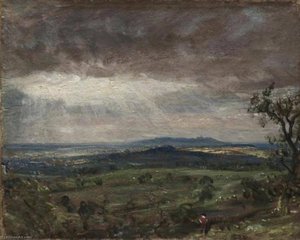
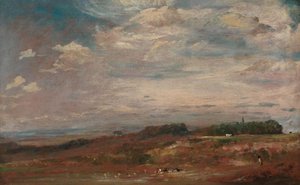
En plein air (pronounced [ɑ̃ plɛ.n‿ɛʁ]; French for 'outdoors'), or plein-air painting, is the act of painting outdoors. This method contrasts with studio painting or academic rules that might create a predetermined look. The theory of 'En plein air' ...
To truly appreciate the depth of landscape art, one must understand the revolutionary technique known as
En Plein Air. Translated literally from French as "in the open air," this method represents a radical departure from the controlled, idealized compositions of the studio tradition. Historically, landscapes were often constructed from memory or sketches, filtered through an academic lens that prioritized perfection over reality. However, the advent of portable paint tubes in the mid-19th century liberated artists, allowing them to sit
in situ before their subject. This shift enabled a level of authenticity that is palpable even centuries later; it allowed for the capture of ephemeral light, the subtle shifts in atmospheric moisture, and the raw, unmediated texture of the natural world.
For the discerning buyer, selecting
En Plein Air reproductions offers a tactile connection to this history of direct observation. Unlike flat, computer-printed posters, a hand-painted oil reproduction captures the visible brushstrokes and impasto textures that define the style. When an artist paints outdoors, they are not merely recording a scene; they are documenting a moment in time—the exact way sunlight hit a meadow or how clouds gathered over a river. In a hotel setting, this brings a sense of life and movement to the decor. The physical depth of the paint on 100% cotton canvas provides a richness that invites closer inspection, ensuring that the artwork remains a captivating subject for guests long after their initial encounter.
Curating by Era: From Renaissance Landscapes to Impressionist Light
The history of landscape painting is a journey from the symbolic to the sensory. In the earlier eras, such as the Renaissance and the works of masters like Pieter Bruegel the Elder, landscapes often served as profound backdrops for spiritual or narrative themes. These works were characterized by meticulous detail and a balanced, often hierarchical, composition where nature reflected divine order. A piece like
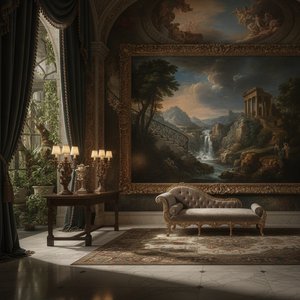
Landscape with Christ Appearing to the Apostles at the Sea of Tiberias demonstrates how an expansive river can serve as a symbolic conduit between the earthly and the divine. For designers aiming for a sense of heritage, prestige, and classical stability, these era-specific works provide an unmatched air of authority and historical weight.
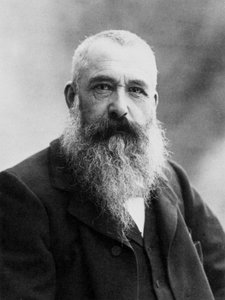
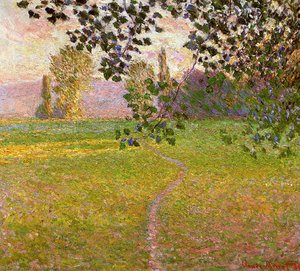
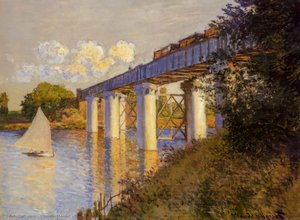
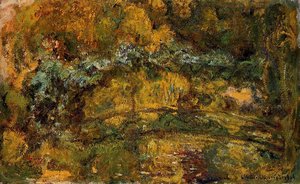
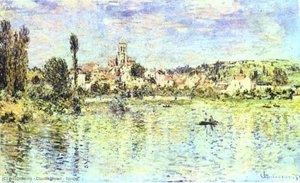
As we move into the 19th century, the focus shifts toward the Impressionist movement, where the subject became the light itself. Artists like Claude Monet and Guy Orlando Rose moved away from rigid forms to embrace loose brushwork and vibrant, atmospheric hues. This era introduced a sense of spontaneity and color theory that revolutionized how we perceive space. For modern hospitality projects, Impressionist-style landscapes offer a lighter, more energetic aesthetic. They are particularly effective in spaces designed for relaxation and rejuvenation, such as spas or breakfast lounges, where the soft, dappering light of an outdoor scene can evoke a feeling of warmth and renewal.
Strategic Selection: Matching Art Styles to Design Palettes
 Impressionism
Impressionism was a 19th-century art movement characterised by visible brush strokes, open composition, emphasis on accurate depiction of light in its changing qualities (often accentuating the effects of the passage of time), ordinary subject matter...
Effective art procurement requires a sophisticated understanding of color theory and interior harmony. A common challenge for the hotel designer is selecting pieces that complement a pre-established color palette without overwhelming the room. Landscape art offers an unparalleled advantage here, as it naturally contains a wide spectrum of tones—from the deep, earthy umbers and forest greens of traditional landscapes to the luminous golds and cerulean blues of Impressionist works. By utilizing professional consultation services, designers can digitally "place" artwork onto their wall renders, ensuring that the tonal range of the painting aligns perfectly with the upholstery, flooring, and architectural finishes of the project.
Beyond color, the scale and composition of the art must respond to the room's geometry. For wide, expansive walls in lobbies or grand staircases, the "multi-panel" trend offers a modern, architectural solution. Splitting a single landscape across three, four, or five panels creates a rhythmic, contemporary look that guides the eye across the space. Conversely, for more intimate settings like executive suites, a singular, focused composition can create a sense of enclosure and privacy. The ability to customize these works—requesting "period shifts" or even altering color temperatures through professional digital mockups—ensures that the final selection is not just an addition to the room, but an integral component of the design DNA.
Procurement Logistics: Scaling Collections with Custom Reproductions and Multi-Panel Sets
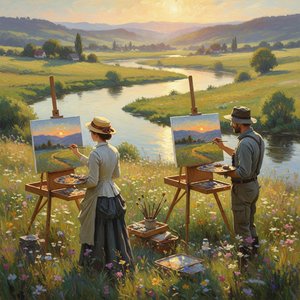 Capturing Ephemeral Light: Plein Air Painting from Impressionism to Today
The Genesis of 'En Plein Air': From Studio Tradition to Landscape Portraiture Wikipedia: En plein air En plein air (pronounced [ɑ̃ plɛ.n‿ɛʁ]; French for 'outdoors'), or plein-air painting, is the act of painting outdoors. This method contrasts with s...
For procurement managers and hospitality chains, the primary hurdles in art acquisition are often scale, budget, and time. Managing a large-scale rollout across multiple hotel properties requires a supplier that understands the necessity of repeatability and reliability. This is where the specialized service of high-volume, hand-painted reproductions becomes indispensable. Unlike the unpredictable nature of the fine art auction market, a professional reproduction service allows for the acquisition of iconic imagery in standardized, repeatable sizes that fit specific architectural dimensions. This ensures brand consistency across an entire hotel portfolio, whether you are furnishing a single boutique location or a global chain.
The logistics of large-scale orders demand a streamlined, transparent process. A reliable partner provides immediate order confirmation, digital mockups for approval, and a clear production timeline—typically 2 to 4 weeks for hand-painted oils. This transparency is vital for meeting strict construction and renovation deadlines. Furthermore, the ability to manage complex orders through an integrated system—where status updates are sent via SMS or email and pre-shipment photos allow for final quality control—removes the uncertainty often associated with custom commissions. When combined with global shipping capabilities via DHL or FedEx and robust customs/VAT support, the procurement of high-end art becomes a functional, manageable part of the broader construction workflow.
Technical Specifications: Ensuring Longevity and Durability in High-Traffic Spaces
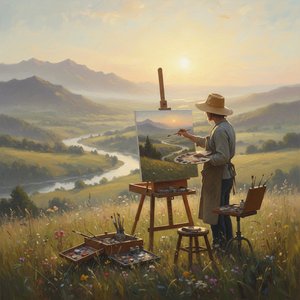 Capturing Ephemeral Light: A Comprehensive Exploration of Plein Air Painting's History & Enduring Legacy
The Dawn of Direct Observation: From Studio Tradition to En Plein Air Wikipedia: En plein air En plein air (pronounced [ɑ̃ plɛ.n‿ɛʁ]; French for 'outdoors'), or plein-air painting, is the act of painting outdoors. This method contrasts with studio pa...
In the demanding environment of a hotel or corporate space, the longevity of an investment is paramount. Artworks are subject to fluctuations in humidity, dust, and light exposure, making the chemistry of the materials a critical consideration for any professional buyer. True hand-painted oil reproductions are engineered for permanence. The use of flexible gesso prevents the cracking of the paint layer, while specific oils, such as safflower, are utilized in lighter pigments to prevent the yellowing that often plagues inferior works. A final protective coating of Damar varnish serves as a shield against atmospheric pollutants and moisture, ensuring the vibrancy of the colors remains intact for generations.
Durability also extends to the structural integrity of the canvas and framing. For large-scale installations, such as custom murals or ceiling frescoes, the art must be mounted on heavy-duty, reinforced stretcher bars designed to prevent warping over time. For pieces intended for high-traffic corridors, options like "ExtendedWrap" or "MirrorWrap" provide a seamless, frameless aesthetic that is less susceptible to edge damage. When selecting between a handmade oil reproduction and a Giclée print, the designer must weigh the tactile, textured depth of real paint against the cost-effective, flat precision of a print. Ultimately, whether opting for a bespoke commission or a ready-to-ship classic, the goal remains the same: to provide an enduring, high-quality element that enhances the property's value and guest experience.
For professional inquiries regarding large-scale commissions, volume discounts for the hospitality industry, or expert art consultations, please visit ArtsDot.com.


 Landscape with Christ Appearing to the Apostles at the Sea of Tiberias