Strategic Selection: Integrating Maritime Themes into Hospitality Interior Design
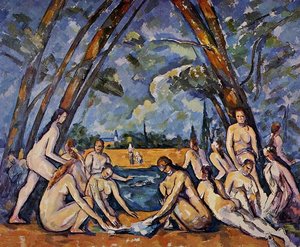
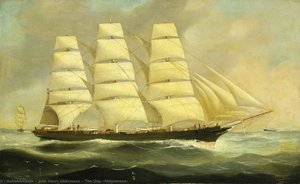
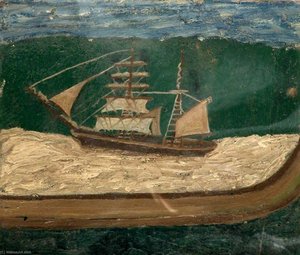
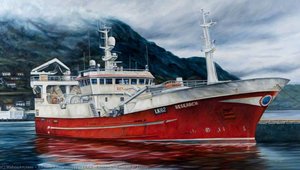
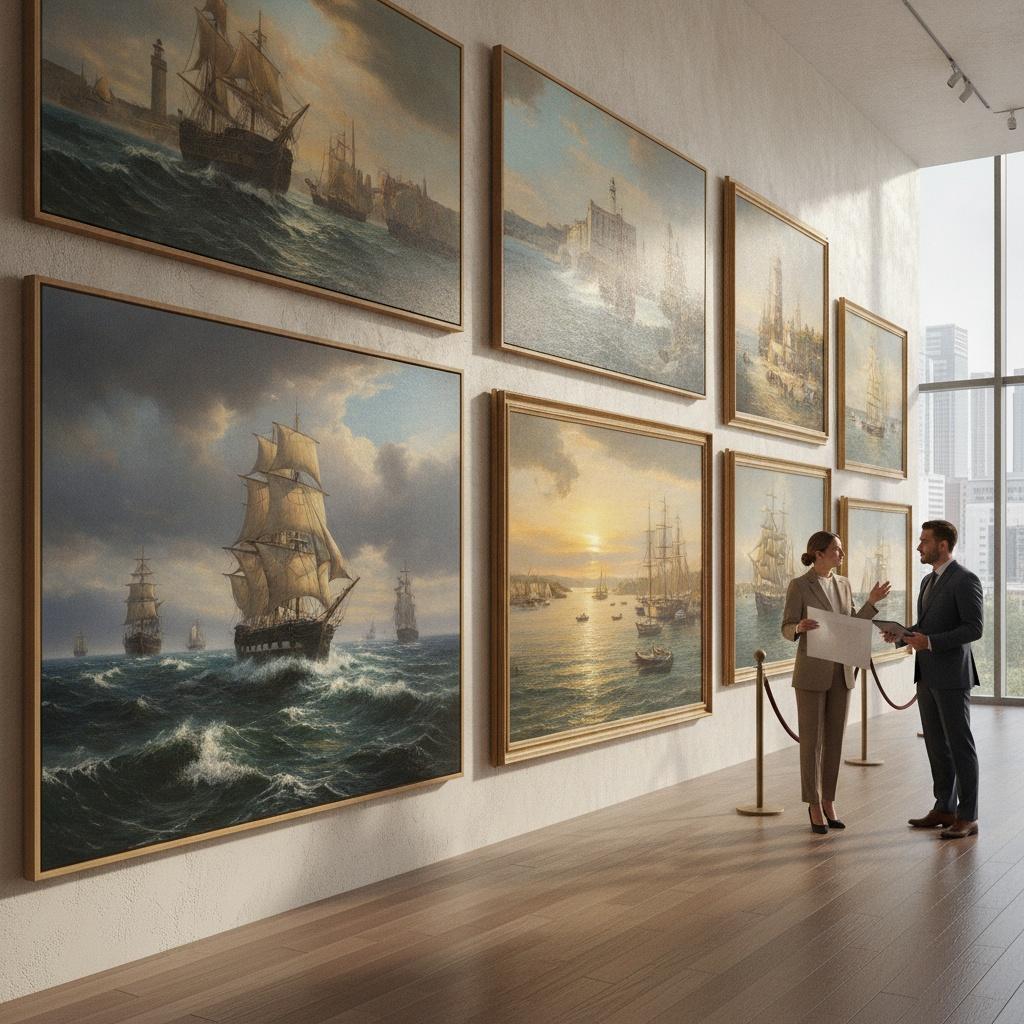
The infusion of maritime motifs into hospitality environments transcends mere decoration; it is a strategic tool for establishing a sense of place and emotional resonance. For the hotel designer, nautical oil paintings serve as anchors of atmosphere, capable of evoking the serene tranquility of a coastal retreat or the adventurous spirit of a grand voyage. When selecting works for large-scale commercial projects, one must consider how the rhythmic movement of waves and the interplay of light on water can soften the architectural lines of a lobby or provide a focal point in a luxury suite. The maritime genre, particularly through the lens of Impressionist seascapes, offers a sophisticated palette of blues, ochres, and seafoam greens that harmonize with diverse interior color schemes. By integrating these timeless subjects, designers can create immersive environments that speak to the traveler's desire for both escape and elegance, ensuring that the art does not merely occupy space but actively shapes the guest experience.
Scalability for Large-Scale Projects: Multi-Panel Layouts and Custom Dimensions
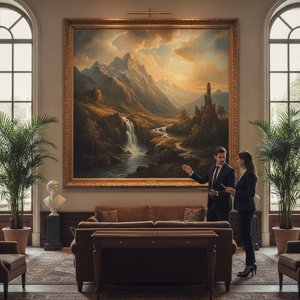
In the context of expansive hotel corridors, grand staircases, or vast restaurant walls, a single standard canvas often fails to command the necessary presence. This is where the architectural utility of multi-panel layouts becomes indispensable. The ability to split a singular maritime masterpiece across three, four, or even five panels allows for a seamless expansion of the visual narrative, creating a panoramic effect that guides the eye through a space. These multi-panel configurations are particularly effective in modern architectural settings, providing a contemporary, rhythmic aesthetic while maintaining the classical integrity of the original composition. Furthermore, the capacity for custom sizing ensures that every piece can be engineered to fit specific structural requirements, whether it be a long, horizontal expanse above a reception desk or a vertical statement piece in an elevator foyer. This scalability allows procurement managers to treat art as a modular component of the interior design, ensuring total coverage and visual cohesion across entire properties.
Procurement Efficiency: Bulk Ordering, Standardized Sizing, and Logistics Management
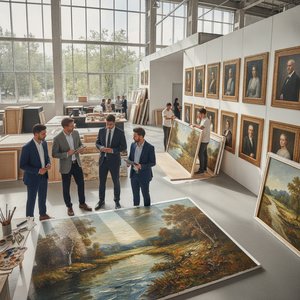
For the procurement professional, the primary challenges of furnishing large-scale projects are time pressure, budget predictability, and operational reliability. Efficient art sourcing requires a catalog depth that supports bulk acquisition without compromising on quality or consistency. A streamlined procurement flow—characterized by standardized sizes and clear, transparent pricing—is essential for managing high-volume orders across multiple hotel locations. The ability to place large re-orders with ease allows for brand consistency in hospitality chains, ensuring that the aesthetic standard remains uniform from one property to the next. Beyond the selection process, the logistics of international delivery demand a robust infrastructure. Reliable shipping via established carriers like DHL or FedEx, accompanied by comprehensive tracking and professional documentation such as VAT invoices and customs support, is non-negotiable. For the business buyer, trust is built through this operational excellence: the assurance that large shipments will arrive on schedule, intact, and ready for installation, allowing the project manager to focus on broader construction milestones.
Quality Assurance: The Durability and the Impact of Hand-Painted Oil Reproductions
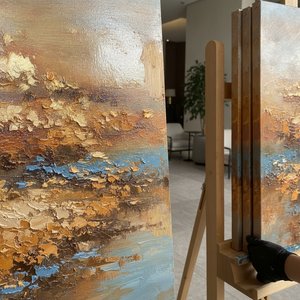
In high-traffic commercial environments, the longevity of art is as critical as its initial aesthetic impact. While digital prints may offer a quick solution, they lack the tactile depth and structural permanence of hand-painted oil reproductions. A true oil painting, executed on 10-layer cotton canvas with visible brushstrokes and impasto textures, possesses a physical presence that captures light and shadow in a way no print can replicate. This textural richness provides a sense of luxury and authenticity that is vital for premium hospitality brands. Furthermore, the technical composition of these works—utilizing flexible gesso to prevent cracking and specific oils like safflower to prevent yellowing—ensures that the artwork remains vibrant for decades. The application of a protective Damar varnish further shields the surface from the atmospheric pollutants and dust common in public spaces. For the designer, investing in hand-painted oils is an investment in durability, providing a lasting asset that withstands the rigors of commercial use while maintaining its museum-grade prestige.
Streamlined Implementation: From Digital Mockups to Global Delivery and Installation
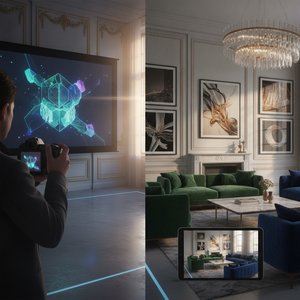
The final phase of any large-scale art installation is the reduction of uncertainty through precise visualization and coordinated delivery. The implementation process begins long before the brush touches canvas, often with professional digital mockup services that allow designers to see a proposed maritime composition digitally placed within their specific architectural context. This stage is crucial for verifying color matching and scale, allowing for unlimited revisions to ensure the artwork aligns perfectly with the interior design vision. Once the artwork is approved, the transition from studio to site must be seamless. A dedicated Project Coordinator serves as the single point of contact, managing the timeline from the initial painting phase through to final packaging in reinforced, industrial-grade materials. Whether the art arrives as rolled canvases for easy transport or fully framed pieces ready for immediate hanging, the goal is a frictionless integration into the project schedule. This end-to-end management ensures that the transition from procurement to installation is characterized by professional precision and total peace of mind.