The Alchemy of Pigment: Understanding the Chemistry of Oil, Acrylic, and Watercolor
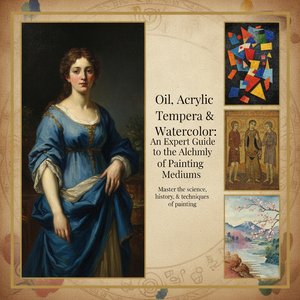 Oil, Acrylic, Tempera & Watercolor: An Expert Guide to the Alchemy of Painting Mediums
The Alchemy of Pigment: Understanding the Chemistry and Longevity of Oil Media The Chemistry of Permanence: Why Fine Art Survives the Test of Time The Alchemy of Pigment: The Molecular Foundation of Color Mastering the Brush: The Timeless Secrets of ...
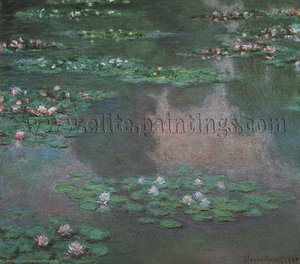
To truly grasp the essence of a masterpiece, one must look beyond the initial visual impact and peer into the very molecular foundation of color. Every stroke of a brush is, at its core, a profound chemical achievement. The history of art has often been a history of alchemy, where the pursuit of vibrant, stable hues required a meticulous search for minerals and earth elements. When we observe the deep, celestial blues in classical works, we are witnessing the legacy of lapis lazuly ground into ultramarine—a pigment once more precious than gold. This elemental soul of color relies on a delicate marriage between raw pigments and their respective binders. In oil painting, this involves the transformative power of drying oils like linseed or safflower, which create a durable, flexible matrix that allows light to dance within the paint layers. Conversely, acrylics represent a modern revolution, utilizing synthetic polymers that offer a different kind of molecular stability. Even watercolor, with its ethereal nature, relies on the precise interaction of water-soluble binders and pigment particles. Understanding this chemistry is not merely an academic exercise; it is the key to understanding why certain colors remain luminous for centuries while others fade into obscurity.
Texture & Tactility: Exploring Impasto, Glazing, and Translucency
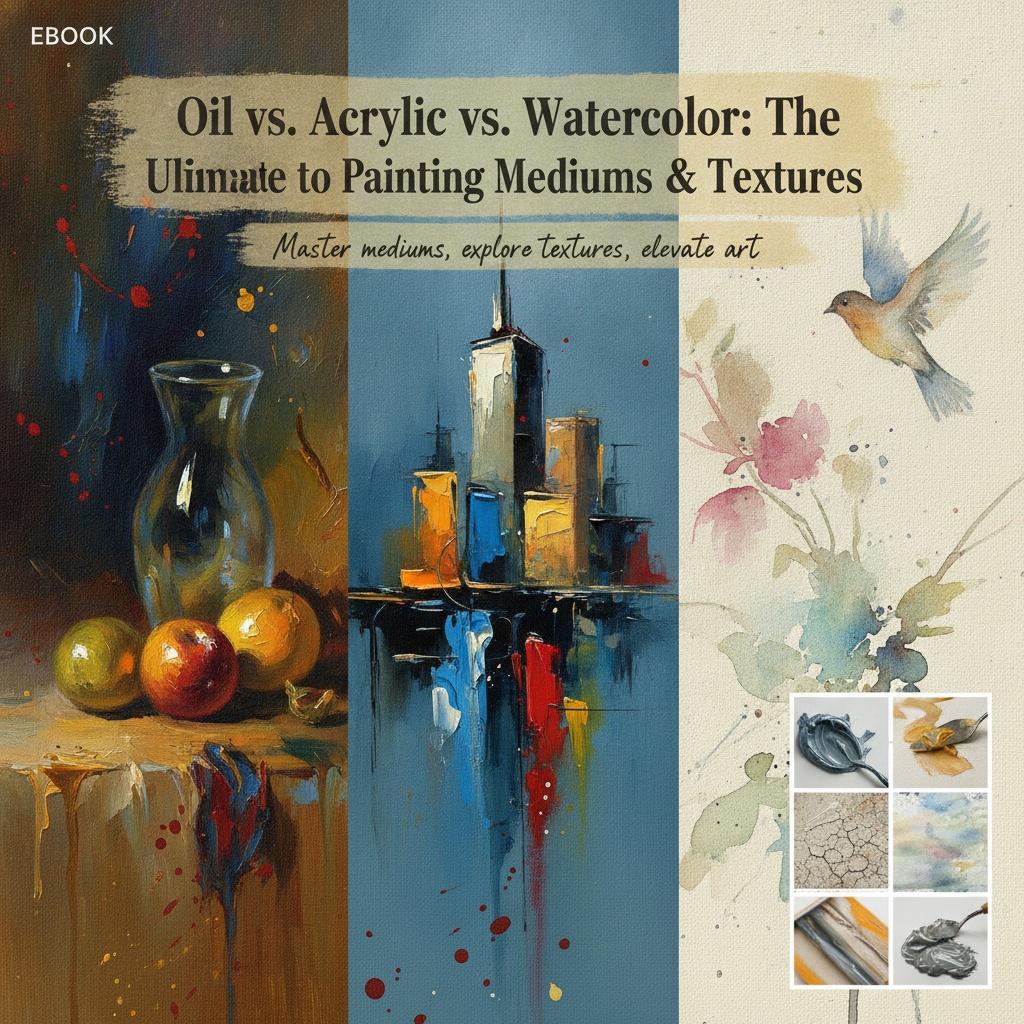
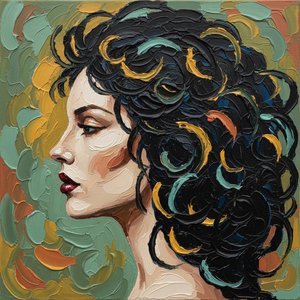
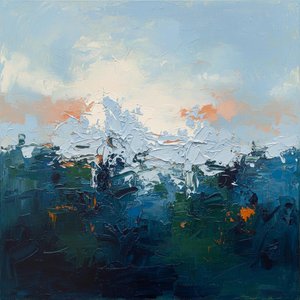
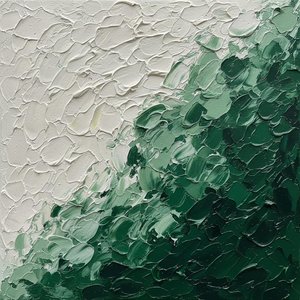
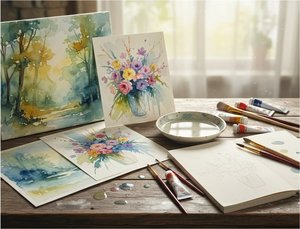
The tactile soul of a painting resides in its texture, the physical topography that invites the eye to wander across the canvas. The choice of medium dictates the artist's ability to manipulate this surface. Oil painting remains the undisputed monarch of depth and dimension, particularly through the technique of glazing. By meticulously layering translucent glazes over a prepared surface, masters like Jan van Eyck achieved an unprecedented luminosity, where light penetrates multiple layers before reflecting back to the viewer. This creates a multidimensional effect that is nearly impossible to replicate with flatter mediums. On the opposite end of the spectrum lies the bold, energetic world of impasto. Here, the buttery, viscous nature of oils allows for thick, sculptural applications of paint, where every brushstroke leaves a visible, physical record of the artist's movement. Acrylics, while possessing a different flexibility, can also achieve significant texture, though they often lean toward a more rapid-set, graphic impact. Meanwhile, watercolor offers a completely different sensory experience, defined by translucency and the fluid, unpredictable movement of water on paper. In watercolor, texture is not found in the height of the paint, but in the delicate washes and granulating pigments that create a sense of atmospheric depth and light-drenched softness.
The Science of Permanence: Evaluating Longevity and Environmental Resistance
 Preserving Masterpieces: The Definitive Guide to the Conservation and Handling of Fine Art
The Science of Permanence: Understanding Pigments, Binders, and Material Integrity The Chemistry of Permanence: Why Fine Art Survives the Test of Time The Alchemy of Pigment: The Molecular Foundation of Color Mastering the Brush: The Timeless Secrets...
For the serious student and collector alike, the concept of permanence is paramount. The longevity of an artwork is a testament to the structural integrity of its paint film and the stability of its chemical components. This science of permanence involves understanding how pigments interact with binders to resist degradation from environmental shifts. Oil paintings, while celebrated for their enduring brilliance, face unique challenges such as yellowing or cracking if the chemistry of the oils is not carefully managed. Professional conservators often utilize advanced tools like X-ray fluorescence and Raman spectroscopy to analyze these very components, ensuring that modern interventions respect the original chemical architecture. Acrylics, by contrast, offer remarkable resistance to many environmental factors due to their synthetic nature, though they present different considerations regarding flexibility and long-scale aging. Watercolor, being highly sensitive to moisture and light, requires a much more controlled environment to prevent the fading of its delicate washes. The true mastery of the painter lies in ensuring that their vision does not merely exist for a lifetime but survives the test of time through a profound understanding of material integrity.
Mastering the Brush: Technical Workflows and Drying Time Dynamics
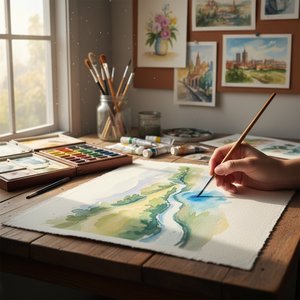
The rhythm of the creative process is dictated by the drying dynamics of the chosen medium. This temporal element profoundly influences an artist's technical workflow and their ability to blend, layer, or sculpt. Oil painting is a discipline of patience; its slow-drying nature allows for extended manipulation, enabling the artist to blend colors seamlessly on the canvas for days or even weeks. This "open time" is what permits the creation of soft transitions and complex tonal gradations. However, it also requires a disciplined approach to layering, often following the rule of "fat over lean" to prevent structural failure. Acrylics offer a starkly different tempo, characterized by a rapid-set nature that favors quick, decisive strokes and efficient layering. While this allows for much faster completion of works, it demands a high level of technical agility to manage transitions before the paint dries. Watercolor operates on an entirely different timeline, where the artist must work in harmony with the evaporation of water, managing "wet-on-wet" and "wet-on-dry" techniques to control the flow of pigment. Mastering these varying speeds is essential for any artist seeking to translate their creative intent into a finished, professional reality.
Preservation & Care: Protecting Your Investment from Light and Moisture
 pablo garcía lumbreras
Pablo García Lumbreras: Bridging Science and Artistic Preservation Pablo García Lumbreras stands at the intersection of scientific rigor and artistic passion—a rare convergence that defines his remarkable career as a conservation expert and researche...
Once a masterpiece has been brought to life, the focus shifts from creation to preservation. Whether dealing with a contemporary acrylic piece or a meticulously reconstructed oil reproduction, protecting the artwork from environmental pollutants is vital for ensuring its vibrancy for generations. The primary enemies of fine art are direct sunlight, which can cause irreversible pigment degradation, and fluctuations in humidity, which can lead to moisture-induced damage or warping of the support. To protect an investment, it is crucial to use acid-free matting to create a necessary air gap between the artwork and the glass, preventing moisture entrapment. Furthermore, finishing the surface with a protective coat, such as a Damar varnish, serves as a shield against dust, moisture, and atmospheric pollutants. For those working with prints or giclées, archival 12-color inks provide a high rating of longevity, yet they still require careful placement away from harsh light. By understanding these fundamental principles of care, artists and collectors can ensure that the physical beauty and chemical stability of their collections remain uncompromised by the passage of time.
The Future of Artistry: Where Tradition Meets Innovation
As we move further into a digital age, the boundaries between traditional techniques and modern technology continue to expand. We are witnessing an era where the ancient alchemy of pigments meets the precision of AI-driven reconstruction. This intersection allows for incredible possibilities, such as transforming a personal photograph into a Cubist or Impressionist masterpiece through digital tools, which can then be commissioned as a hand-painted oil on canvas. The essence of the art remains in the human touch—the visible brushstrokes and the depth of a real paint layer—but the tools of inspiration are more diverse than ever before. Platforms like ArtsDot.com stand at this very frontier, bridging the gap between historical mastery and contemporary accessibility. By providing a global stage for master artists to create authentic, hand-painted reproductions, we ensure that the profound chemical and aesthetic achievements of the past continue to inspire and decorate the modern world. Whether through custom commissions that "remix" history or large-scale architectural murals that recreate the grandeur of the Renaissance, the mission remains the same: to preserve human creativity and make the sublime accessible to everyone, everywhere.