The Death of Flat Art: Why 3D is Dominating Modern Interiors
 Bold Expressions: The Art of Transforming Luxury Interiors with High-Impact Masterpieces
The Power of Presence: Selecting Statement Pieces for Grand Interiors In the realm of high-end interior design, a room is never truly complete until it possesses a soul. For the discerning collector, art is not merely an accessory to be hung upon a w...
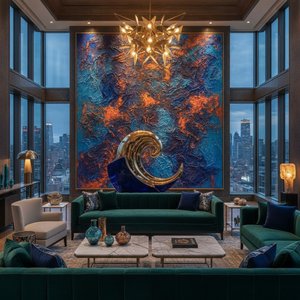
For decades, the art world operated on a two-dimensional plane, where the boundary of creativity was defined by the edge of a frame. But the era of the static, flat image is undergoing a radical transformation. We are witnessing a seismic shift in how we perceive space and presence within our homes. The modern collector—the urban professional who values visual punch over dusty art history—is no longer satisfied with mere prints that sit passively on a wall. There is a growing hunger for gravitas, for pieces that possess an inherent weight and a silent authority that commands the room.
This movement toward the third dimension is not just about adding depth; it is about breaking the fourth wall of interior design. When we move beyond the canvas, art ceases to be an accessory and becomes the very heartbeat of the architectural space. The transition from the ephemeral glow of a digital screen to the tactile permanence of a sculpture represents a return to the physical. In an age characterized by rapid digital obsolescence, 3D art offers a sense of permanence and impact that a flat print simply cannot replicate. It is about creating a focal point that does not just occupy space but actively shapes it.
Material Revolution: From Vinyl Records to Liquid Metal
 Forest Green 3D Vinyl Record Wall Sculpture
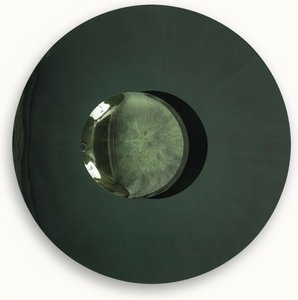
A Retro Resonance: The Abstract Round 3D Wall Sculpture This striking wall sculpture reimagines a classic form – the vinyl record – as a captivating piece of modern abstract art. Crafted by hand using mixed media including PVC plastic, cardboard, and...
The boundaries of what constitutes "fine art" are being obliterated by a fearless exploration of new media. We are seeing a fascinating convergence where pop culture relics meet high-end abstraction. Consider the way a classic, retro form like the vinyl record can be reimagined through mixed media—PVC, cardboard, and paperboard—to create a 3D wall sculpture that evokes mid-century nostalgia while maintaining a cutting-edge, crystalline structure. This is the essence of the modern movement: taking the familiar and injecting it with unexpected texture and glossy, deep hues like forest green or striking silver.
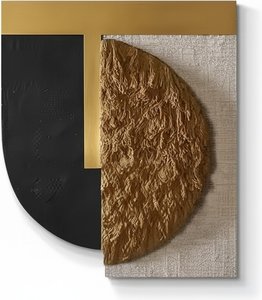
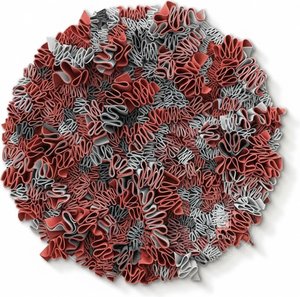
The palette of materials has expanded far beyond traditional bronze and marble. Today’s trend forecast points toward a dynamic interplay of synthetic and organic elements. We see abstract compositions utilizing stylized, pasta-form shapes in coral and silver, creating a randomized depth that invites the eye to wander through layers of light and shadow. Whether it is the sleek, sophisticated elegance of metalwork or the rugged, impasto-like textures found in contemporary 3D wood reliefs, the material choice is now a deliberate tool for emotional resonance. This revolution allows for a much more versatile integration into diverse settings, from minimalist lofts to eclectic, design-conscious urban apartments.
Architects of Illusion: The New Wave of Sculptural Photography
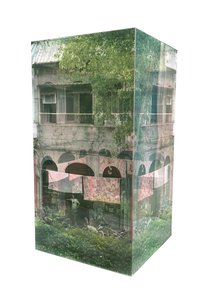 koh, myung keun
The Architect of Illusion: Myungkeun Koh and the Sculptural Photograph Born in Pyeongtaek, South Korea, in 1964, Myungkeun Koh emerged as a distinctive voice in contemporary art by challenging the very boundaries of photography. He isn’t simply a pho...
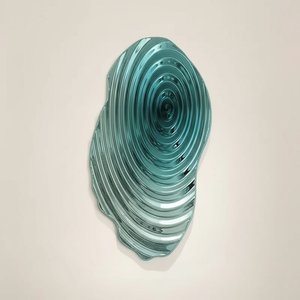
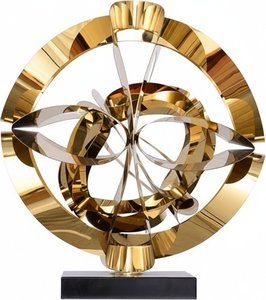
Perhaps one of the most mind-bending developments in the contemporary scene is the blurring of lines between photography and sculpture. We are no longer limited to capturing a fleeting moment of light; we are now entering the era of the architect of illusion. Artists like Myungkeun Koh are redefining the medium by transforming two-dimensional images into captivating, three-dimensional structures. By layering photographic elements onto transparent materials like plexiglass and hand-welding them into complex, fluid forms, these creators build works that seem to hover between presence and absence.
This technique challenges our very perception of reality. It is a sculptural process that eschews gravity, creating ethereal networks of surfaces that invite the viewer to question what is tangible and what is spectral. This intersection of photography, sculpture, and architecture creates a sense of depth that moves beyond the surface level. For the collector, this represents a new frontier of visual impact—art that does not just depict a scene but constructs an entire environment, inviting a meditative exploration of space and shadow.
Texture & Depth: How 3D Elements Redefine Visual Impact
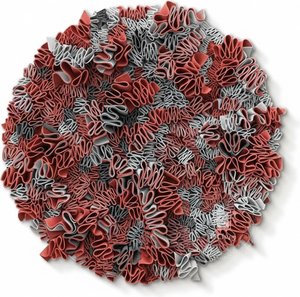 Coral & Silver 3D Pasta-Form Wall Sculpture
A Sculptural Statement in Coral & Silver This captivating modern wall art introduces a dynamic interplay of form and color into any interior. Constructed from meticulously arranged individual elements resembling stylized pasta shapes – fusilli or rot...
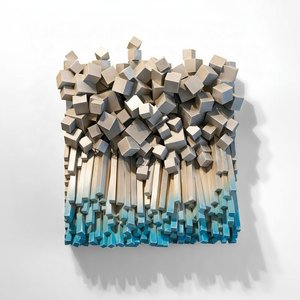
The true power of 3D art lies in its ability to manipulate light. In a flat painting, light is represented; in a sculpture, light is an active participant. The interplay of shadows within the recesses of a textured wall relief or the way a glossy finish catches a stray beam of sunlight creates a dynamic experience that changes throughout the day. This tactile depth is what separates high-impact masterpieces from mere decoration. It provides a sensory richness that engages the viewer on a much more profound level, offering a captivating experience that evolves with the environment.
This focus on texture—whether it be the swirling patterns of modern impressionist wood sculptures or the intricate, layered surfaces of paper art—allows for a more immersive dialogue between the artwork and the observer. The depth achieved through deliberate randomization of tones and shapes creates a visual anchor in any grand salon or gallery setting. When we select pieces with significant physical presence, we are choosing to invest in narrative power. We are selecting works that possess the ability to dictate the rhythm of the surrounding environment, ensuring that the art is never just seen, but felt.
Future-Proofing Your Space: Integrating Sculpture into Urban Design
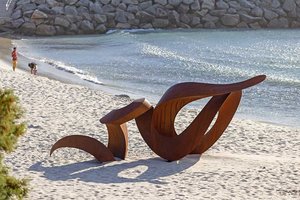 Sculpture by the Sea - Cottesloe
A Coastal Canvas: The Living Art of Cottesloe To wander along the sun-drenched shoreline of Cottesleoe Beach is to step into a realm where the boundaries between human creativity and the raw, untamed beauty of the Australian coastline dissolve. Sculp...
As we look toward the future of interior curation, the integration of 3D elements will only become more seamless and essential. The trend is moving toward a holistic approach where the boundaries between human creativity and the built environment dissolve. We see this in large-scale installations that interact with coastal landscapes or urban architecture, stripping away the intimidating corridors of traditional galleries to place monumental forms directly into our lived experiences.
For the modern professional, the goal is to curate a space that feels both curated and alive. This involves selecting pieces that serve as timeless heirlooms—objects that possess the gravitas to endure for generations. Whether through custom-commissioned marble busts that transform personal history into neoclassical grandeur or abstract wall reliefs that provide a sophisticated focal point, the future of art lies in its ability to be felt. By embracing the high-impact world of 3D and sculpture, we are not just decorating walls; we are sculpting our legacies.
At ArtsDot.com, we specialize in bringing this level of impact to your collection. From the breathtaking texture of hand-painted oil reproductions to the cutting-edge possibilities of AI-driven stylistic transformations, we provide the tools to turn any vision into a high-impact reality. Whether you are looking for a bold statement piece or a custom commission that breathes life into your most cherished memories, our mission is to make extraordinary art accessible to every modern collector.