



The Essence of Bronze: Understanding the Materiality and Permanence of Metal Art
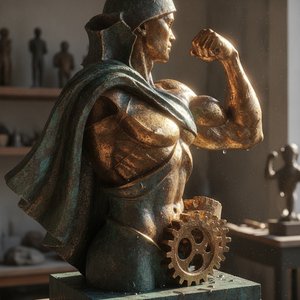
To hold a bronze sculpture is to touch the very pulse of history. Unlike the ephemeral nature of paper or the delicate fragility of certain ceramics, bronze possesses an inherent gravitas that commands any space it inhabits. This alloy, primarily composed of copper, offers a unique duality: it is both incredibly resilient and remarkably expressive. For the discerning collector, the allure of bronze lies in its ability to capture the most fleeting of human emotions—the tension in a dancer’s limb or the quiet sorrow of a bowed head—and freeze them in a medium that defies the erosion of time.
The strength of metal art is not merely physical but symbolic. Throughout the ages, bronze has been the chosen medium for monuments intended to outlast empires. This permanence creates a profound connection between the artwork and the collector, establishing a legacy that transcends generations. When one acquires a bronze piece, they are not simply purchasing decor; they and their descendants are becoming stewards of a material that remains steadfast against the elements, embodying a sense of eternal presence that few other mediums can replicate.
The Alchemy of Patina: How Surface Chemistry Defines Character and Depth
While the structural integrity of bronze provides its strength, it is the patina that provides its soul. The surface of a bronze sculpture is rarely a static, monochromatic plane; rather, it is a living canvas shaped by intentional chemical artistry. Patination is an alchemical process where various metal salts and acids are applied to the heated surface of the sculpture, triggering controlled oxidation. This technique allows the artist to manipulate color, texture, and light, transforming a raw metallic object into a nuanced masterpiece.
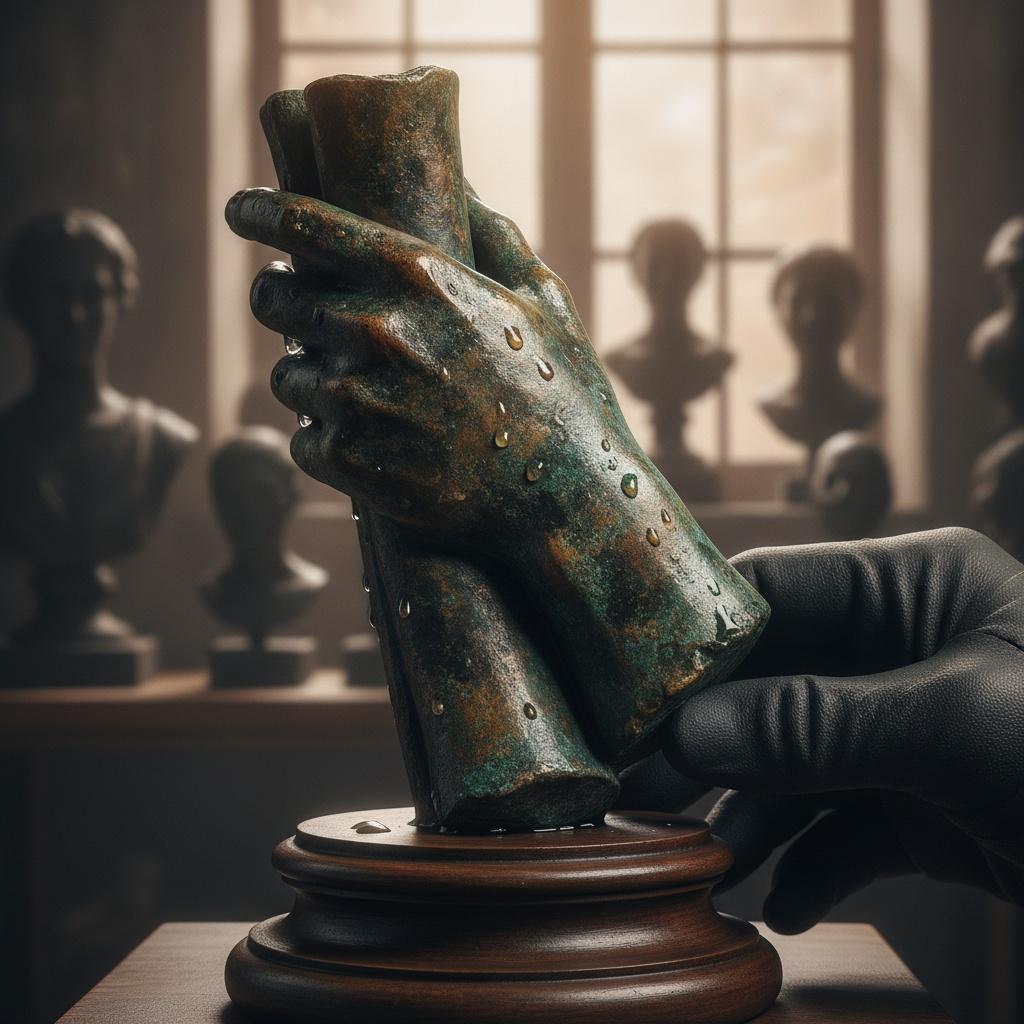
A masterfully applied patina can evoke a multitude of moods. A deep, chocolatey brown might suggest the warmth of classical antiquity, while a verdant, malachite green can mimic the weathered dignity of an ancient relic reclaimed by nature. Some collectors seek out subtle, multi-tonal patinas that catch the light with iridescent hints of gold or blue, adding a layer of complexity that changes as the viewer moves around the piece. This interplay between metal and chemistry ensures that no two sculptures are ever truly identical, granting each work a unique chromatic fingerprint.
Lost-Wax Casting: The Intricate Journey from Wax Model to Finished Masterpiece
The creation of a fine bronze sculpture is an arduous, multi-stage odyssey known as the lost-wax casting process, or cire perdue. This method, perfected by ancient civilizations, remains the gold standard for achieving exceptional anatomical detail and fluid lines. The journey begins with the artist’s original model, often sculpted in clay or wax. From this, a master mold is created to capture every minute fingerprint and subtle texture of the artist's hand.
Once the mold is prepared, a hollow wax replica is produced. This wax version is then encased in a heat-resistant ceramic material. As the assembly is subjected to intense heat, the original wax melts away—literally "lost"—leaving behind a precise negative cavity. Molten bronze, heated to temperatures exceeding 2,000 degrees Fahrenheit, is poured into this void. Upon cooling, the ceramic shell is painstakingly broken away to reveal the metalwork within. This rigorous process ensures that the final bronze is a faithful, high-fidelity incarnation of the artist's initial vision, preserving the dynamic movement and grace intended in the original model.
Curating Strength: Integrating Bronze Sculptures into Sophisticated Interiors
Integrating bronze into a curated collection requires an eye for balance and architectural harmony. Because of its visual weight, a bronze sculpture acts as a powerful anchor within a room. In a minimalist setting, a single, striking bronze figure can serve as the definitive focal point, drawing the eye through its stark silhouette and rich texture. Conversely, in more ornate or classical interiors, bronze pieces can complement existing architectural details, such as gilded frames or dark wood paneling, creating a cohesive narrative of opulence and tradition.
Placement is essential to maximizing the sculpture's impact. Lighting plays a critical role; directional light can accentuate the ridges of a patina and cast dramatic shadows that enhance the three-dimensional depth of the work. Collectors often utilize pedestals or plinths to elevate smaller works, allowing them to interact with the viewer at eye level. Whether placed as a solitary statement piece on a mantle or arranged in a thoughtful grouping on a library table, bronze brings a sense of structural permanence that completes the aesthetic landscape of a sophisticated home.
Investment and Longevity: Preserving the Integrity of Metalwork for Generations
For the serious collector, the acquisition of bronze is an investment in both culture and capital. The inherent durability of the medium makes it a low-maintenance yet high-value asset, provided certain preservation principles are observed. While bronze is remarkably resistant to decay, protecting the delicate patina from excessive moisture or abrasive cleaning agents is paramount. Maintaining a stable environment—free from extreme temperature fluctuations and direct, harsh sunlight—ensures that the chemical beauty of the surface remains vibrant for decades.
True stewardship involves understanding the chemistry of the art. Periodically inspecting the work for any signs of unintended oxidation can allow for professional intervention before any damage becomes permanent. When handled with respect, a bronze sculpture does not merely endure; it matures. Much like a fine wine or a vintage oil painting, the character of a well-preserved bronze can deepen over time, making it a timeless heirloom that continues to offer profound aesthetic value to the collector and their heirs long into the future.
At ArtsDot.com, we celebrate the intersection of historical mastery and contemporary passion. Whether you are seeking to commission a custom bronze work that captures a moment of movement or looking to acquire a piece that embodies classical elegance, our expertise is at your service. We invite you to explore our curated collections and professional consultation services to find the perfect metal masterpiece for your collection.