



The Art of Place: Commissioning Artwork That Tells Your Restaurant's Story
Placemaking is a multi-faceted approach to the planning, design and management of public spaces. Placemaking capitalizes on a local community's assets, inspiration, and potential, with the intention of creating public spaces that improve urban vitali...
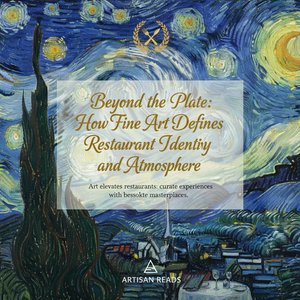
For centuries, the spaces we gather to nourish ourselves have been more than mere functional rooms; they are canvases upon which culture, identity, and aspiration are painted. In a world increasingly defined by global standardization, the desire for authenticity—for a sense of *place*—has become paramount. Restaurants, uniquely positioned as hubs of community life, find themselves at the forefront of this quest. But how does one cultivate such a feeling? The answer, often overlooked in favor of menu innovation and service excellence, lies in the power of commissioned art. It’s not simply about adorning walls; it's about weaving a narrative that resonates with local history, celebrates regional talent, and transforms the dining experience into something truly memorable.
Consider the grand cafés of Vienna, their interiors steeped in symbolism reflecting the Habsburg empire and the burgeoning artistic movements of the era. Or the taverns of Renaissance Italy, adorned with frescoes depicting mythological scenes that subtly reinforced societal values. These were not accidental choices; they were deliberate acts of branding—statements about who these establishments were and what they represented. Today’s discerning diner seeks a similar depth of connection. They crave experiences that feel genuine, rooted in something larger than themselves. Commissioning artwork allows restaurants to actively shape this perception, moving beyond generic décor towards a curated environment that speaks volumes.
Beyond Décor: How Local Artists Become Brand Ambassadors & Community Connectors
 Touchstones Rochdale Arts And Heritage Centre
Explore Touchstones Rochdale: a UK art & heritage centre showcasing local history, fascinating Egyptology collections, and family-friendly exhibits. Currently undergoing exciting redevelopment!🏛️
The act of commissioning art is inherently collaborative—a dialogue between the restaurant owner’s vision and the artist’s unique perspective. This partnership extends far beyond the financial transaction; it's about fostering a relationship that benefits both parties and, crucially, strengthens ties with the local community. Selecting a local artist isn’t merely a matter of convenience or cost-effectiveness; it’s an investment in the region’s creative ecosystem. It provides emerging talent with invaluable exposure, offering them a platform to showcase their work and connect with a wider audience.
Think of the restaurant as a miniature gallery—a space where patrons can discover new artists and appreciate local craftsmanship. This creates a unique value proposition that sets the establishment apart from its competitors. Furthermore, the artist themselves becomes a brand ambassador, sharing their story and promoting the restaurant within their network. Hosting artist talks, workshops, or even small exhibitions further solidifies this connection, transforming the dining space into a vibrant cultural hub. The Touchstones Rochdale museum exemplifies how local history can be showcased; restaurants can mirror this by actively celebrating regional artists.
Investing in Heritage: The Economic Ripple Effect of Supporting Regional Arts
In microeconomics, economies of scale are the cost advantages that enterprises obtain due to their scale of operation, and are typically measured by the amount of output produced per unit of cost (production cost). A decrease in cost per unit of outp...
The benefits of supporting local art extend far beyond aesthetics and community engagement—they have a tangible economic impact. While economies of scale, as traditionally understood, may not directly apply to commissioned artwork, the ripple effect within the regional artistic ecosystem is significant. By providing artists with income and exposure, restaurants enable them to invest in their craft, potentially expand their operations, and contribute to the local economy. This creates a virtuous cycle of growth—attracting other creatives, fostering innovation, and enhancing the region’s overall cultural vibrancy.
Consider the example of a restaurant commissioning a series of murals depicting scenes from local history. Not only does this enhance the establishment's aesthetic appeal, but it also generates demand for art supplies, framing services, and potentially even restoration work in the future. Furthermore, highlighting the artists involved—showcasing their biographies and promoting their other works—can drive traffic to their studios and galleries, further stimulating the local economy. This is not simply an expenditure; it’s a strategic investment in the community's long-term prosperity.
Curating the Experience: Aligning Art with Ambiance, Target Audience & Menu Identity
Strategic art curation isn’t about randomly selecting pieces that look visually appealing; it’s about creating a cohesive experience that aligns with the restaurant’s overall aesthetic, target audience, and menu identity. Consider the establishment's ambiance—is it rustic and traditional, modern and minimalist, or eclectic and bohemian? The artwork should complement this style, enhancing the atmosphere and creating an immersive environment.
Furthermore, consider the target audience—what are their interests, values, and sensibilities? A seafood restaurant might commission marine-themed paintings by local artists, while a farm-to-table establishment could showcase artwork depicting rural landscapes and agricultural scenes. The key is to understand your patrons and select pieces that resonate with their preferences. Even the menu itself can inform art selection—a wine bar might feature portraits of viticulturists or still lifes depicting grapes and vineyards. This holistic approach creates a sense of harmony and reinforces the restaurant’s brand identity.
From Gallery Walls to Dining Rooms: Strategic Partnerships for a Dynamic Aesthetic
Just as fashion houses collaborate with artists to create limited-edition collections, restaurants can forge similar partnerships with local art galleries to showcase their work on a rotating basis. This provides the gallery with exposure to a wider audience while simultaneously enriching the restaurant’s cultural identity and keeping the dining experience fresh and engaging. The partnership can extend beyond simply displaying artwork—hosting gallery openings, artist talks, or even offering discounts to gallery patrons further solidifies this connection.
This dynamic approach allows restaurants to constantly refresh their aesthetic, avoiding stagnation and appealing to a broader range of tastes. It also demonstrates a commitment to supporting the local art scene, fostering goodwill and attracting discerning patrons who appreciate cultural innovation. By embracing collaboration and actively engaging with the artistic community, restaurants can transform themselves into vibrant hubs—spaces where culinary excellence meets creative expression.