The Essence of Baroque: An Era of Theatricality and Emotion
To step into the world of the Baroque is to abandon the serene, balanced equilibrium of the Renaissance and embrace a period defined by movement, tension, and profound psychological depth. Emerging in the late 16th century, the Baroque era was not merely a stylistic shift but a sensory revolution. It sought to bridge the gap between the divine and the human, using art as a visceral medium to stir the soul of the viewer. Unlike the static perfection of preceding eras, Baroque compositions are characterized by an inherent sense of instability and drama, pulling the observer into the very heart of the narrative.
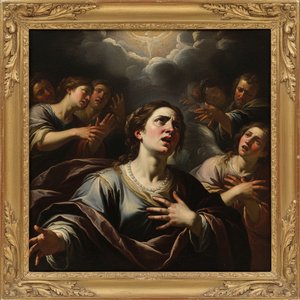
This period was marked by an unprecedented scale of ambition, where every brushstroke served a greater purpose: to evoke awe, piety, or even terror. The art of this age does not ask for quiet contemplation; it demands an emotional response. Through sweeping diagonals, swirling drapery, and figures caught in moments of intense spiritual or physical struggle, the Baroque masters transformed the canvas into a stage. It is within this theatricality that we find the true heartbeat of the era—a relentless pursuit of capturing the fleeting, the monumental, and the deeply human.
Chiaroscuro and Tenebrism: Mastering the Language of Light and Shadow
At the very core of Baroque's emotional potency lies its most celebrated technical innovation: the manipulation of light. The mastery of chiaroscuro—the subtle gradation between light and dark—allowed artists to sculpt figures out of the void, giving them a three-dimensional presence that feels almost tangible. However, the Baroque era pushed this concept to its dramatic extreme through tenebrism. In tenebristic works, the darkness is not merely a background but an active, encroaching force, a profound shadow that swallows much of the composition, leaving only the most critical elements illuminated by a harsh, directional light.
This interplay of light and shadow serves as a powerful symbolic language. The sudden burst of brilliance against an abyssal blackness often represents divine intervention, sudden revelation, or the fragility of life amidst the unknown. By stripping away unnecessary detail and focusing the viewer's gaze through high-contrast lighting, artists could direct the emotional flow of a painting with surgical precision. This technique creates a sense of intimacy and urgency, as if we are witnessing a private, sacred moment caught in a single, breathless flash of light.
Caravaggio and the Revolution of Realism: From Sacred to Profane
No figure looms larger over the Baroque landscape than Michelangelo Merisi da Caravaggio. A rebel of the highest order, Caravaggio revolutionized painting by rejecting the idealized, often sanitized depictions of religious figures in favor of a gritty, uncompromising realism. He brought the saints and martyrs down from their celestial pedestors and placed them in the dusty, blood-stained streets of Rome. In his hands, the divine was found in the weathered skin of a laborer, the dirt beneath a fingernail, and the raw, unvarnished expression of grief.
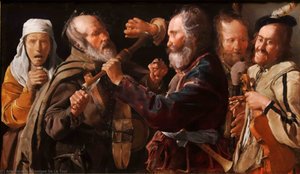
His works, such as the evocative Musicians or his various untitled masterpieces, utilize intense chiaroscuro to heighten the sense of drama. Caravaggio’s revolutionary style did more than just change aesthetics; it changed the way humanity perceived the sacred. By infusing biblical narratives with contemporary realism and profound psychological tension, he paved the way for future masters like Rubens and Rembrandt. His legacy is one of truth—a belief that the most profound spiritual truths are often found within the most humble and visceral human experiences.
The Intimacy of Candlelight: Georges de La Tour and the Quiet Baroque
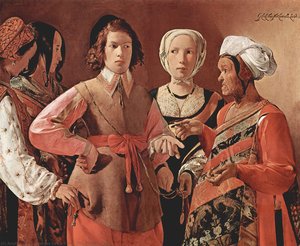
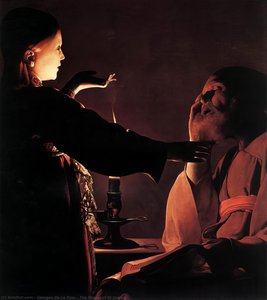
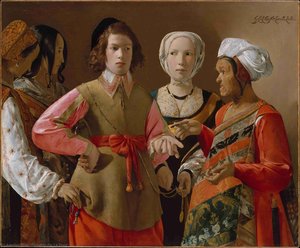
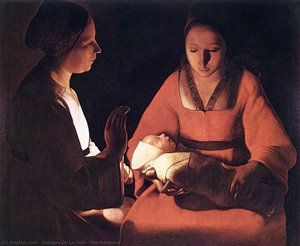
While Caravaggio mastered the drama of the spotlight, the French master Georges de La Tour explored a different, more meditative facet of the Baroque. His work represents the "quiet" side of the era, where the theatricality is not found in grand gestures but in the soft, flickering glow of a single candle. In his celebrated candlelit interiors, the shadows are not aggressive or terrifying; instead, they wrap around the subjects like a warm, contemplative shroud.
Architectural Grandeur and the Legacy of the Dutch Golden Age Masters
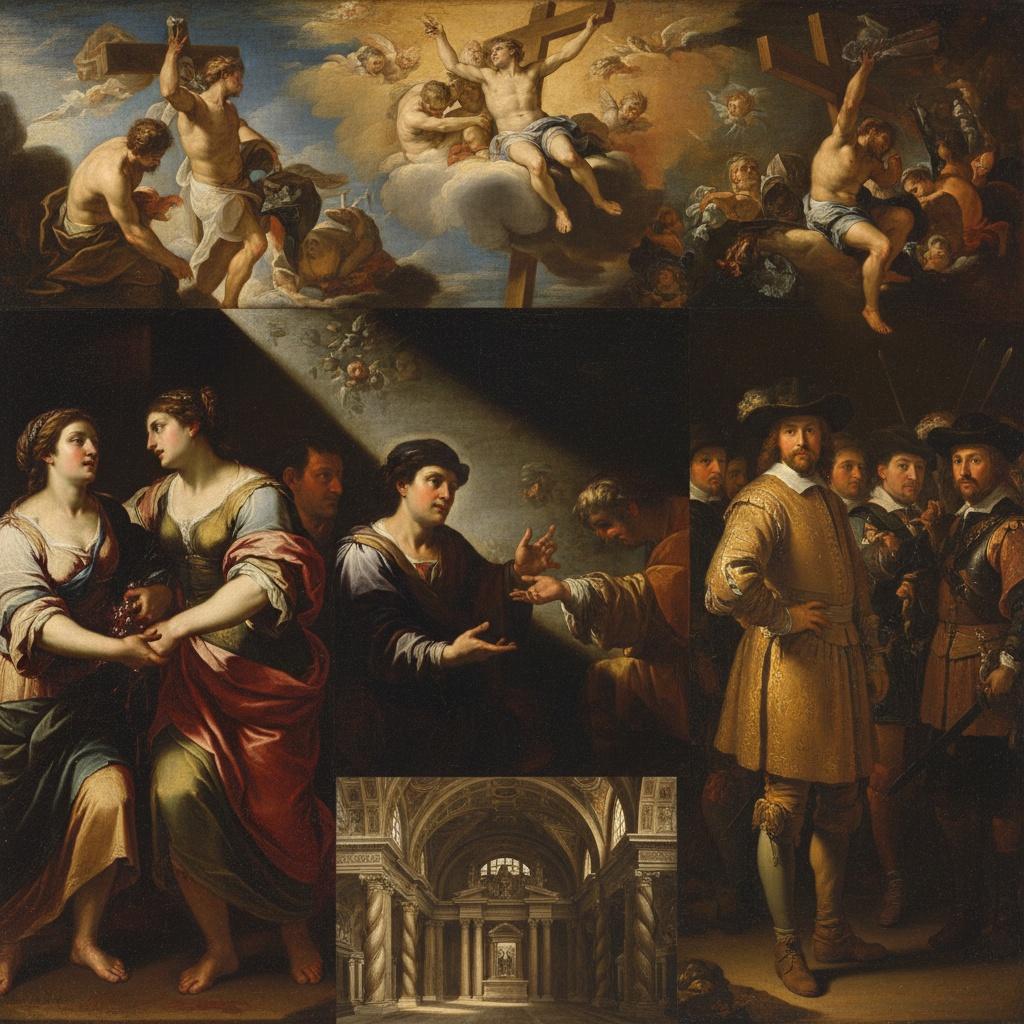
As the Baroque movement spread across Europe, it adapted to the unique cultural landscapes of different nations, most notably during the Dutch Golden Age. Here, the drama shifted from the grand religious altarpieces of Italy to the opulent domesticity and maritime triumphs of the Netherlands. Artists like Rembrandt van Rijn took the lessons of chiaroscuro and applied them to portraiture and landscape, creating works that possessed an unparalleled psychological depth and textural richness.
The Dutch Baroque is characterized by a fascination with light as it interacts with the physical world—the way it glints off a silver goblet, settles upon a silk sleeve, or diffuses through a misty morning sky. This era brought a sense of monumental importance to the everyday, elevating the merchant class and the natural landscape to the status of high art. The legacy of these masters remains a cornerstone of Western art, proving that the power of light can transform even the most mundane subject into something eternal.
Bringing the Baroque Home: Curating Dramatic Masterpieces for Modern Interiors
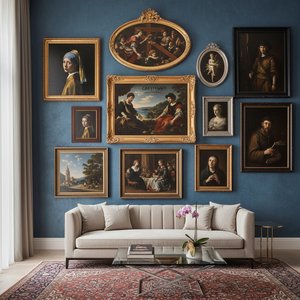
In the contemporary era, the allure of the Baroque remains undiminished. For the modern collector, integrating these dramatic elements into a home offers an opportunity to create spaces of profound character and intellectual depth. A single, well-placed reproduction of a Caravaggio or a soft, candlelit piece reminiscent of La Tour can serve as a powerful focal point, anchoring a room with its historical weight and emotional resonance.
Curating such a collection requires an eye for balance. The intensity of Baroque light works beautifully when contrasted with the clean lines of modern architecture or the muted tones of minimalist decor. Whether through large-scale oil reproductions that command attention or smaller, intimate prints that invite close study, the Baroque style allows for a sophisticated layering of history and emotion within the modern living space. It is an invitation to live amongst the shadows and the light, surrounded by the enduring beauty of human drama.
ArtsDot.com is dedicated to preserving this magnificent legacy. Since 2004, we have specialized in bringing the Old Masters to a global audience through exquisite, hand-painted oil reproductions and museum-quality Giclée prints. Our artists, trained in the finest academic traditions, meticulously recreate the textures, brushstrokes, and dramatic lighting that define the Baroque era. From custom commissions that transform your personal memories into historical masterpieces to professional consultations for interior designers, ArtsDot ensures that the profound beauty of art history remains accessible, vibrant, and a living part of your world.