
The Rejection of Convention: Hundertwasser’s Early Influences & Artistic Rebellion
Friedrich Stowasser, who would become globally recognized as Friedensreich Regentag Dunkelbunt Hundertwasser, was not born into a world predisposed to embrace his radical vision. Born in Vienna in 1928, his early life was shadowed by the rising tide of Nazism and the inherent constraints of a society steeped in tradition. This formative period, however, proved crucial in shaping his lifelong rejection of rigid systems and standardized aesthetics. His mother, Elsa Stowasser, instilled in him a deep love for nature – a sanctuary from the increasingly oppressive political climate – while his father provided a more pragmatic grounding, though the family navigated a precarious existence by outwardly conforming to societal norms during a turbulent era. This duality—a yearning for freedom coupled with the necessity of camouflage—would become a defining characteristic of Hundertwasser’s art and philosophy.
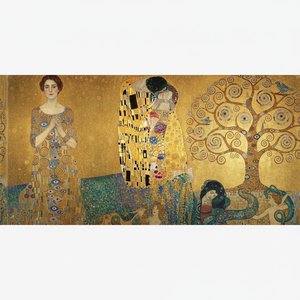
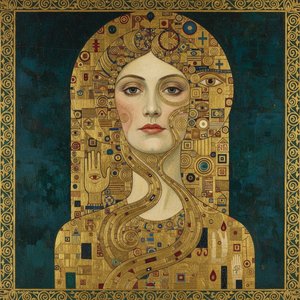
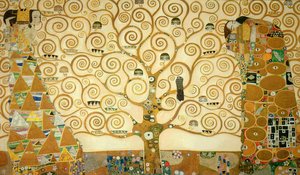
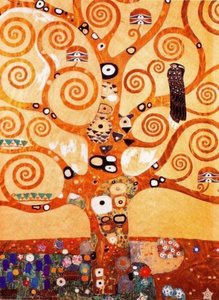
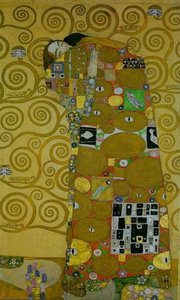
His formal artistic training at the Academy of Fine Arts in Vienna proved brief, lasting only three months. He quickly found himself stifled by the academic insistence on geometric precision and conventional representation. This early disillusionment fueled his departure from traditional methods, embarking instead on a self-directed path of exploration that prioritized intuition, spontaneity, and a profound connection to the natural world. Travel became essential; sketching incessantly, he absorbed influences from diverse cultures, but it was perhaps his encounter with the work of Gustav Klimt and the principles of the Vienna Secession that resonated most deeply. While not directly imitating Klimt’s opulent style, Hundertwasser admired the Secessionists' defiance of academic norms and their embrace of decorative elements as a means of artistic expression. He began signing his works simply as “Hundertwasser,” a pseudonym deliberately chosen to evoke a sense of abundance and connection to the elemental forces of nature – a symbolic act of rebellion against the constraints of a patriarchal naming system.
Spirals, Swirls, and Organic Forms: Deconstructing Hundertwasser’s Visual Language
The hallmark of Hundertwasser's artistic style is immediately recognizable: a vibrant explosion of color, undulating lines, and asymmetrical compositions that defy Euclidean geometry. He famously declared his opposition to the “straight line,” viewing it as an oppressive symbol of human control over nature. Instead, he championed the spiral – a form he saw as inherent in all living things, representing growth, evolution, and the cyclical rhythms of life. This wasn’t merely an aesthetic preference; it was a deeply held philosophical conviction.
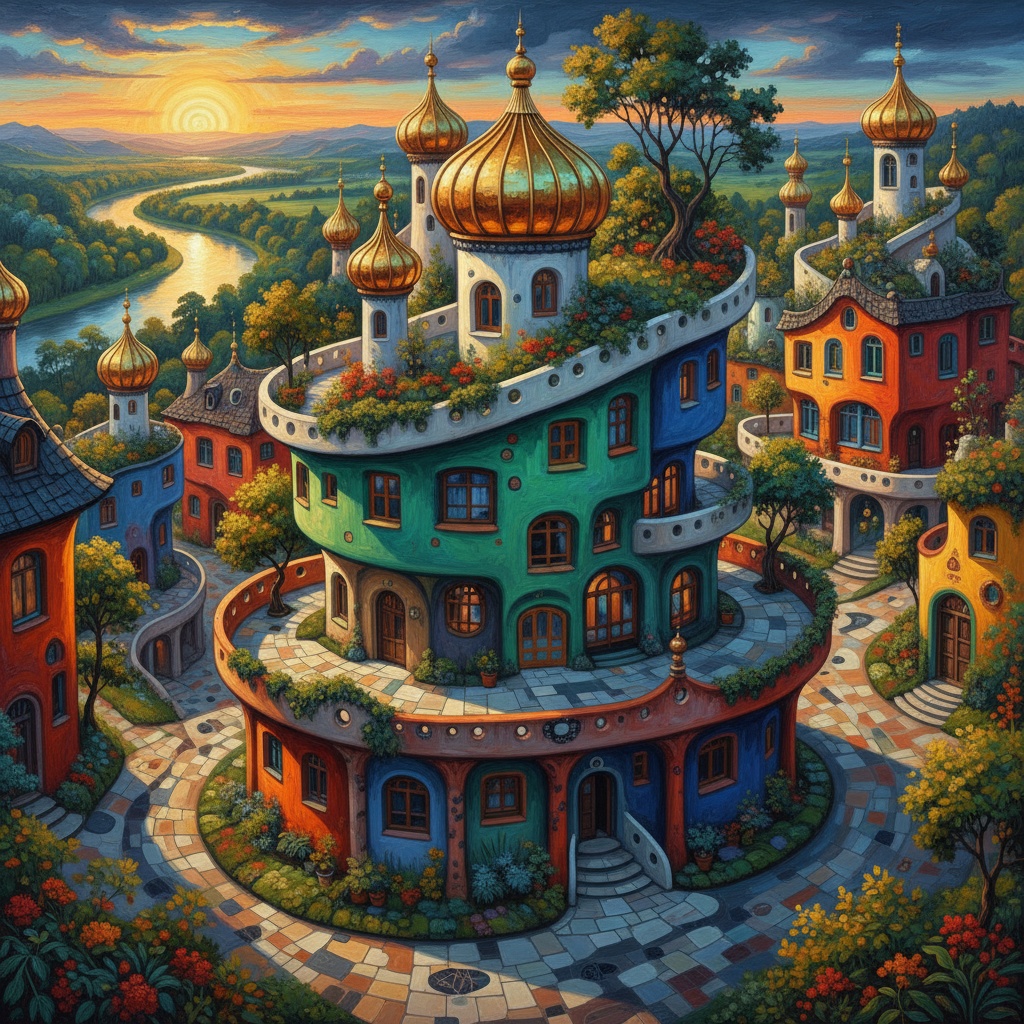
His paintings are not simply depictions *of* nature but rather attempts to embody its principles. He layered colors with deliberate irregularity, creating textures that mimic the organic complexity of forests, coral reefs, and geological formations. The use of bright, often contrasting hues wasn’t arbitrary; it was intended to evoke a sense of joy, vitality, and the inherent diversity of the natural world. He frequently incorporated irregular shapes – circles, ovals, and free-flowing forms – that seemed to pulsate with energy. This rejection of symmetry and repetition extended beyond painting into his architectural designs, where buildings became living organisms, adapting to their environment rather than imposing upon it.
Architecture as Anti-Establishment: The Philosophy Behind Hundertwasser’s Buildings
Hundertwasser didn't simply want to decorate buildings; he wanted to transform the very concept of architecture. He viewed traditional architectural design as inherently authoritarian, imposing rigid structures on the landscape and suppressing the natural flow of life. His philosophy, articulated through his “House Skin” manifesto, advocated for a symbiotic relationship between humans and their environment.
The core tenets of this philosophy included irregular forms, uneven facades, rooftop gardens, and the incorporation of trees growing directly from the structures themselves. He believed that buildings should be adaptable, evolving organisms, capable of responding to the needs of their inhabitants and the surrounding ecosystem. He famously criticized the “windowless boxes” of modern architecture, arguing that they alienated people from nature and stifled creativity. His designs prioritized individuality, rejecting standardized housing in favor of unique dwellings tailored to the specific personalities and lifestyles of their occupants. This wasn’t simply about aesthetics; it was a radical critique of societal norms and a call for a more humane and sustainable approach to urban planning.
The Hundertwasserhaus & Beyond: Iconic Projects and Their Lasting Impact
Perhaps no single project embodies Hundertwasser's architectural philosophy as powerfully as the Hundertwasserhaus in Vienna. Completed in 1985, this apartment building is a riot of color, asymmetry, and organic forms. Trees sprout from windowsills, golden domes punctuate the roofline, and no two facades are alike. It’s not merely a place to live; it's a living work of art, a testament to his belief in the power of individuality and the beauty of imperfection.
However, the Hundertwasserhaus wasn’t an isolated incident. He applied his principles to other projects as well, including the KunstHausWien, a museum dedicated to his work, and the Terra Nova House in New Zealand. Each project served as a laboratory for exploring new ways of integrating architecture with nature and challenging conventional design norms. His influence extended beyond these specific buildings; he inspired countless architects and designers to rethink their relationship to the environment and prioritize sustainability.
Ecological Activism & the ‘House Skin’: A Holistic Approach to Art and Life
Hundertwasser’s artistic vision was inextricably linked to his ecological activism. He wasn't simply concerned with creating beautiful buildings; he was deeply committed to protecting the planet and promoting a more sustainable way of life. His “House Skin” manifesto, which outlined his principles for ecologically sound architecture, went beyond mere aesthetics, advocating for closed-loop systems, rainwater harvesting, and the use of renewable energy sources.
He actively campaigned against deforestation, pollution, and unsustainable development practices. His move to New Zealand in the 1970s wasn’t simply a personal retreat; it was a deliberate attempt to live closer to nature and experiment with self-sufficient living. He purchased land in the Bay of Islands, where he designed buildings that minimized their environmental impact and integrated seamlessly into the surrounding landscape. This holistic approach – encompassing art, architecture, and ecological activism – defined his entire career.
Hundertwasser's Legacy: Continuing Influence on Contemporary Design & Sustainability
Friedensreich Hundertwasser’s death in 2000 didn’t diminish the impact of his work. His buildings continue to inspire awe and wonder, attracting visitors from around the globe. More importantly, his ideas about organic architecture, ecological sustainability, and the importance of individuality have resonated with a new generation of architects and designers.
Today, we see echoes of Hundertwasser’s philosophy in green building initiatives, biophilic design principles, and the growing movement towards sustainable urban planning. His rejection of rigid systems and his embrace of natural forms continue to challenge conventional aesthetics and inspire us to rethink our relationship with the environment. His work serves as a powerful reminder that art isn't merely about creating beautiful objects; it’s about transforming the world around us – one spiral, swirl, and rooftop garden at a time.
Explore the captivating world of Hundertwasser and discover unique reproductions of his masterpieces at ArtsDot.com, where art comes to life with exceptional quality and personalized service.