



The Artful Table: How Regional Aesthetics Elevate International Dining Experiences
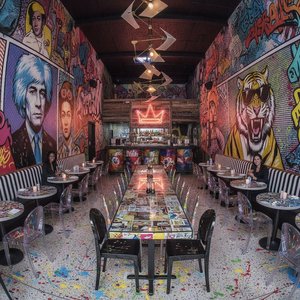
The contemporary restaurant is no longer simply a place to nourish the body; it’s a stage for cultural exchange, a carefully constructed environment designed to transport and transform. While culinary excellence remains paramount, an increasingly sophisticated clientele seeks more than just exceptional food—they crave authentic experiences, immersive atmospheres, and narratives that resonate with their values. This shift has propelled regional art from a decorative afterthought to a vital component of successful international dining establishments. The power lies not merely in the visual appeal of the artwork itself, but in its ability to evoke a sense of place, history, and genuine connection.
Consider the subtle alchemy that occurs when a Peruvian restaurant in London eschews generic pan-Latin motifs for works by contemporary artists from the Andes. Suddenly, the space isn’t just *representing* Peru; it's actively embodying its spirit. Vibrant canvases depicting bustling market scenes, intricate textiles reflecting ancient weaving traditions—these aren’t simply wall hangings; they are windows into a living culture. The most compelling establishments understand that art must be more than aesthetically pleasing; it needs to tell a story, offering diners insight into the country's artistic heritage and evolving identity. This requires diligent research, moving beyond iconic imagery to embrace both established masters and emerging talents. Collaborating with local galleries or art historians becomes essential, ensuring authenticity and sensitivity in the selection process.
Beyond Décor: Storytelling Through Culturally Authentic Artwork Selection
The temptation to simply acquire “exotic” artwork is a pitfall many restaurants encounter. True cultural immersion demands a deeper understanding of symbolism, historical context, and artistic technique. A seemingly beautiful piece can carry unintended meanings or misrepresent the culture it purports to represent. For example, incorporating traditional masks without acknowledging their ceremonial significance could be deeply disrespectful. The goal isn’t simply to *decorate* in a particular style; it's to create a dialogue—to invite diners into a conversation about the art and the culture from which it originates. This often involves providing contextual information alongside the artwork: artist statements, historical background, or even curated exhibitions that delve deeper into specific themes.
The selection process should also reflect the diversity within a region. Russia, for instance, is not monolithic; its artistic traditions vary dramatically across its vast landscape. Showcasing works from the Arkhangelsk region—with its ancient icons and unique Kholmogory bone carvings—alongside pieces from Tomsk or Ryazan creates a richer, more nuanced representation of Russian culture. This commitment to authenticity builds trust with discerning patrons who appreciate genuine cultural expression.
Rasa & Gastronomy: Evoking Emotion and Sensory Immersion in Restaurant Design
The ancient Indian concept of ‘Rasa’—the aesthetic essence or “flavor” of an artwork—provides a compelling framework for understanding how art impacts emotional response. In the context of gastronomy, ‘Rasa’ translates into creating an atmosphere that stimulates all five senses: sight, smell, taste, sound, and touch. A Moroccan restaurant, for example, might employ artwork featuring rich colors and intricate patterns reminiscent of traditional zellige tilework to evoke feelings of warmth, hospitality, and exoticism. The selection should consider the emotional weight associated with specific motifs or symbols within the culture; depictions of family gatherings could foster a sense of community, while landscapes reflecting the Sahara Desert might inspire awe and tranquility.
However, ‘Rasa’ is subjective. What evokes a particular emotion in one culture may resonate differently in another. Understanding the target audience’s cultural background and sensitivities is paramount. A Western audience unfamiliar with Moroccan traditions might require contextual information to fully appreciate the artwork's significance. Providing artist statements or curated exhibitions can help bridge this gap, fostering a deeper connection between diners and the art.
Sourcing with Integrity: Ethical Considerations for Global Art Collections
The pursuit of authentic cultural representation must be grounded in ethical sourcing practices. Restaurants have a responsibility to ensure that artwork is acquired legally and responsibly, avoiding the exploitation of artists or cultural heritage. This includes verifying provenance—establishing the artwork's history of ownership—supporting fair trade practices, and respecting intellectual property rights. Simply acquiring the cheapest available option often comes at a cost: potentially supporting unethical labor practices or contributing to the loss of cultural artifacts.
Collaborating with reputable art dealers who specialize in regional art is crucial. These experts can provide guidance on ethical sourcing, ensuring that artwork is acquired from legitimate sources and that artists are fairly compensated. Furthermore, transparency is key; diners should be informed about the origins of the artwork and the steps taken to ensure its ethical acquisition.
Investing in Aesthetic Capital: The Role of Bespoke Commissions and Curated Exhibitions
In the luxury dining sector, art personalization serves as a powerful indicator of aesthetic capital—the prestige associated with refined taste and cultural sophistication. Simply displaying expensive artwork isn’t enough; it must be carefully selected to reflect the restaurant's brand identity and target audience. Bespoke commissions—commissioning original works from contemporary artists—demonstrate a commitment to supporting creativity and fostering unique experiences. A high-end Italian restaurant might commission a series of portraits depicting local artisans, creating a sense of intimacy and connection with the region.
Curated collections, themed around specific artistic movements or historical periods, showcase expertise and attention to detail. These collections should not be static; rotating exhibitions allow restaurants to continually refresh their atmosphere and engage patrons with new perspectives. Furthermore, incorporating artist talks or workshops creates opportunities for engagement and education, fostering a deeper appreciation for the art and the culture it represents.
From Canvas to Cuisine: Partnering with Art Advisors for a Transformative Dining Atmosphere
Many restaurant owners lack the expertise to navigate the complex world of art acquisition effectively. Art advisors provide invaluable guidance on selecting artwork that aligns with their aesthetic vision, budget, and target audience. They can assist in researching artists, verifying provenance, negotiating prices, and managing logistics. More importantly, they help restaurants develop a cohesive collection that tells a compelling story—a narrative that resonates with patrons on an emotional level.
At ArtsDot.com, we understand the transformative power of art in creating immersive dining experiences. Our team of expert advisors offers personalized consultations to help you curate a collection that reflects your brand identity, celebrates regional culture, and elevates your restaurant's aesthetic capital. From sourcing authentic artwork to managing logistics and providing contextual information, we are committed to helping you create a space that truly captivates your guests. Explore our extensive library of over 465,000 paintings or commission a bespoke piece today—and discover how art can transform your restaurant from a place to eat into a destination for cultural discovery.