The Resonance of Place: Heritage Tourism & The Modern Hotel
Heritage tourism is a branch of tourism centered around the exploration and appreciation of a region's cultural, historical and environmental heritage. This form of tourism includes both tangible elements, such as historically significant sites, monu...
The desire to connect with a sense of place—to understand the stories woven into the fabric of a location—is an ancient human impulse, now powerfully channeled through heritage tourism. More than simply visiting monuments, today’s traveler seeks immersive experiences that reveal the soul of a destination. For the discerning hotelier, this presents both a challenge and an extraordinary opportunity: to move beyond mere hospitality and become a curator of cultural understanding. The modern hotel is no longer solely a provider of comfort; it's increasingly expected to be a conduit to authentic local narratives. This shift demands a thoughtful approach to design, one where art isn’t simply decorative but actively participates in shaping the guest experience. The most successful establishments recognize that true luxury lies not just in opulent amenities, but in the richness and depth of the stories they tell.
Historically, grand hotels often served as microcosms of their cities, showcasing local craftsmanship and artistic traditions. However, this connection has frequently been diluted in the pursuit of standardized global aesthetics. The current resurgence of interest in heritage—fueled by a desire for meaningful travel—calls for a re-evaluation of this approach. It’s about more than displaying antiques; it's about fostering a dialogue with the past and present, creating spaces that resonate with the unique character of their surroundings. Consider the enduring appeal of hotels built within historic structures – they inherently possess a narrative weight, but even newly constructed properties can achieve this through deliberate artistic choices.
Beyond Decoration: Art as Narrative in Hospitality Design
Mexican muralism refers to the art project initially funded by the Mexican government in the immediate wake of the Mexican Revolution (1910–1920) to depict visions of Mexico's past, present, and future, transforming the walls of many public buildings...
The distinction between ‘decoration’ and ‘art’ is crucial. Decoration serves a primarily aesthetic function; art, however, communicates ideas, evokes emotions, and prompts reflection. In the context of hospitality, this translates to selecting pieces that actively contribute to the hotel's overall story. A carefully chosen mural can depict local folklore, offering guests a glimpse into the region’s cultural heritage. Sculptures crafted by regional artists can celebrate traditional techniques and materials. Even abstract works, when thoughtfully placed, can evoke the atmosphere or spirit of the location. The key is intentionality – every piece should have a purpose beyond visual appeal.
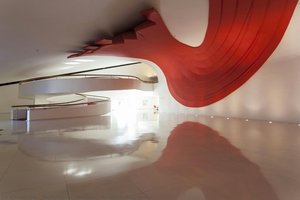
Think of Mexican muralism in the 1920s—a powerful example of art as social and political commentary, deeply intertwined with national identity. Artists like Diego Rivera didn’t simply paint beautiful images; they created public narratives that shaped collective memory and fostered a sense of belonging. While not every hotel requires such overt messaging, the principle remains: art can be a potent tool for communicating values and fostering connection. The monumental scale of works like those found at Hidro Arte SACMEX in Mexico City demonstrates how art can transform urban spaces into vibrant cultural hubs, attracting both locals and tourists.
Furthermore, the selection process should prioritize authenticity over trendiness. Guests are increasingly sophisticated and can readily discern contrived experiences from genuine expressions of local culture. Investing in works by emerging artists—those deeply rooted in their communities—can not only support local talent but also offer a fresh perspective on established narratives.
Commissioning for Connection: Sourcing Art that Reflects Local Identity
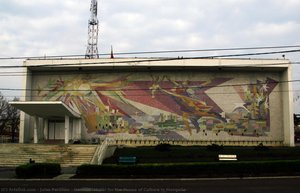 Genesis (Mural for the House of Culture in Mangalia)
Explore iuliș blumenfeld’s ‘Genesis’ mural – a vibrant 1962 Romanian masterpiece! Admire its monumental style, historical subject & rich colors in this unique artwork.
While acquiring existing artworks can be effective, commissioning new pieces offers an unparalleled opportunity to create a truly bespoke experience. This allows hotels to directly engage with the local artistic community, fostering relationships and supporting creative expression. The process of commissioning also ensures that the artwork is perfectly tailored to the hotel’s specific aesthetic vision and narrative goals.
The benefits extend beyond the finished product. Commissioning an artist involves a collaborative dialogue—a sharing of ideas, perspectives, and cultural knowledge. This exchange can enrich both the artist's practice and the hotel’s understanding of its surroundings. Consider Iuliș Blumenfeld’s ‘Genesis’ mural in Mangalia – a vibrant testament to Romanian history and artistic skill. Such works aren’t simply decorations; they are embodiments of local pride and cultural heritage.
Successful commissioning requires careful research and selection. Identify artists whose work resonates with the hotel's values and aesthetic vision, but also those who possess a deep understanding of the local culture. Engage in open communication throughout the process, providing clear briefs while allowing for artistic freedom. The goal is not to dictate the artwork’s content but rather to collaborate on a piece that authentically reflects the spirit of the location.
Monumental Statements & Intimate Experiences: Scale and Impact in Art Selection
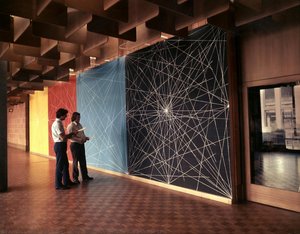
The scale of an artwork significantly impacts its emotional resonance. Monumental murals, like those seen in Mexico City, can transform entire spaces, creating immersive environments that envelop guests in a sense of place. These large-scale works are particularly effective in public areas—lobbies, courtyards, and dining rooms—where they serve as focal points for social interaction.
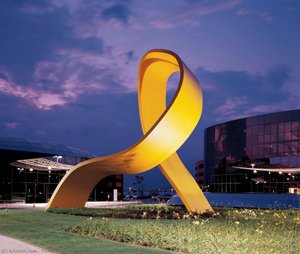
However, scale isn’t the only consideration. Intimate artworks—smaller paintings, sculptures, or installations—can also have a profound impact, especially within guest rooms and private spaces. These pieces offer moments of quiet contemplation, inviting guests to connect with the artwork on a personal level. The key is balance – creating a harmonious interplay between monumental statements and intimate experiences.
Consider the placement of artworks carefully. A striking sculpture in the lobby can create a memorable first impression, while a thoughtfully chosen painting above a bed can foster a sense of calm and relaxation. The goal is to curate an environment that engages guests on multiple levels—stimulating their senses, evoking emotions, and prompting reflection.
Artification & Sustainability: Building Cultural Capital Through Commissioned Works
The concept of “artification”—the process of transforming spaces into cultural hubs through the integration of art—is increasingly recognized as a driver of sustainable tourism. By investing in local artists and commissioning works that reflect regional identity, hotels can contribute to the preservation of cultural heritage and foster economic growth within their communities.
This approach aligns with the growing demand for experiential travel—guests are no longer content simply to consume products; they seek meaningful experiences that connect them to the places they visit. Art-focused hotels attract a discerning clientele who value creativity, authenticity, and cultural immersion. This can lead to increased brand loyalty, positive word-of-mouth marketing, and enhanced social media visibility.
Furthermore, art can serve as a catalyst for community engagement. Hosting artist residencies, organizing workshops, or offering guided tours of the hotel’s collection can foster dialogue and build relationships with local residents. This creates a virtuous cycle—where the hotel benefits from the cultural richness of its surroundings, while simultaneously contributing to its preservation.
Navigating the Process: From Concept to Installation with Professional Support
Commissioning art is an investment that requires careful planning and execution. Engaging professional support can streamline the process and ensure a successful outcome. Art consultants offer expertise in artist selection, project management, and installation logistics. They can also assist with budget negotiation, contract drafting, and insurance considerations.
The initial phase involves defining the hotel’s aesthetic vision and narrative goals. This includes identifying key themes, styles, and materials that resonate with the location's cultural identity. Once a clear brief is established, the consultant can curate a shortlist of artists whose work aligns with these criteria. The selection process should prioritize not only artistic skill but also communication style and collaborative spirit.
Throughout the commissioning process, regular communication is essential. Consultants facilitate dialogue between the hotel and the artist, ensuring that the artwork meets both aesthetic requirements and budgetary constraints. Once the artwork is completed, they oversee installation logistics—including framing, lighting, and placement—to ensure a seamless integration into the hotel’s environment.
At ArtsDot.com, we offer comprehensive art consultation services tailored to the needs of hospitality professionals. From sourcing existing masterpieces to commissioning bespoke artworks, our team provides expert guidance at every stage of the process. We believe that art has the power to transform spaces and create lasting connections—and we are dedicated to helping hotels unlock its full potential. Explore our extensive collection or contact us today to discuss your project.