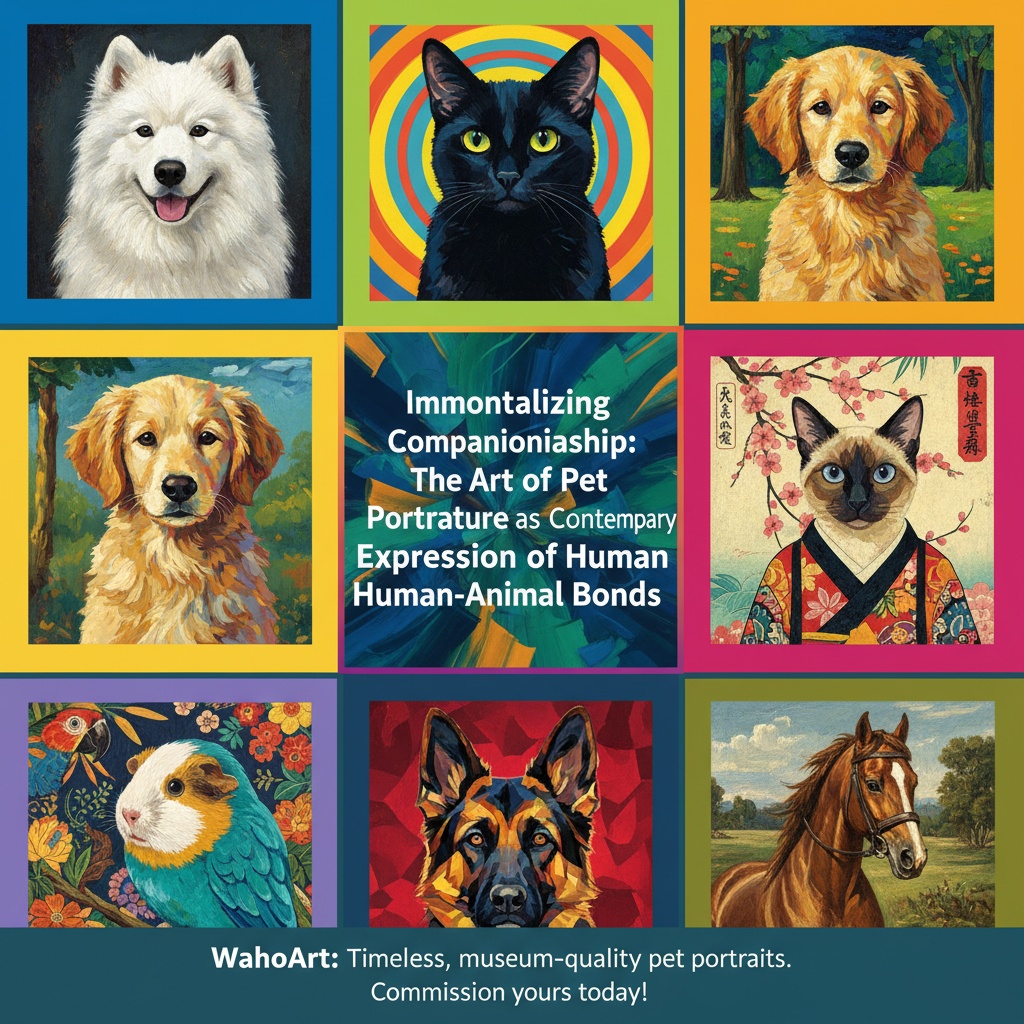
The Enduring Appeal: A History of Pet Portraiture & Our Connection with Animals
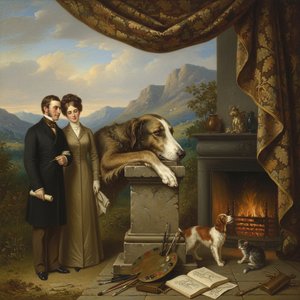 Sir Edwin Landseer: Sentiment, Society & the Victorian Animalier Tradition
Explore the life & art of Sir Edwin Landseer, Victorian Britain's foremost animal painter. Discover his iconic works, societal impact, and collecting guide at ArtsDot.
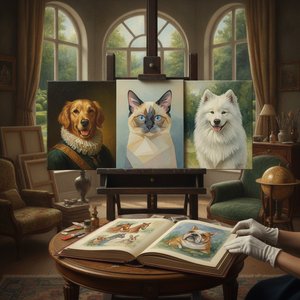
For millennia, humans have shared profound connections with animals – bonds woven not simply from utility or companionship, but from a deeper resonance of spirit and understanding. This relationship isn’t merely practical; it's emotional, spiritual, even familial. It is perhaps inevitable that we would seek to capture these cherished beings, to immortalize their presence beyond the fleeting nature of life itself. The desire to depict animals dates back to antiquity – ancient Egyptians revered cats and dogs, enshrining them in tomb paintings as companions for the afterlife. But it was during the Victorian era that pet portraiture truly flourished, blossoming alongside a growing sentimentality towards domestic creatures and an expanding middle class eager to express its affections through art.
Artists like Charles Burton Barber (1845-1894) became synonymous with this trend, crafting heartwarming scenes of children nestled alongside their canine companions. These weren’t simply records of likeness; they were statements of social status and expressions of familial affection, often commissioned by wealthy patrons – even members of the royal family. Sir Edwin Landseer further elevated animal painting to a high art form, imbuing his subjects with psychological depth and capturing subtle nuances of character that resonated deeply with Victorian society. His iconic works reflected an evolving relationship with animals—a shift from mere utility towards genuine companionship. The meticulous detail and emotional resonance achieved by these masters established a precedent for contemporary pet portraiture, a legacy we continue to build upon today.
Choosing Your Artist: Styles, Techniques & Commissioning Considerations
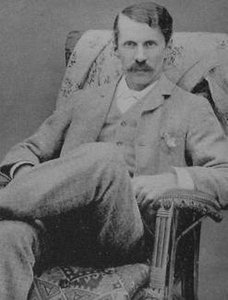 Charles Burton Barber
Charles Burton Barber (1845-1894): Beloved Victorian painter of heartwarming scenes featuring children & their animal companions, especially dogs. Known for royal commissions and sentimental style.
Embarking on the journey of commissioning a pet portrait is a deeply personal endeavor. The selection of an artist is paramount – a decision that hinges not only on technical skill but also on artistic style and the ability to convey personality. While digital artists offer convenience and affordability, hand-painted portraits possess a unique quality and depth that transcends replication. A skilled painter doesn’t simply copy a photograph; they interpret the subject with their own sensibility, adding layers of nuance and emotion born from observation and experience.
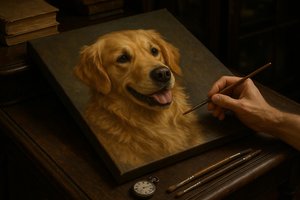
Consider the diverse range of techniques available. Oil painting, celebrated for its richness, flexibility, and enduring quality, remains a favored choice. The medium allows for subtle gradations of color and texture, creating a depth that brings the artwork to life over time. Reviewing an artist’s portfolio is essential – assess whether their style aligns with your vision. Do they accurately capture likeness? More importantly, can they convey the *spirit* of the animal? Look beyond technical proficiency; seek an artist who demonstrates empathy and understanding in their work.
Beyond the Photograph: Capturing Personality and Emotion in Pet Portraits
The true art of pet portraiture lies not merely in replicating a likeness but in capturing the unique essence of the animal – its personality, quirks, and the unspoken bond it shares with its owner. This requires more than technical skill; it demands keen observation, empathy, and an understanding of non-verbal communication. A truly gifted artist will spend time observing the animal in its natural environment, interacting with its owner to gain insights into its character.
They’ll pay attention to subtle cues – expressions, posture, mannerisms – that reveal its individual spirit. High-quality reference photographs are invaluable, capturing a range of emotions and angles. However, even the best photograph can only offer a partial glimpse. Skilled artists rely on their intuition and experience to interpret these nuances, adding layers of depth and emotion to the portrait. Often, they focus on the eyes – often referred to as the ‘windows to the soul’ – seeking to capture a sense of intelligence, playfulness, or serenity that defines the animal's character.
Materials Matter: Ensuring Longevity & Museum-Quality Results
Oil painting is a painting method involving the procedure of painting with pigments combined with a drying oil as the binder. It has been the most common technique for artistic painting on canvas, wood panel, or copper for several centuries. The adva...
The materials used in creating a pet portrait are inextricably linked to its longevity and aesthetic quality. Investing in premium-grade oil paints, archival inks, and durable canvases is not merely a matter of preference; it’s a commitment to preserving your cherished memories for generations to come. Oil paint, renowned for its richness and flexibility, allows for subtle gradations of color and texture that cannot be replicated by other mediums.
Archival inks, used in giclée prints, offer exceptional color vibrancy and fade resistance – ensuring that the artwork retains its brilliance for decades. The canvas itself is equally important; 100% cotton canvases provide a superior surface for oil paint, offering greater durability and texture. Framing materials should also be carefully selected. Acid-free mats protect the artwork from deterioration, while UV-resistant glass prevents fading. These seemingly small details contribute significantly to the overall quality and enduring beauty of your portrait.
Customization Options: Tailoring Your Portrait to Reflect Your Unique Bond
Beyond style and technique, customization options are key to achieving a truly personal portrait – one that reflects not only the animal’s character but also your individual aesthetic preferences. Size, framing, background, and even pose can be tailored to create a unique work of art.
Consider the environment in which the portrait will reside when determining size and format. A larger canvas may command attention in a spacious living room, while a smaller print might be ideal for a cozy study. Framing options range from classic wooden frames to modern minimalist designs – choose one that complements both the artwork and your décor. The background can also significantly impact the overall composition; do you prefer a neutral backdrop that emphasizes the animal’s features or a more detailed scene that reflects its personality? Collaborating closely with the artist throughout the process is crucial, ensuring that the final portrait accurately captures your vision.
Preserving a Legacy: The Emotional Significance of Pet Portraiture
Pet portraits are far more than decorative pieces; they are tangible expressions of love, loyalty, and companionship – preserving memories and celebrating the enduring bond with our animal friends. In an increasingly digital world, a hand-painted portrait offers a unique sense of permanence and emotional resonance.
It’s a physical reminder of a cherished companion, a testament to the joy they brought into your life. Portraits can also serve as conversation starters – sparking memories and sharing stories with loved ones. For those who have lost a beloved pet, a portrait can provide solace and comfort – a lasting tribute to their unwavering loyalty and unconditional love. The act of commissioning a portrait is itself a meaningful experience—a celebration of the unique connection you share with your animal friend. At ArtsDot.com, we understand this profound connection and strive to create portraits that not only capture likeness but also preserve the *spirit* of your beloved companion for generations to come.