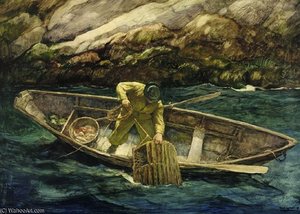
The Brandywine Tradition: Nurturing a Realist Vision
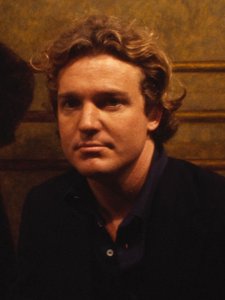 Jamie Wyeth
Discover Jamie Wyeth (b. 1946), heir to the Brandywine School tradition! Explore his realist paintings of portraits, animals & Maine landscapes—a captivating American artist.
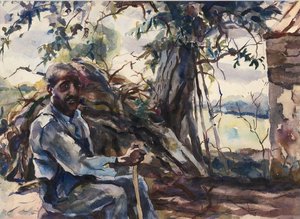
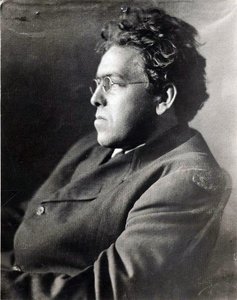
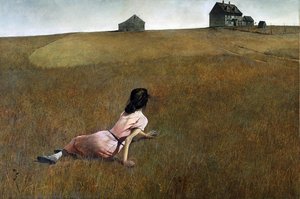
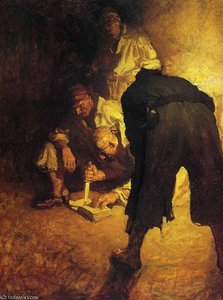
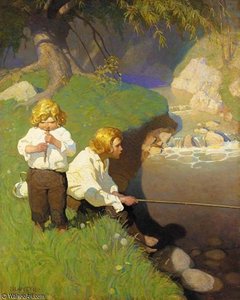
Jamie Wyeth’s artistic journey is inextricably linked to the verdant landscapes and rich heritage of the Brandywine River Valley, a region steeped in artistic history. Born in 1946 into a dynasty of American painters – grandson of the celebrated illustrator N.C. Wyeth and son of the iconic Andrew Wyeth – he inherited not merely a lineage but a profound aesthetic sensibility. The “Brandywine School,” as it came to be known, wasn’t a formal institution but rather an ethos cultivated within the family walls, emphasizing meticulous observation, emotional resonance, and a deep connection to the natural world. Unlike many of his contemporaries who embraced abstraction, Wyeth was drawn to the tangible reality before him, a commitment fostered from early childhood on the family farm, “The Mill,” in Chadds Ford, Pennsylvania. This wasn’t simply about replicating what he saw; it was about imbuing each subject with a sense of history, memory, and personal significance. His father, Andrew Wyeth, famously stated that painting for him was an act of remembrance, and this sentiment deeply resonated with Jamie, shaping his own artistic path.
Beyond Representation: Wyeth’s Psychological Landscapes
 Wikipedia: Jamie Wyeth
James Browning Wyeth (born July 6, 1946) is an American realist painter, son of Andrew Wyeth, and grandson of N.C. Wyeth. He was raised in Chadds Ford Township, Pennsylvania, and is artistic heir to the Brandywine School tradition — painters who work...
While firmly rooted in realism, Jamie Wyeth's work transcends mere depiction. His paintings are not simply *about* places or people; they are explorations of the inner lives connected to them. He possesses a remarkable ability to capture atmosphere and mood, often imbuing his scenes with an unsettling quietude or a palpable sense of melancholy. This psychological depth is achieved through a masterful use of light and shadow, subtle color variations, and a deliberate attention to detail that borders on hyperrealism. Consider his portraits – they are rarely straightforward representations but rather intimate studies of character, revealing vulnerabilities and complexities beneath the surface. He doesn’t shy away from the darker aspects of human nature, often portraying subjects with a haunting gaze or an air of quiet desperation. This willingness to confront difficult emotions sets him apart and elevates his work beyond simple aesthetic beauty.
Monhegan Island & the Haunting Beauty of Place
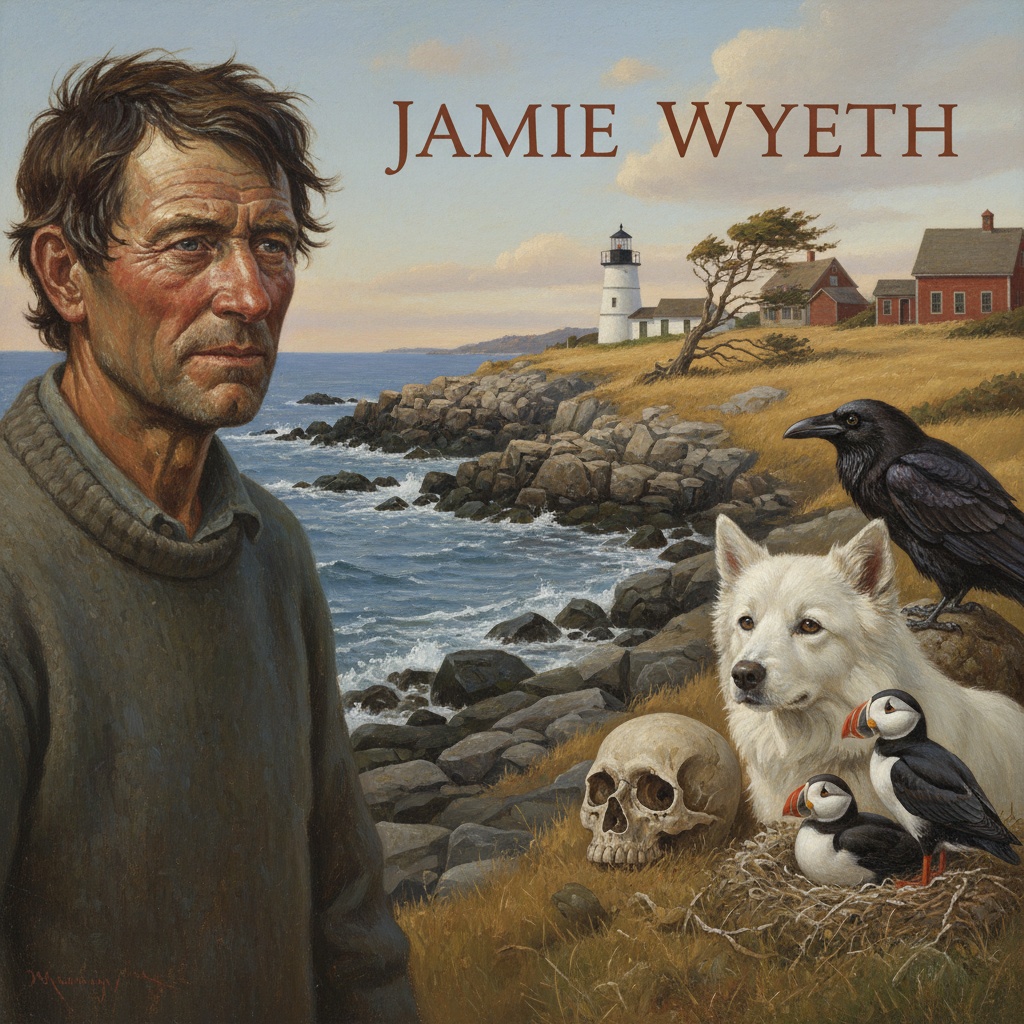
The rugged coastline and isolated beauty of Monhegan Island, Maine, have served as a constant source of inspiration for Wyeth throughout his career. He first visited the island as a young boy and was immediately captivated by its wildness and untamed spirit. Unlike the familiar landscapes of Pennsylvania, Monhegan offered a sense of solitude and mystery that resonated deeply with his artistic sensibilities. The island’s dramatic cliffs, weathered buildings, and resilient inhabitants provided endless subject matter for his paintings. He wasn't merely documenting the scenery; he was capturing the essence of a place – its history, its folklore, and the enduring spirit of those who called it home. His depictions of Monhegan often feature gulls, which become symbolic representations of freedom, isolation, and the raw power of nature. The island’s influence is evident in his use of muted colors, textured brushstrokes, and a pervasive sense of atmospheric perspective.
Portraits and Personalities: Capturing the Essence of His Subjects
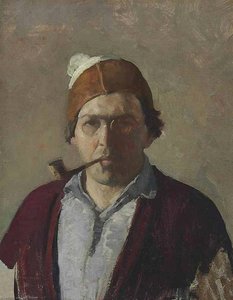
Jamie Wyeth's portraits are perhaps his most compelling works, revealing not just physical likeness but also the inner lives of his sitters. He approaches portraiture with an almost anthropological curiosity, seeking to understand the subject’s history, personality, and emotional landscape. His commission by John F. Kennedy’s family after the president’s assassination resulted in a series of powerful portraits that captured both the dignity and vulnerability of the late leader. Similarly, his portrait of Rudolf Nureyev, the celebrated ballet dancer, conveys a sense of intense energy and artistic passion. He often spent extended periods with his subjects, immersing himself in their world to gain a deeper understanding of their character. This dedication is evident in the subtle nuances of expression and gesture that bring his portraits to life. He doesn’t simply paint *what* people look like; he paints *who* they are.
Wyeth's Unique Technique: Combined Media and Artistic Innovation
While deeply influenced by the traditions of oil painting, Jamie Wyeth has forged his own distinctive path through experimentation with technique. He is known for his use of “combined media,” a term he prefers to describe his layering of various materials – including egg tempera, watercolor, drybrush, and even found objects – onto canvas or toned board. This unconventional approach allows him to create textures and effects that are impossible to achieve with traditional methods alone. He often incorporates elements of collage and assemblage into his work, adding another layer of complexity and visual interest. His technique is not merely about aesthetics; it’s a reflection of his desire to capture the multifaceted nature of reality. He believes that each material possesses its own unique qualities and contributes to the overall emotional impact of the painting. This willingness to push boundaries and experiment with new approaches sets him apart from his contemporaries.
A Lasting Influence: Jamie Wyeth in the Context of American Art
Jamie Wyeth’s contribution to American art lies not only in his technical mastery but also in his ability to connect with viewers on a deeply emotional level. He continues the legacy of realism established by his grandfather and father, while simultaneously forging his own unique artistic voice. His paintings are a testament to the power of observation, the importance of memory, and the enduring beauty of the natural world. He has inspired generations of artists with his commitment to craftsmanship, his willingness to experiment, and his unwavering dedication to capturing the essence of the American experience. His work serves as a reminder that art is not merely about what we see but also about how we feel