
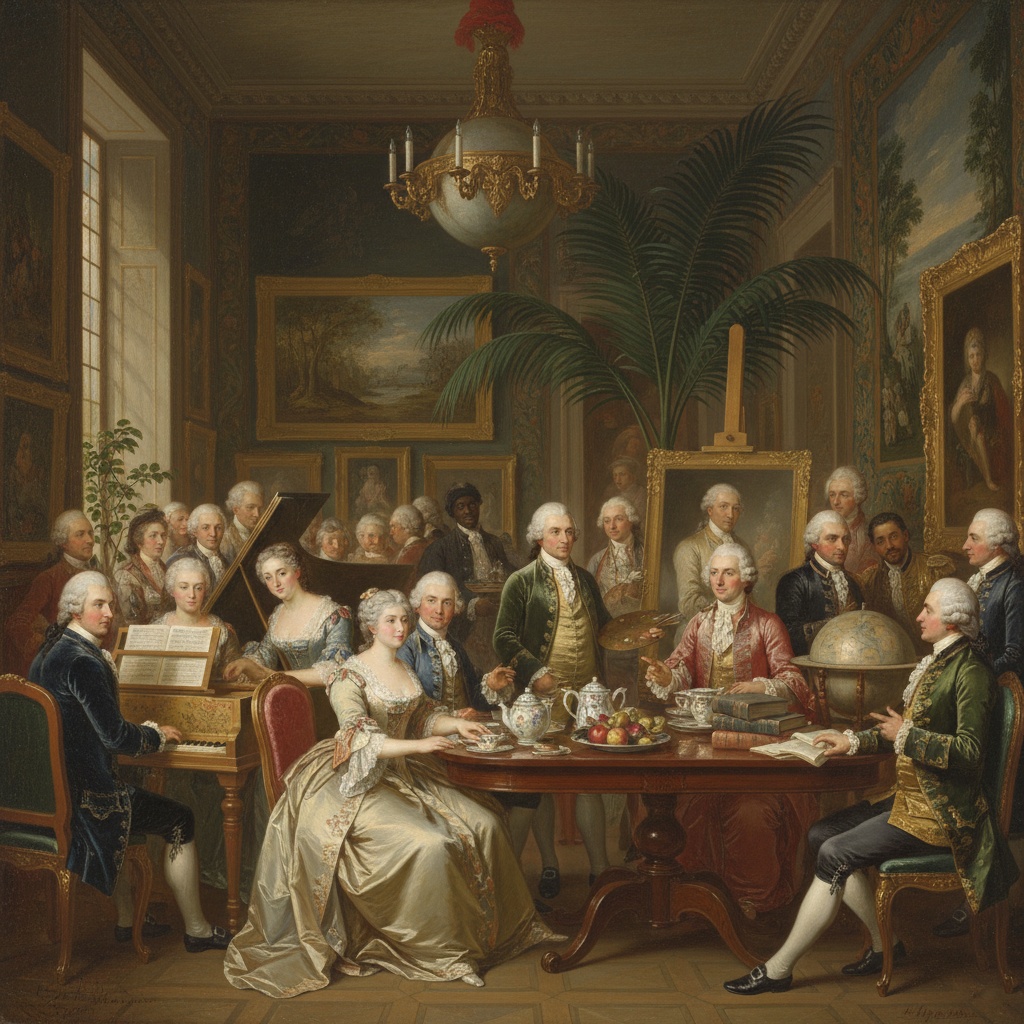
The Rise of the 'Conversation Piece': Zoffany's Unique Contribution
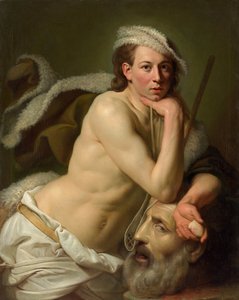 johann zoffany
Discover Johann Zoffany's 18th-century masterpieces! Renowned for 'conversation pieces,' blending German precision & Italian flair. Explore portraits, history paintings & more – available at ArtsDot.
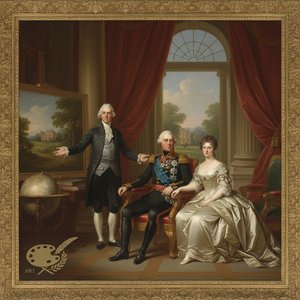
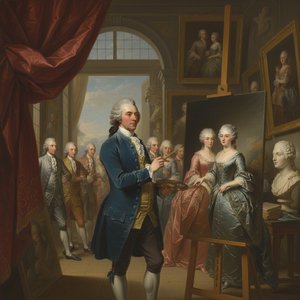
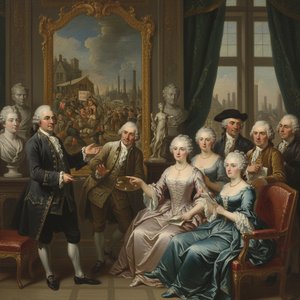
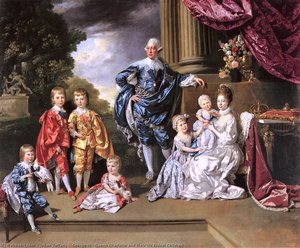
Johann Joseph Zoffany, a name perhaps less immediately recognizable than his contemporaries Reynolds or Gainsborough, nevertheless occupies a pivotal position in the history of 18th-century British art. His enduring legacy lies not simply in his technical skill – though that was considerable – but in his masterful reinvention of the ‘conversation piece.’ This genre, depicting groups engaged in informal social settings, had existed previously, yet Zoffany elevated it to a new level of narrative complexity and psychological insight. He didn’t merely record society; he *observed* it, capturing its nuances with an almost anthropological precision. Where earlier examples often felt staged or contrived, Zoffany imbued his compositions with a sense of genuine interaction, a fleeting moment suspended in time. His paintings weren't just portraits; they were windows into the lives and aspirations of the British elite.
From German Roots to London Society: A Transnational Artistic Journey
 Wikipedia: Johan Zoffany
Johan / Johann Joseph Zoffany (born Johannes Josephus Zaufallij; 13 March 1733 – 11 November 1810) was a German neoclassical painter who was active mainly in England, Italy, and India. His works appear in many prominent British collections, includin...
Born Johannes Josephus Zaufallij near Frankfurt in 1733, Zoffany’s path to artistic prominence was anything but conventional. His early training in Germany and Italy provided a solid foundation in classical techniques – a grounding evident in the meticulous detail and balanced compositions that characterize his work. However, it was his arrival in London around 1760 that truly ignited his career. The city throbbed with artistic energy, and Zoffany quickly adapted to its unique cultural landscape. He wasn’t simply importing Italianate styles; he was synthesizing them with a distinctly German precision and an increasingly keen understanding of British sensibilities. This transnational background proved crucial. As an outsider looking in, he possessed a critical distance that allowed him to see – and portray – British society with a fresh perspective.
Patronage and Portraiture: Reflecting the Elite World of 18th-Century Britain
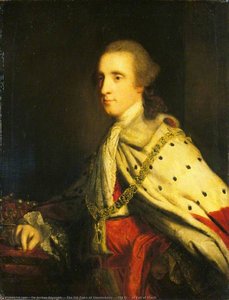
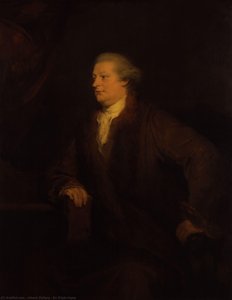 Sir Elijah Impey
Admire Sir Elijah Impey by Johann Zoffany! A stunning 1772 portrait showcasing refined 18th-century style & social life. Explore this masterpiece today!
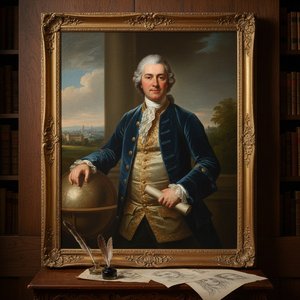
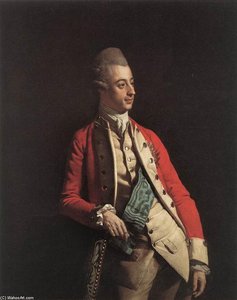
Zoffany’s success was inextricably linked to the patronage of the British aristocracy. He cultivated relationships with prominent figures, including members of the royal family – Queen Charlotte herself commissioned several works – and a constellation of actors, writers, and politicians. This access afforded him unparalleled opportunities to document the lives of the elite. His portraits weren't merely likenesses; they were statements of social status, carefully constructed images designed to project power, taste, and refinement. Sir Elijah Impey, for example, showcases not only the sitter’s authority but also the opulent surroundings that defined his world. The rich fabrics, detailed furnishings, and subtle gestures all contribute to a narrative of wealth and influence. He understood the language of visual symbolism, employing it with masterful subtlety.
Zoffany in India: Imperial Visions and Cultural Exchange
Perhaps the most fascinating chapter in Zoffany’s career unfolded during his extended sojourn in India from 1783 to 1789. This wasn't a typical colonial artist documenting exotic landscapes or subjugated peoples. While he certainly painted portraits of British officials like Warren Hastings, he also engaged with Indian society on a more nuanced level. Colonel Mordaunt’s Cock-Match, arguably his most celebrated work from this period, is a vibrant tableau of cultural exchange – and tension. It depicts a scene of both spectacle and social interaction, offering a rare glimpse into the complexities of early British rule. The painting isn't simply a celebration of imperial power; it also acknowledges the presence and agency of Indian subjects.
The Tribuna of the Uffizi and Beyond: Zoffany's Masterful Group Compositions
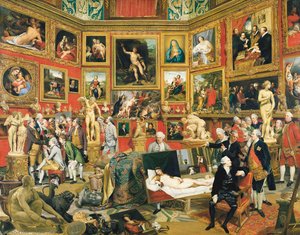
Zoffany’s ambition extended beyond individual portraiture to encompass grand, complex group compositions. The Tribuna of the Uffizi, commissioned by Sir William Young, stands as a testament to his artistic prowess. This painting isn’t merely a depiction of the famous gallery in Florence; it's a meticulously constructed fantasy populated with British Grand Tourists admiring – and interacting with – masterpieces of Renaissance art. The sheer scale of the work, coupled with its incredible detail and playful arrangement of figures, is breathtaking. It reveals Zoffany’s fascination with both art history and social dynamics. He wasn’t simply painting a room; he was creating a microcosm of British society, complete with its pretensions, rivalries, and subtle power plays.
Rediscovering Zoffany: A Legacy of Observation and Artistic Innovation
For too long, Johann Zoffany remained a somewhat overlooked figure in the pantheon of 18th-century British artists. Recent scholarship, however, has begun to redress this imbalance, recognizing his unique contribution to the development of the conversation piece and his insightful portrayal of Georgian society. His work offers invaluable insights into the lives, values, and aspirations of the elite – a window into a world that is both fascinating and increasingly distant. As an artist who seamlessly blended German precision with Italian flair and a distinctly British sensibility, Zoffany deserves to be celebrated as one of the most innovative and perceptive painters of his time. At ArtsDot.com, we are proud to offer meticulously crafted reproductions of Zoffany’s masterpieces, allowing you to bring these captivating scenes into your own home.