The Enigmatic Mariano Fortuny: A Life Dedicated to Artistic Synthesis
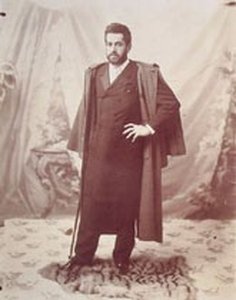 Mariano Fortuny y Madrazo
Mariano Fortuny (1871-1949) was a Spanish artist & designer celebrated for innovative textiles, dresses inspired by history, and pioneering stage lighting. Explore his legacy!
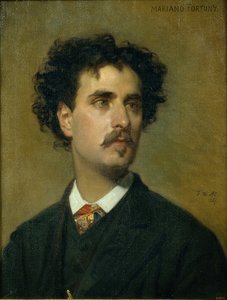
Mariano Fortuny y Madrazo (1871-1949) remains a figure of almost mythical proportions in the annals of art and design history. He wasn’t simply a painter, a textile designer, or even a fashion innovator; he was an alchemist of aesthetics, relentlessly pursuing a synthesis of past glories with modern sensibilities. Born into a family steeped in artistic tradition – his father, Mariano Fortuny Marsal, was a celebrated Romantic painter – young Mariano inherited not just a lineage but also a profound respect for craftsmanship and the power of visual storytelling. However, it was the move to Venice, a city saturated with history and brimming with artisanal expertise, that truly ignited his creative spirit. He wasn’t content merely to *reproduce* beauty; he sought to understand its very essence, dissecting historical techniques and reimagining them for a new era.
Fortuny's early training encompassed painting, stage design, and even printmaking, but it was his fascination with textiles that would ultimately define his legacy. He viewed fabric not as a mere material, but as a canvas capable of embodying entire worlds – worlds informed by his extensive travels and voracious study of art from diverse cultures. This dedication to understanding the fundamental principles behind artistic creation set him apart; he wasn’t simply designing *objects*, he was reconstructing an aesthetic philosophy.
Venetian Roots & Orientalist Influences: Shaping Fortuny’s Aesthetic Vision
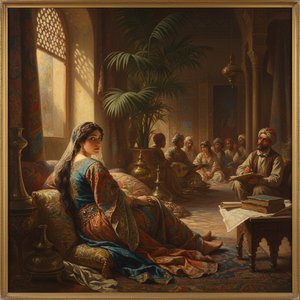
In art history, literature, and cultural studies, Orientalism is the imitation or depiction of aspects of the Eastern world (or "Orient") by writers, designers, and artists from the Western world. Orientalist painting, particularly of the Middle East...
The Palazzo Pesaro degli Orfei, acquired by Fortuny and his wife Henriette Negrin in 1898, became more than a home; it evolved into a veritable laboratory of creativity. Within its walls, they meticulously recreated the atmosphere of historical workshops, fostering an environment where experimentation flourished. Venice itself provided an unparalleled source of inspiration – the city’s Byzantine mosaics, rich brocades, and faded grandeur resonated deeply with Fortuny's sensibilities. He wasn’t simply replicating Venetian styles; he was distilling their essence, stripping away excess to reveal a timeless elegance.
However, Venice was only part of the story. Fortuny harbored a deep fascination with the Orient – particularly Persia and the Middle East. This interest, characteristic of the broader Orientalism movement of the late 19th and early 20th centuries, wasn’t merely about exotic motifs; it was an attempt to understand alternative aesthetic systems, different approaches to color, pattern, and form. His textiles frequently incorporate paisley designs, intricate arabesques, and a palette inspired by Eastern dyes – elements that added a layer of mystique and sophistication to his work. This fusion of Venetian craftsmanship with Orientalist influences created a unique visual language that defied easy categorization.
Revolutionizing Textiles: Innovation in Printing, Dyeing, and Fabric Construction
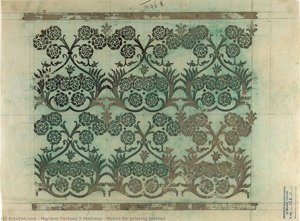
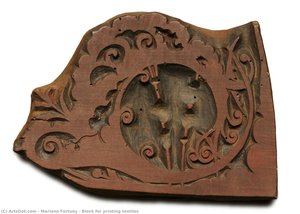 Block for printing textiles
Admire Mariano Fortuny’s ‘Block for Printing Textiles’ – a stunning 1905 wooden block showcasing intricate carvings & design. Hand-painted reproduction available.
Fortuny’s true genius lay not just in his artistic vision but also in his relentless pursuit of technical innovation. He wasn't satisfied with existing methods of textile production; he sought to develop entirely new techniques that would allow him to achieve the effects he desired. He meticulously researched ancient dyeing processes, recreating lost formulas and experimenting with natural pigments to create fabrics with unparalleled depth and luminosity. His workshop became a hub for experimentation, where artisans painstakingly perfected complex printing techniques using hand-carved wooden blocks – examples of these blocks for printing textiles, like those preserved in museum collections, reveal the incredible skill and dedication involved.
Perhaps his most significant innovation was his unique method of printing on cotton. Unlike traditional methods that relied on surface application of dyes, Fortuny developed a process where the color penetrated deep into the fibers, resulting in fabrics with exceptional durability and washability. This allowed him to create textiles that were both beautiful *and* practical – a rare combination at the time. The matrix for printing textiles he designed were not merely tools but intricate works of art themselves, showcasing his mastery of pattern and design. A photograph like Henriette in the textile workshop, offers a glimpse into this world of dedicated artistry.
The Delphos Gown & Beyond: Fortuny's Impact on Fashion History
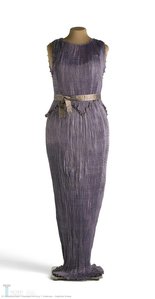
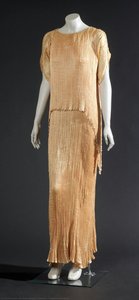
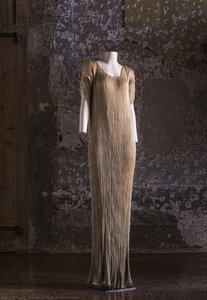
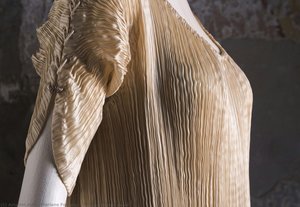
While Fortuny’s textiles were highly sought after for interior design, it was his clothing that truly cemented his place in fashion history. The Delphos gown, introduced around 1907, was a revolutionary creation – a simple, flowing garment made from pleated silk that draped the body with an ethereal grace. Inspired by ancient Greek sculpture, the Delphos rejected the restrictive corsets and elaborate ornamentation of the Victorian era, offering women a new freedom of movement and expression. It wasn’t merely a dress; it was a statement – a rejection of convention and an embrace of timeless elegance.
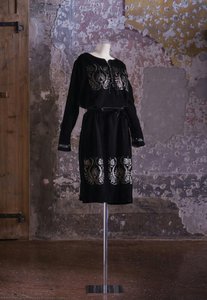
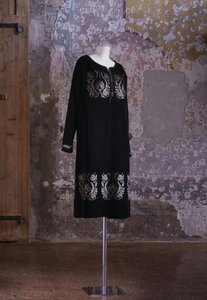
Beyond the Delphos, Fortuny designed a range of other garments – loose-fitting coats, capes, and wraps – all characterized by their luxurious fabrics and flowing silhouettes. His designs appealed to a clientele that valued artistry and individuality, including actresses like Eleonora Duse and socialites who sought an alternative to mass-produced fashion. He didn’t follow trends; he *created* them, influencing generations of designers with his innovative approach to form and fabric.
Palazzo Fortuny: A Living Laboratory of Art, Design, and Inspiration
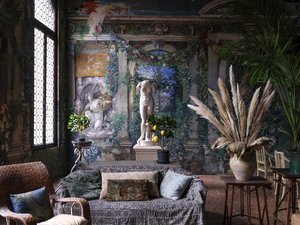 Palazzo Fortuny
Mariano Fortuny (1871-1949) was a Spanish artist & designer celebrated for innovative textiles, dresses inspired by history, and pioneering stage lighting. Explore his legacy!
The Palazzo Fortuny, now a museum dedicated to his life and work, stands as a testament to his enduring legacy. It’s not simply a display of his creations; it's an immersive experience – a journey into the mind of a true artistic visionary. The palazzo itself is a masterpiece, filled with eclectic collections of art, furniture, and textiles that reflect Fortuny’s diverse interests. Visitors can wander through rooms adorned with his iconic fabrics, marvel at his innovative lighting designs, and gain a deeper understanding of his creative process.
The museum offers a rare glimpse into the workshop where his magic unfolded – a space where artisans meticulously crafted textiles using techniques that remain largely unchanged today. It’s a place where history comes alive, where one can truly appreciate the dedication and skill involved in creating these timeless works of art. The Palazzo Fortuny is more than a museum; it's a living laboratory, continuing to inspire artists and designers with its unique blend of beauty, innovation, and craftsmanship.
Fortuny’s Enduring Legacy: Collectors, Contemporary Relevance & the Pursuit of Beauty
Today, Mariano Fortuny’s work continues to captivate collectors and enthusiasts around the world. His textiles are highly prized for their rarity, artistry, and historical significance – they represent not just a beautiful object but also a connection to a bygone era of craftsmanship and elegance. The demand for authentic Fortuny fabrics remains strong, with pieces fetching significant prices at auction.
His influence can be seen in the work of contemporary designers who continue to draw inspiration from his innovative techniques and timeless aesthetic. Fortuny’s legacy extends beyond fashion and design; it's a testament to the power of artistic synthesis – the ability to blend past glories with modern sensibilities, creating something truly unique and enduring. In an age of mass production and fleeting trends, Fortuny’s work reminds us of the importance of craftsmanship, individuality, and the pursuit of beauty. Explore the world of Mariano Fortuny at ArtsDot.com, where you can discover museum-quality reproductions of his iconic textiles and garments.