

The Rise of the Republic: Economic Prosperity and the Birth of a New Era
To understand the breathtaking brilliance of the Dutch Golden Age, one must first look toward the churning waters of the North Sea and the bustling docks of Amsterdam. The seventeenth century was not merely a period of artistic flourishing; it was an era of unprecedented geopolitical transformation. Following decades of grueling struggle for independence during the Eighty Years' War, the Dutch Republic emerged as a sovereign force, fueled by a maritime and commercial engine that would redefine global power. This was the age of the Dutch Miracle, where the establishment of modern financial practices—including the birth of stock exchange trading and joint-scale companies like the Dutch East India Company—created a level of mercantile prosperity previously unseen in Europe. As the Republic ascended to become a leading maritime power, its wealth flowed through the veins of its cities, creating a new class of patrons. Unlike the monarchies of France or the Catholic strongholds of Italy, where art was often commissioned by kings or the Church to project divine right and absolute power, the Dutch landscape was shaped by the merchant. This newfound economic stability provided the essential foundation for an artistic revolution, allowing for a culture that could support not just grand historical narratives, but the meticulous study of the world as it actually existed. The very air of the Netherlands seemed heavy with the scent of salt spray and the quiet hum of a nation finding its soul through trade and discovery.A Revolution of the Everyday: The Shift from Religious Iconography to Genre Painting
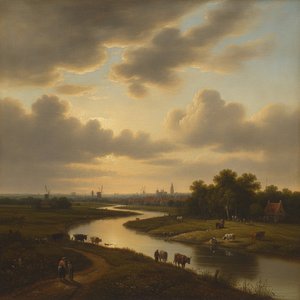
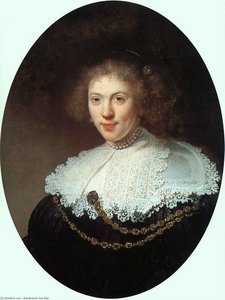
With the decline of Catholic influence in the northern provinces, the traditional demand for grand religious iconography underwent a profound metamorphosis. As the Dutch Republic moved away from monarchist and religious traditions, the canvas was liberated from the constraints of saints and martyrs. In their place arose a hunger for something far more personal—a mirror held up to the lives of the people themselves. This shift birtly genre painting, a movement that sought to elevate the mundane to the extraordinary. It was a revolution of the everyday, where the quiet dignity of a domestic moment could command as much reverence as any biblical epic. This new aesthetic found beauty in the overlooked. Artists began to focus on the textures of daily existence: the way light falls upon a pewter jug, the intricate patterns of a lace collar, or the subtle psychological depth within a shared glance. This era saw the rise of artists like Johannes Dircksz. van Oudenrogge, who utilized his training to capture the spirit of Dutch society with remarkable detail and insight. By turning their gaze toward the realities of merchants, craftsmen, and rural life, these masters created a democratic form of art that resonated with the very people who purchased it, making the profound beauty of the ordinary accessible to all.Mastering Light and Texture: Chiaroscuro and the Dutch Aesthetic
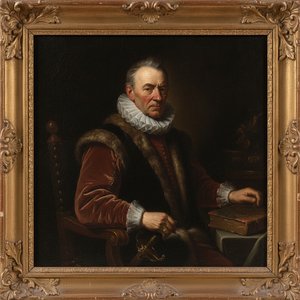
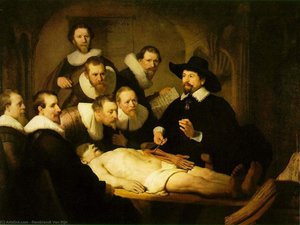
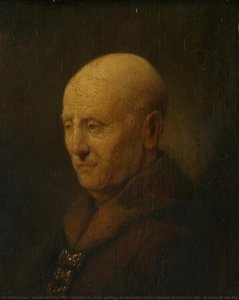
At the heart of this artistic flowering lay a technical obsession with light—a luminous dawn that seemed to emanate from within the canvases themselves. The Dutch masters possessed an almost supernatural ability to manipulate chiaroscuro, the dramatic interplay of light and shadow, to sculpt form and evoke emotion. This was not merely about visibility; it was about atmosphere. Through subtle tonal gradations, artists could create a sense of volume and presence that made figures appear to breathe within their dark, atmospheric backgrounds. Consider the works of Gerard ter Borch, particularly his captivating depictions of intimacy such as Le Duo: chanteuse et joueur de luth théorbé. In such scenes, the darkness of the interior serves a vital purpose: it heightens the visual impact of the central figures, allowing the soft northern light to catch the sheen of silk or the delicate curve of a musical instrument. This mastery extended to texture as well; the ability to render the tactile difference between heavy velvet, cold metal, and damp earth became a hallmark of the era. Even the most enigmatic figures, like Nicolaes Keyser, utilized a distinctive golden hue that allowed their portraits to shimmer with a life of their own, capturing the very essence of light and material.Maritime Ambition and Landscapes: Capturing the Spirit of a Global Power
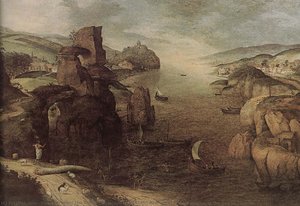 Landscape with Christ Appearing to the Apostles at the Sea of Tiberias
Discover Pieter Bruegel the Elder's 1553 masterpiece, 'Landscape with Christ Appearing to the Apostles at the Sea of Tiberias.' A stunning hand-painted reproduction showcasing detailed landscapes, serene mood, and Renaissance style.
The Intimate Interior: Domesticity, Order, and Social Values in Art
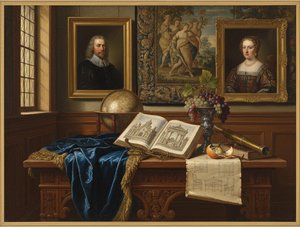
Beyond the grand vistas of the sea and the wide horizons of the landscape, much of the Golden Age's soul resided within the quiet confines of the Dutch home. The interior painting became a window into 17th-century domesticity, reflecting a society that deeply valued order, cleanliness, and industriousness. Works like Pieter Janssens Elinga’s Room in a Dutch House offer an intimate glimpse into this world, where sunlight streams through windows to illuminate the dust motes dancing above a meticulously arranged room. These paintings were carefully constructed tableaus that spoke volumes about societal roles and the sanctity of the domestic sphere. In these scenes, we observe a profound sense of stillness and introspection. The placement of furniture, the arrangement of tiles, and even the presence of a ticking clock all served to emphasize a life defined by stability and quiet labor. This focus on the domestic was not a retreat from the world, but rather an exploration of how global prosperity manifested in the smallest, most private corners of life. It celebrated the dignity of the household, presenting the home as a sanctuary of moral clarity and aesthetic grace, where the simple act of sweeping a floor or playing a lute could be elevated to a moment of spiritual significance.Legacy of the Masters: How the Golden Age Continently Inspires Modern Collectors
The legacy of the Dutch Golden Age is not confined to the halls of museums like the Rijksmuseum or the Mauritshuis; it lives on in the very way we perceive beauty and reality. The innovations of the 17th century—the democratization of subject matter, the psychological depth of portraiture, and the technical mastery of light—continue to serve as the foundational pillars of Western art. For the modern collector, these works offer more than historical interest; they provide a profound connection to a period when human creativity and economic ambition converged to create something truly transcendent. Today, we find ourselves still captivated by the ability of these masters to find the extraordinary within the ordinary. Whether through the study of a single pearl or the vastness of an Atlantic storm, the Dutch Golden Age teaches us that art is most powerful when it reflects our shared human experience. As we continue to admire and preserve these masterpieces, we do more than honor the past; we ensure that the luminous spirit of this era continues to illuminate our understanding of the world, reminding us that even in the simplest moment, there is a profound beauty waiting to be discovered.At ArtsDot.com, we are dedicated to preserving the legacy of the Old Masters. We specialize in providing museum-quality, hand-painted oil reproductions that allow you to bring the grandeur of the Dutch Golden Age into your own home. From the dramatic chiaroscuro of Rembrandt to the serene interiors of Vermeer, our master artists meticulously recreate every brushstroke and texture on 100% cotton canvas. Whether you seek a large-scale maritime masterpiece or an intimate genre scene, our collection is curated for the discerning history lover. Explore our gallery and transform your space with the timeless elegance of art history.