



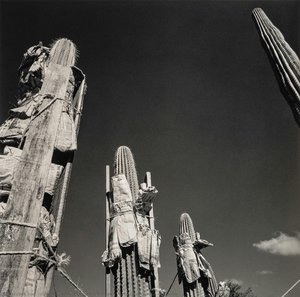
The Essence of Monochrome: Stripping Away Color to Reveal Form and Light
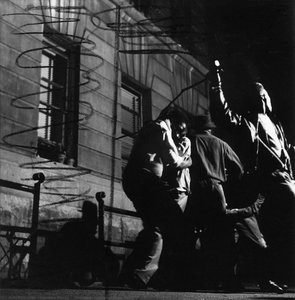
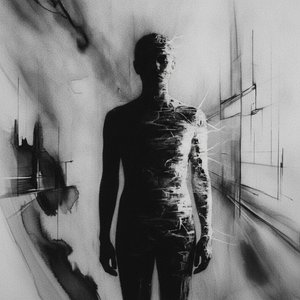
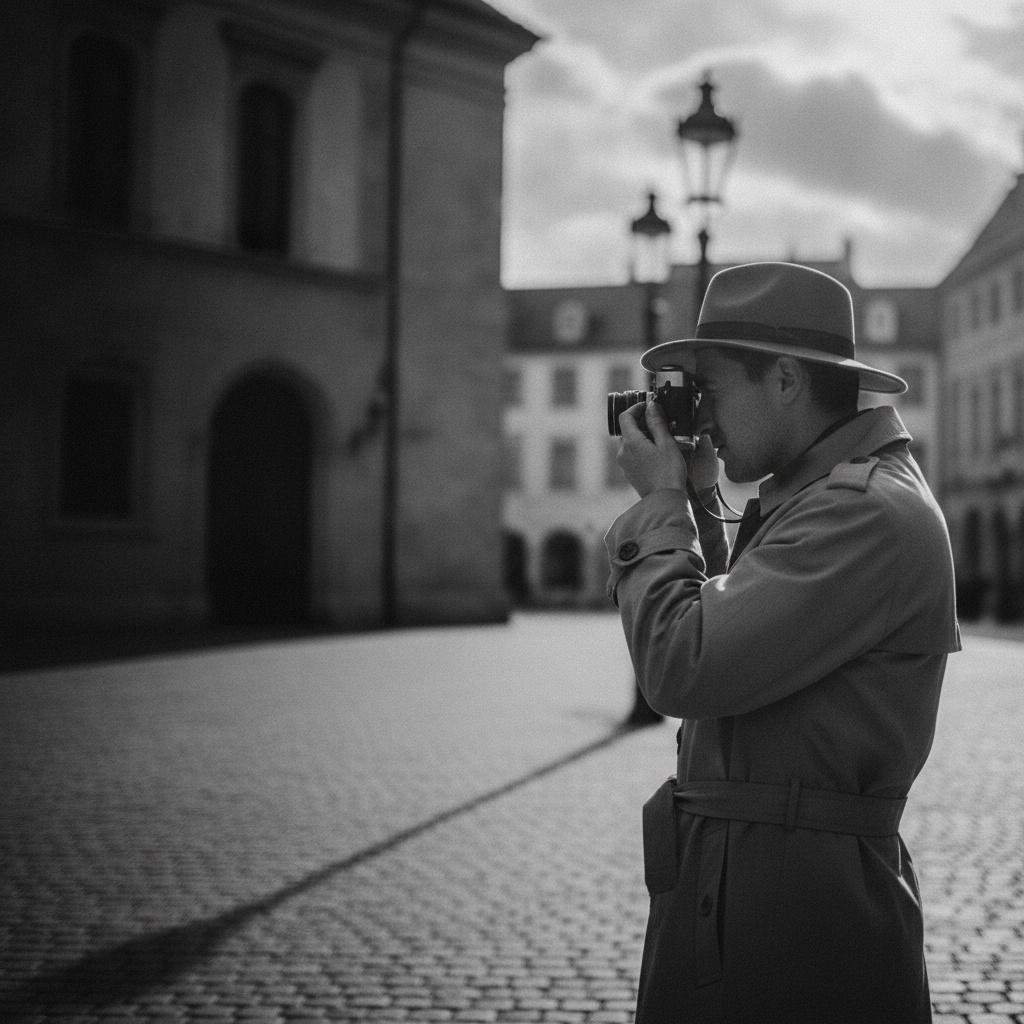
In a world often saturated by the relentless vibrance of high-definition color, there exists a profound, quiet strength in the absence of hue. Black and white photography is not merely a reduction of information; rather, it is a deliberate distillation of reality. By stripping away the distractions of chromatic variety, the photographer invites the viewer into a more intimate dialogue with the subject. Without the guidance of color to dictate where the eye should rest, one is forced to confront the fundamental building blocks of visual language: light, shadow, texture, and form.
This monochrome palette acts as a universal translator, transcending cultural and temporal boundaries to tap into a primal visual emotion. When we gaze upon a monochromatic landscape or portrait, we are not looking at what the subject looked like in a literal sense, but rather how the light felt at that precise moment. The absence of color allows for an intensified focus on the subtle gradations of grey, where a single highlight can possess the brilliance of a diamond and a deep shadow can hold the weight of an untold mystery. It is within this refined spectrum that the true essence of a subject—its soul, its character, and its structural integrity—is most clearly revealed.
A Historical Lens: From the Daguerreotype to the Golden Age of Film
 The Enduring Legacy of Fine Art Prints: Technique, History & Aesthetic Impact
The Genesis of Impression: Early Printmaking Techniques & Materials Wikipedia: Printmaking Printmaking is the process of creating artworks by printing, normally on paper, but also on fabric, wood, metal, and other surfaces. "Traditional printmaking" ...
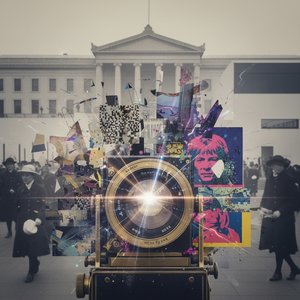
The history of photography is inextricably linked to the monochrome aesthetic, as the medium’s very origins were defined by the chemical limitations of the nineteenth century. The dawn of the photographic era, marked by the invention of the daguerreotype, presented a world captured in silvered tones, where every image was a singular, precious object. These early pioneers, such as Louis Daguerre, were not merely scientists but artists of light, navigating the complex chemistry required to fix an image onto metal or paper. This era established the foundational vocabulary of photography—the interplay of stark contrast and soft, ethereal highlights that would define the medium for generations.
As technology progressed through the late nineteenth and early twentieth centuries, the development of various printing processes allowed for a broader dissemination of photographic art. From the delicate, warm tones of albumen prints to the robust textures of later film eras, the evolution of the medium was a journey of increasing control over the image. The "Golden Age" of photography saw the rise of masters who utilized these historical foundations to create works that were both documentary and deeply poetic. Even as color photography emerged as a dominant force in the mid-twentieth century, the monochrome tradition remained a conscious, prestigious choice for artists seeking to elevate photography from mere documentation to the realm of high art.
Mastering the Tonal Range: The Alchemy of Gelatin Silver and Albumen Printing
 evelyn grace hartley
Evelyn Grace Hartley: A Pioneer of Photographic Portraiture Evelyn Grace Hartley (1922 – 2009), born in Marburg, Germany, stands as a singular figure within the landscape of twentieth-century art photography. Her unwavering dedication to mastering ge...
To the discerning collector, the true magic of black and white photography often resides in the physical chemistry of the print itself. The mastery of gelatin silver and albumen printing represents a pinnacle of photographic alchemy. These processes are far more than technical procedures; they are methods of sculpting light through chemical manipulation. Albumen printing, characterized by its smooth surface and rich, sepia-toned highlights, requires an exquisite understanding of how light interacts with egg-white-based emulsions. It produces a luminous quality that feels both antique and eternally present.
In contrast, the gelatin silver process—a cornerstone of twentieth-century art photography—offers a much broader and more dramatic tonal range. Artists like Evelyn Grace Hartley demonstrated an unparalleled dedication to this medium, mastering the ability to manipulate negatives to produce prints with deep, velvety blacks and brilliant, crisp whites. This technique demands immense patience and precision, as each print is built through layers of chemical development and fixing. The resulting images possess a tactile, organic quality; the grain of the silver halides provides a texture that digital pixels can rarely replicate, lending a sense of weight and permanence to every captured moment.
Chiaroscuro in Photography: Drawing Inspiration from the Old Masters
The aesthetic power of black and white photography finds its most profound intellectual roots in the classical traditions of painting. Specifically, the concept of chiaroscuro—the dramatic interplay between light and dark—serves as a guiding principle for the greatest monochrome photographers. This technique, perfected by Renaissance and Baroque masters such as Rembrandt and Vermeer, uses extreme contrasts to create a sense of three-dimensionality and psychological depth. When applied to photography, chiaroscuro transforms a flat image into a sculptural experience.
By utilizing deep shadows to obscure parts of the subject, the photographer creates a sense of mystery and invites the viewer's imagination to fill in the voids. This method does more than just define shape; it directs the emotional narrative. A single beam of light falling across a face or a weathered landscape can evoke feelings of sanctity, loneliness, or triumph. In this way, black and white photography acts as a bridge between the eras, utilizing the same visual logic that has moved audiences for centuries through oil on canvas, proving that the language of light is truly timeless.
The Modern Monochrome: Preserving Timelessness in a Digital Era
 lee, gap-chul
Lee Gap-chul: A Voice of Rural Korea Born in Hapcheon, South Korea, in 1994, Lee Gap-chul’s artistic journey began amidst the quiet beauty and enduring traditions of his homeland. While relatively young in the contemporary art world, his work – parti...
In our contemporary digital landscape, where high-resolution color is ubiquitous, the choice to work in black and white remains a powerful artistic statement. Contemporary photographers, such as Lee Gap-chul, continue to utilize traditional processes like gelatin silver to capture the evocative beauty of landscapes and the quiet dignity of human life. The use of monochrome in the modern age is rarely a limitation; rather, it is a sophisticated tool used to emphasize texture, pattern, and the emotional core of a subject without the "noise" of color.
For the art enthusiast and collector, preserving this legacy means appreciating both the historical masters and the contemporary innovators who keep the monochrome tradition alive. Whether through the acquisition of museum-quality reproductions or the commissioning of custom works, the pursuit of black and white art is a pursuit of the eternal. At ArtsDot.com, we celebrate this enduring legacy by offering exquisite reproductions that honor these profound techniques. From the heavy, textured brushstrokes of an oil painting to the precise, archival accuracy of a fine art Giclée print, our mission is to ensure that the timeless power of light and shadow remains accessible to collectors worldwide, preserving the essence of human creativity for generations to come.