The Golden Age of Carriage: Social Prestige and the Art of Transportation
 Coach (carriage)
Coaches are horse-drawn carriages which are large, enclosed, four-wheeled, pulled by two or more horses, and controlled by a coachman or postilion (riders). If driven by a coachman, there is a raised seat in front for a coachman called a box, box sea...
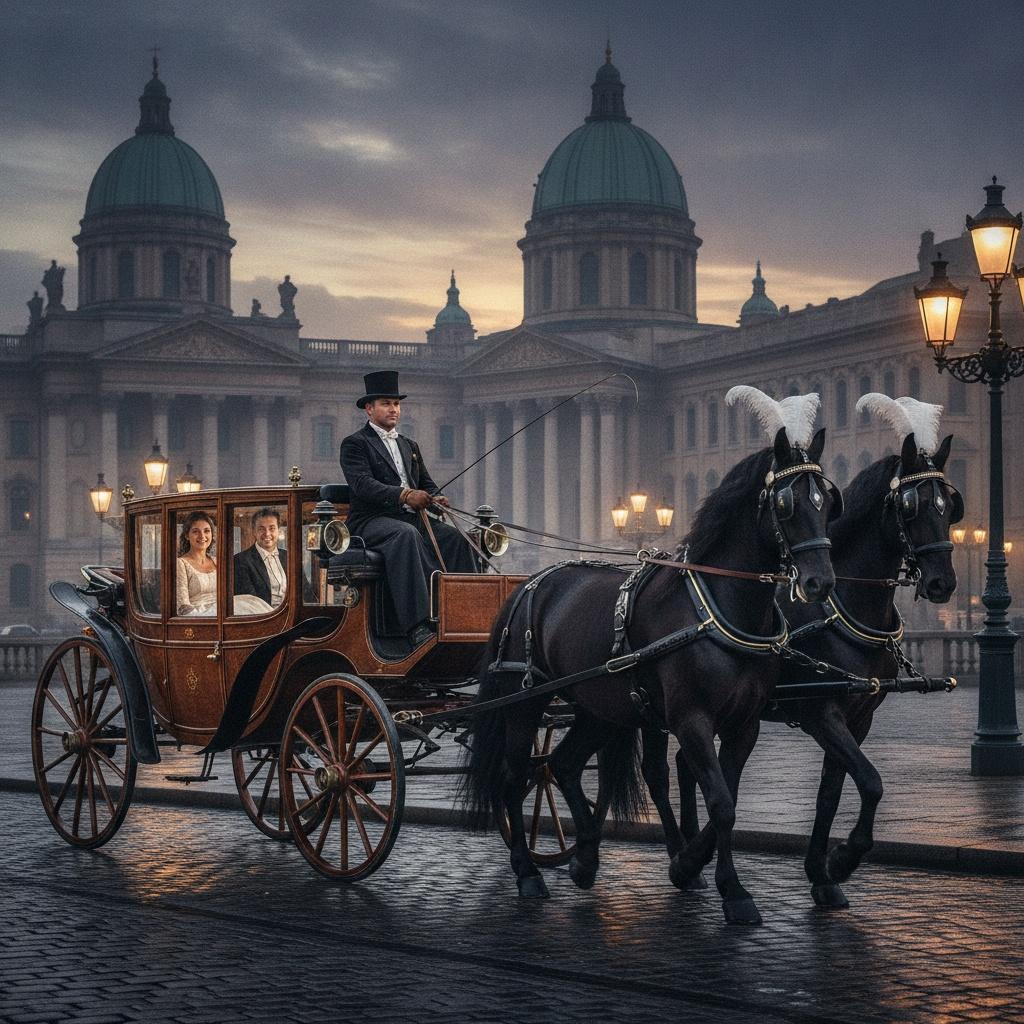
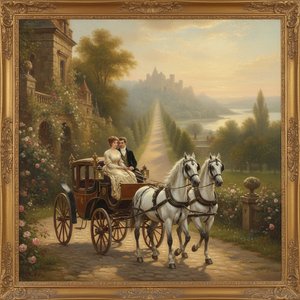
To traverse the roads of the nineteenth century was to participate in a carefully choreographed display of social distinction and meticulous craftsmanship. The era of the horse-drawn carriage was far more than a mere chapter in the history of transportation; it was a golden age defined by an unparalleled sense of prestige. During this period, the vehicle one occupied served as a profound statement of status, reflecting the owner's refinement and place within the social hierarchy. From the grand, ornate state coaches used for royal processions to the more intimate private drags used for sporting pleasure, every element of carriage design was imbued with meaning.
The distinction between various types of vehicles revealed much about the rhythm of daily life. The
coach, a large, enclosed, four-wheeled vessel pulled by multiple horses, represented the pinnacle of long-distance travel and official ceremony. In contrast, the lighter, more agile
drag was engineered specifically for the thrill of driving club activities, often painted in somber, elegant tones to emphasize its sporting purpose. Even the humble
stagecoach, which operated on fixed schedules to transport mail and passengers, played a vital role in connecting burgeoning nations. This era of mobility was a symphony of craft, where the mechanical met the aesthetic, creating a world where movement itself was an art form.
Mastering the Equine Form: The Technical Brilliance of Classical Oil Painting
 Timeless Elegance: A Visual Journey Through the Romance of Horse Carriage Artworks
The Equestrian Spirit: Capturing Power and Grace in Classical Oil Painting To gaze upon a classical equestrian portrait is to witness a profound dialogue between strength and vulnerability. There is an inherent nobility in the equine form, a biologic...
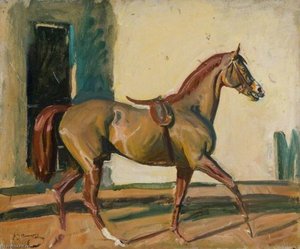
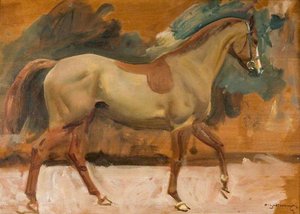
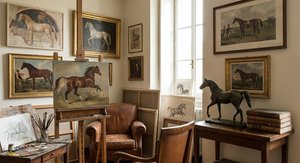
In the realm of fine art, the depiction of the horse has always transcended mere representation, evolving into a profound dialogue between strength and vulnerability. To gaze upon a classical equestrian portrait is to witness the artist's attempt to capture the very essence of vitality. The challenge for the master painter lies not merely in documenting the complex anatomy of the animal, but in capturing the subtle tension within a muscle, the rhythmic breath held in a quiet moment, and the untamed spirit that resides behind a steady eye.
Masterworks such as those by
Jean-Louis Meissonier serve as quintessential examples of this pursuit. Through expressive realism and meticulous attention to detail, these artists allow us to feel the weight of the animal's presence. The interplay of light across a glossy coat, the deliberate placement of shadows to define powerful musculature, and the use of fine, precise brushwork all contribute to a sense of living history. When we observe these portraits, we are not just looking at an animal; we are experiencing a curated moment of biological splendor, frozen in time through the medium of oil and canvas. It is this dedication to anatomical truth and atmospheric depth that allows these works to remain timelessly captivating for collectors and historians alike.
Impressionistic Motion: Capturing the Vitality of the Race and the Countryside
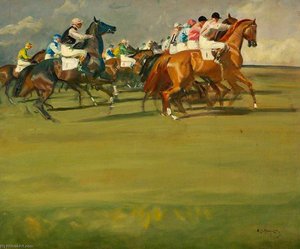
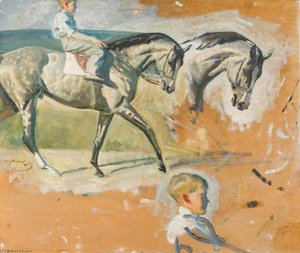
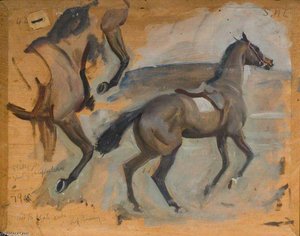 Study For 'start Of A Steeplechase'
Subject and Composition This captivating artwork captures the exhilarating moment at the start of a steeplechase, a classic and dynamic horse racing event. Centered around three powerful horses, the composition conveys a sense of movement, anticipati...
As art transitioned from the rigid precision of academic realism toward the emotive freedom of Impressionism, the depiction of horses underwent a breathtaking metamorphosis. No artist embodied this shift more eloquently than
Sir Alfred James Munnings. For those who cherish the romance of the horse, Munnings’ work offers a sensory experience that goes far beyond sight. His paintings do not merely show a horse; they evoke the scent of damp earth, the sound of thundering hooves, and the warmth of sunlight filtering through a summer haze.
In works such as
Study for 'Start of a Steeplechase', one can witness the artist’s mastery of movement. Using loose, gestural brushwork, Munnings emphasizes the vitality and muscularity of the horses, immersing the viewer in the raw energy of the race. His technique prioritizes capturing the fleeting essence of the moment over fine detail, employing quick, expressive strokes that suggest the rush of wind and the intense focus of the riders. Similarly, in his more tranquil landscapes, such as
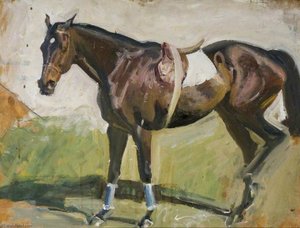
A Dark Bay Horse in a Landscape, the boundaries between animal and environment blur into a singular, harmonious existence. Through an impressionistic lens, the English countryside becomes an immersive experience, where the rhythm of agricultural life is captured with profound authenticity.
Craftsmanship in Wood and Steel: The Legacy of Legendary Carriage Makers
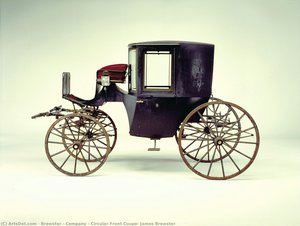 Brewster & Company
The Legacy of Brewster & Company: Pioneering Carriages and the Dawn of Automotive Excellence Brewster & Company, a name synonymous with luxury and innovation in transportation, stands as a testament to American craftsmanship during the 19th and early...
The history of the horse-drawn era is also a vibrant reflection of humanity's evolving relationship with commerce and industry. The story of companies like the
Terre Haute Carriage & Buggy Company is more than just a chronicle of wheelwrights and blacksmiths; it is a narrative of how craftsmanship shaped the social landscape of a rapidly expanding nation. In the heartland of America, such firms rose to prominence by providing the essential tools for connection, creating sturdy work wagons that could withstand the rigors of dirt tracks and rugged terrain.
In the more affluent corridors of New York,
Brewster & Company stood as a paragon of luxury and innovation. Founded in 1810, Brewster specialized in constructing fashionable carriages for the city’s elite, catering to a discerning clientele of merchants and bankers who demanded transportation that doubled as a statement of refinement. The legacy of such makers is particularly poignant because it bridges the gap between the horse-drawn era and the dawn of the automotive age. As the internal combustion engine emerged, these masters of chassis construction and body design were among the first to transition into automobile manufacturing, proving that the principles of exquisite craftsmanship are truly timeless.
The Enduring Spirit: How Equestrian Masterpieces Bridge History and Modern Emotion
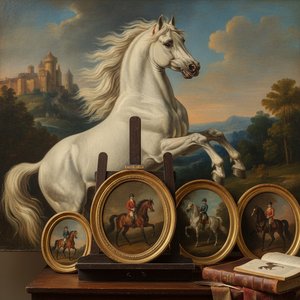 Equestrian Elegance: Discovering the Timeless Majesty of Masterpiece Horse Paintings
The Eternal Bond: A Historical Journey Through Equine Artistry The Equine Muse: A Historical & Artistic Exploration of Horses in Painting Ancient Origins: Horses as Symbols of Power and Myth Wikipedia: Horses in art Horses have appeared in works of a...
Today, the legacy of these magnificent works lives on, not merely as museum artifacts, but as enduring symbols of a vanished world. The equestrian spirit—that unique blend of power and grace—continues to resonate within the human imagination. Whether through the monumental scale of a landscape fresco or the intimate detail of a small oil study, these paintings allow us to revisit an era where the bond between man and beast was the very foundation of civilization.
At
ArtsDot.com, we believe that this history should be accessible to all who seek to surround themselves with beauty and meaning. We specialize in creating high-quality, hand-painted reproductions that honor the academic excellence of these masters. Our artists, holders of prestigious Fine Arts degrees, use 100% cotton canvas and traditional oils to ensure that every visible brushstroke and tonal depth is preserved. Whether you wish to possess a piece reminiscent of Munnings' impressionistic energy or a classical portrait in the style of Meissonier, our service allows you to bring the majesty of art history into your own home. From custom "period shifts" to large-scale architectural murals, we invite you to become a custodian of this enduring elegance.