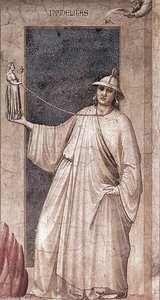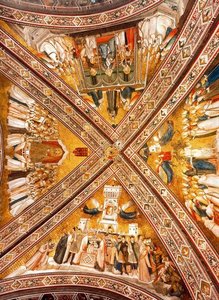
![Legend Of St Francis - [03] - Dream Of The Palace — Đijoto Di Bondone](/media/artworks/images-thumb/47/85/4785472aa265f95fe6962555859f4ab5.jpg)

The Dawn of a New Era: From Romanesque Shadows to Gothic Light
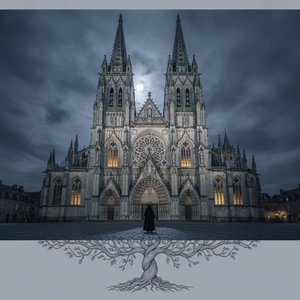 Shadows & Splendor: A Journey Through the Soul of Gothic Art and Architectural Grandeur
The Divine Ascent: From Romanesque Shadows to Gothic Light The Shadow of Faith: Exploring Gothic Art's Spiritual Intensity & Architectural Innovation The Birth of Gothic: From Romanesque Roots to a New Spiritual Vision Wikipedia: Gothic architecture ...
However, as the twelfth century progressed, a radical transformation began to stir within the heart of Europe, particularly in the Îlt-de-France. This was not merely a change in masonry but a fundamental shift in human consciousness and theological vision. The heavy shadows of the Romanesque gave way to a new spiritual ambition—one that sought to bridge the gap between the earthly and the eternal through the medium of light. As scholastic philosophy flourished, architects began to move away from the squat, defensive silhouettes of the past, reaching instead for a luminous theology where light itself was viewed as a divine presence. This transition marked the birth of the Gothic, an era where the boundaries of stone seemed to dissolve, allowing the soul to ascend toward the heavens.
Engineering the Divine: The Structural Innovations of the High Middle Ages
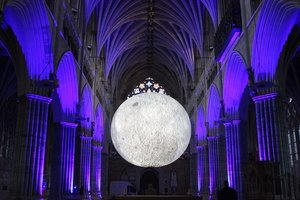 Exeter Cathedral
A Tapestry of Stone and Spirit: The Majesty of Exeter Cathedral Rising majestically from the heart of Devon, Exeter Cathedral stands as a breathtaking embodiment of faith, artistry, and human resilience. It is far more than a mere religious edifice; ...
Complementing the pointed arch were the flying buttresses and ribbed vaults, which together formed a skeletal framework that revolutionized medieval construction. By transferring the outward thrust of the heavy roof to external supports, architects could strip away the thick, load-bearing walls of the previous era. This allowed for the creation of expansive, soaring spaces that felt weightless. At Exeter Cathedral in Devon, this engineering prowess is nowhere more evident than in its magnificent vaulted ceiling—the longest uninterrupted medieval stone vaulted ceiling in the world. Such feats of ingenuity transformed heavy stone into a rhythmic, flowing canopy, proving that through technical mastery, the physical world could be made to reflect the ethereal beauty of the divine.
Luminous Theology: Stained Glass and the Architecture of Sacred Light
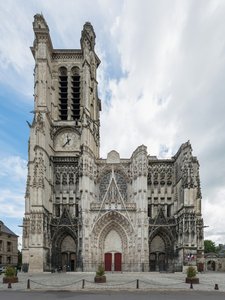 Cathedral
A Journey Through Faith and Artistic Brilliance: Exploring the Cathedral of Troy The Cathedral of Troy, nestled in the picturesque Puglia region of Italy, transcends mere architectural structure; it embodies centuries of spiritual devotion interwoven...
Consider the Cathedral of Troy in the Puglia region, where a magnificent rose window floods the nave with an ethereal, kaleidoscopic glow. These windows were not merely decorative; they were visual scriptures for a largely illiterate population, telling stories of saints and biblical events through intricate patterns and brilliant hues. The light filtering through these colored panes transformed the atmosphere of the cathedral, creating a mesmerizing spectacle that felt like entering a piece of heaven on earth. This mastery of light is something we strive to honor at ArtsDot.com; when our artists create hand-painted oil reproductions, they utilize meticulous glazing techniques and deep tonal ranges to capture that same sense of luminous depth and spiritual intensity found in these medieval masterpieces.
Sculpted Narratives: The Human Spirit in Medieval Stone and Ornamentation
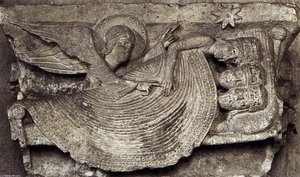 Dream of the Magi
Discover 'Dream of the Magi' by Gislebertus, a stunning 12th-century Romanesque sculpture from Autun Cathedral. Explore Gothic art & medieval history.
This evolution toward naturalism and human emotion can be traced through various regional workshops across Europe:
- The Ptujska Gora Workshop: A beacon of 15th-century Slovenian Gothic sculpture, where the use of sandstone allowed for intricate, serene details in figures like St. Barbara.
- The Catalan Influence: Sculptors such as Pere Oller brought an increasingly refined emotionality and naturalism to the landscapes of 14th and 15th-century Spain.
- The Master of the Aix Annunciation: A figure representing the pinnacle of Gothic panel painting, where meticulous detail and theological contemplation meet.
A Legacy in Stone: Surveying Europe's Most Iconic Gothic Cathedrals
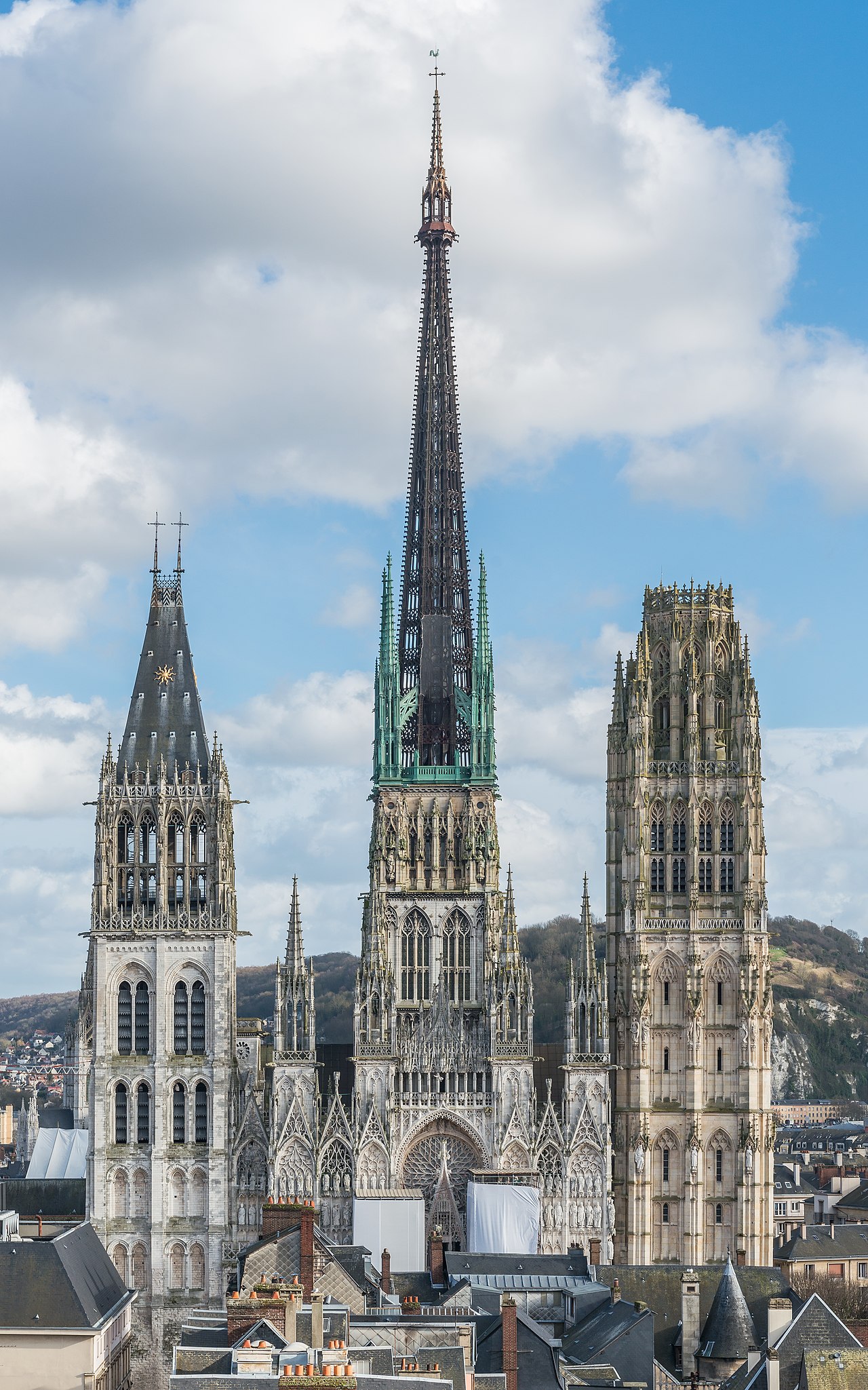 Rouen Cathedral
Rouen Cathedral (French: Cathédrale primatiale Notre-Dame de l'Assomption de Rouen) is a Catholic church in Rouen, Normandy, France. It is the see of the Archbishop of Rouen, Primate of Normandy. It is famous for its three towers, each in a different...
While we cannot physically rebuild the soaring vaults of Exeter or the radiant rose windows of Troy, we invite you to bring the majesty of this era into your own home. At ArtsDot.com, we specialize in creating museum-quality, hand-painted oil reproductions that capture the very essence of art history. Our artists, all holders of prestigious Fine Arts degrees, work on 100% cotton canvas to ensure every brushstroke and textural depth is preserved. Whether you desire a faithful reproduction of a medieval masterpiece or wish to "remix" history by having a modern portrait painted in a Gothic-inspired style, our Project Coordinators are here to guide you through a seamless, professional process. From the initial digital mockup to the final delivery via DHL or FedEx, we ensure that your piece of history is as enduring and magnificent as the cathedrals themselves.