
The Dawn of the Lens: Photography's Quest for Artistic Legitimacy
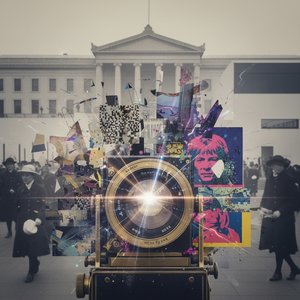
In the mid-to-late nineteenth century, a profound tension gripped the burgeoning world of visual culture. As the camera became increasingly accessible, a heated debate erupted within the hallowed halls of art academies: could a machine-driven process truly be considered an art form? To many critics of the era, photography was merely a mechanical recording of reality—a clinical, uninspired documentation of facts that lacked the "soul" and subjective interpretation inherent in painting. This period of skepticism set the stage for a revolutionary rebellion, as a group of visionary practitioners sought to prove that the lens could do far more than capture light; it could capture emotion, atmosphere, and the very essence of human experience.
This struggle for legitimacy was not merely about technology, but about the definition of creativity itself. The pioneers of this era were determined to move beyond the "snapshot" and toward the "composition." They sought to distance themselves from the purely scientific applications of the camera, yearning instead for a medium that allowed for the same expressive freedom found in the works of the Old Masters. This movement, which would eventually be known as Pictorialism, was born from this very desire to bridge the gap between the mechanical and the manual, between the objective eye and the subjective heart.
The Pictorialist Aesthetic: Soft Focus, Texture, and the Painterly Ideal
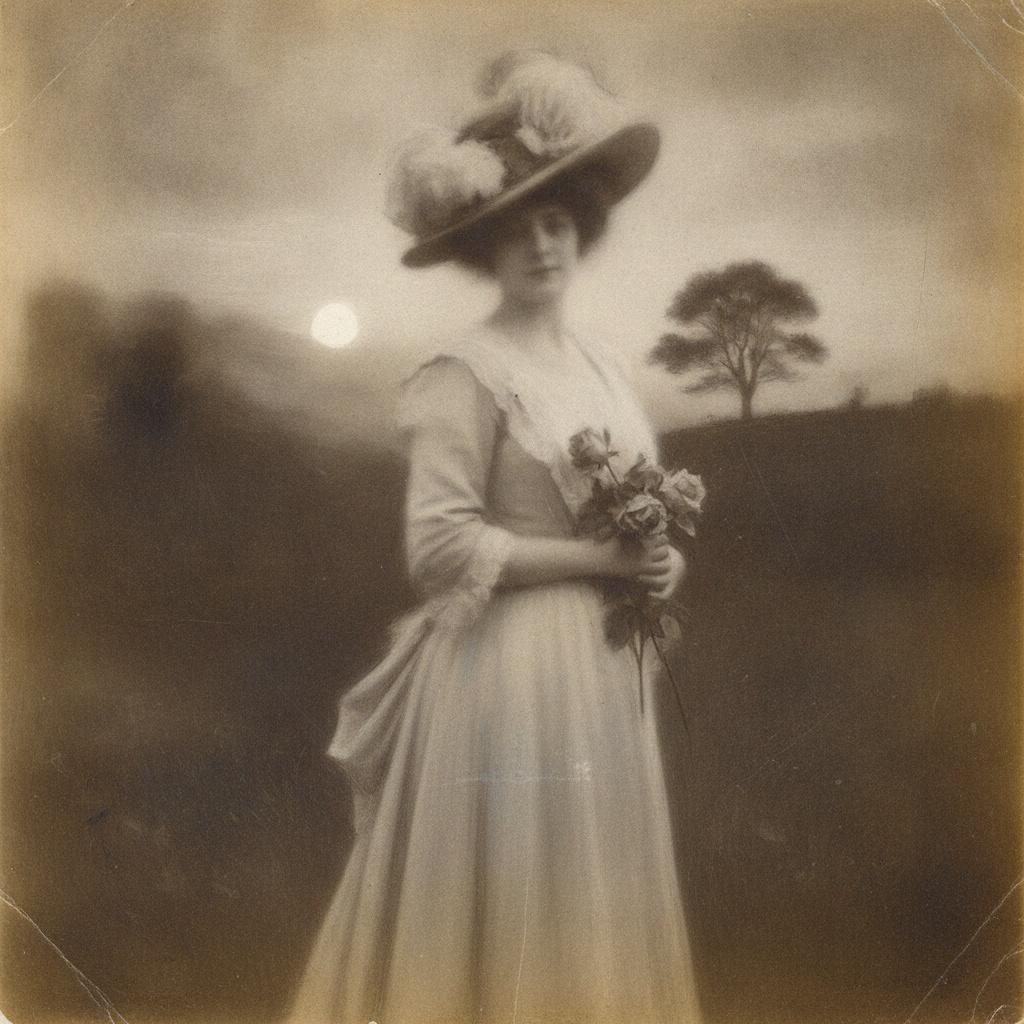
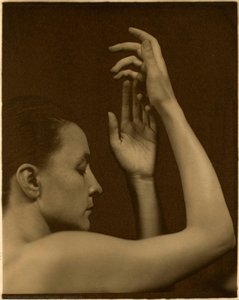
To achieve the status of fine art, Pictorialists intentionally abandoned the sharp, clinical clarity that characterized early scientific photography. Instead, they embraced a painterly aesthetic, utilizing techniques that mimicked the soft edges and rich textures of Impressionist and Tonalist paintings. By employing deliberate soft focus, manipulating light to create dramatic chiaroscuro, and experimenting with various printing processes, these artists created images that felt dreamlike, evocative, and deeply atmospheric.
The goal was never to present a literal transcription of a scene, but rather an interpretation of it. Through the use of heavy grain, blurred contours, and manipulated tonal ranges, the Pictorialist photographer could direct the viewer's eye toward mood rather than detail. This emphasis on atmosphere over accuracy allowed the photograph to function as a window into a psychological landscape. The textures achieved through complex darkroom manipulations—often resembling charcoal drawings or watercolor washes—served as a tactile reminder of the artist's hand, further eroding the argument that photography was a purely mechanical endeavor.
Masters of Light and Shadow: From Alfred Stieglitz to Jan Brunon Bułhak
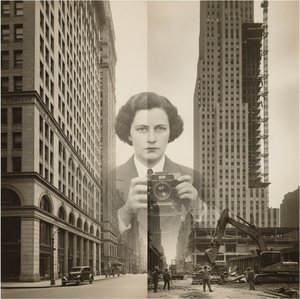
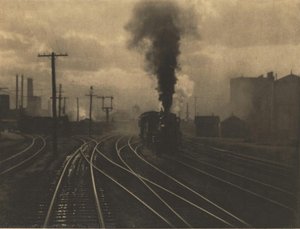
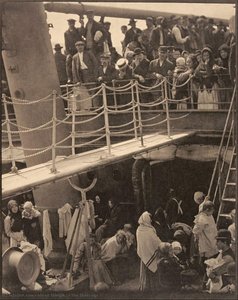
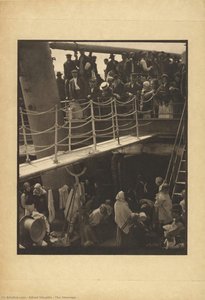
The movement found its most formidable champions in figures who acted as both creators and curators. Perhaps no name is more synonymous with this era than Alfred Stieglitz. A titan of American modernism, Stieglitz utilized his influential publications and galleries to champion photography as a serious medium. His iconic works, such as The Steerage (1907), demonstrated how the arrangement of shapes, lines, and shadows could elevate a mundane scene of immigrant life into a profound modernist masterpiece. Even in his more traditional Pictorialist phases, such as in Old & New York, his mastery of the wet plate collodion technique showcased an innovative marriage of technical skill and urban drama.
The reach of Pictorialism was truly global, finding echoes in the works of artists like Jan Brunon Bułhak, often revered as the "father of Polish photography." Bułhak’s ability to capture the sweeping landscapes of Vilnius with a sense of historical weight and poetic stillness mirrored the movement's international spirit. Similarly, the evocative interiors captured by photographers such as Ödön Békei demonstrated how the movement could transform domestic spaces into stages for light and shadow. These masters did not merely take pictures; they constructed visual narratives that demanded the same respect afforded to the finest oil paintings.
Technical Alchemy: The Chemistry and Craft Behind the Image
While the finished images often appeared ethereal and soft, the process of creating them was one of rigorous, almost alchemical, complexity. Pictorialism relied heavily on the mastery of specialized printing processes, such as the gum bichromate, platinum, and bromoil methods. These were not simple "point-and-print" operations; they required the artist to physically manipulate the emulsion during development. In a gum bichromate print, for instance, an artist might use brushes to wash away certain pigments, literally painting with light and chemistry to achieve specific textures.
This level of manual intervention was crucial to the movement's success. It allowed the photographer to introduce impasto-like textures and tonal variations that were impossible through standard silver gelatin processes. The labor-intensive nature of these techniques—involving delicate layers of light-sensitive gums, pigments, and acids—ensured that each print was a unique object of art. This technical depth provided the ultimate defense against the charge of mechanical reproduction; when an artist could physically alter the print to reflect their vision, the photograph became a handcrafted masterpiece.
The Enduring Legacy: How Pictorialism Shaped Modern Visual Culture
Though the movement eventually gave way to the "Straight Photography" of the mid-20th century—which embraced sharp focus and unmanipulated reality—the legacy of Pictorialism remains deeply embedded in our visual DNA. It established the fundamental principle that the artist's intent is paramount, and that the medium is merely a tool for expression. The movement successfully broke the barriers between photography and fine art, paving the way for the diverse photographic landscape we inhabit today.
Today, we see the echoes of Pictorialism in everything from contemporary fine-art portraiture to the atmospheric cinematography of modern film. The movement taught us to look beyond the surface of a subject to find its emotional resonance. For those who appreciate the profound depth of historical aesthetics, the spirit of Pictorialism continues to inspire a reverence for texture, light, and the timeless beauty of the monochrome vision.
At ArtsDot.com, we celebrate the enduring power of these historical movements. While the masters of Pictorialism worked with light and chemistry, our artists work with oil and canvas to bring the world's most iconic imagery into your home. Whether you seek a high-quality museum-grade print or a bespoke, hand-painted oil reproduction that captures the very texture of history, we invite you to explore our curated collection of masterpieces. Discover how a single image can transform a space, much like the visionaries of the past transformed the world.