The Eternal Impulse: Understanding the Purpose of Sacred Imagery in Human History
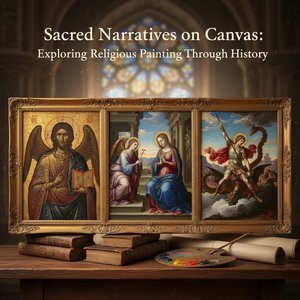
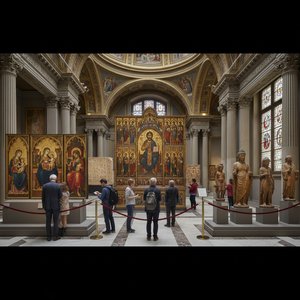 Sacred Narratives Embodied: A Comprehensive Exploration of Religious Iconography in Art History
The Genesis of Sacred Imagery: Early Religious Art & Its Purpose Wikipedia: Religious art Religious art is a visual representation of religious ideologies and their relationship with humans. Sacred art directly relates to religious art in the sense t...
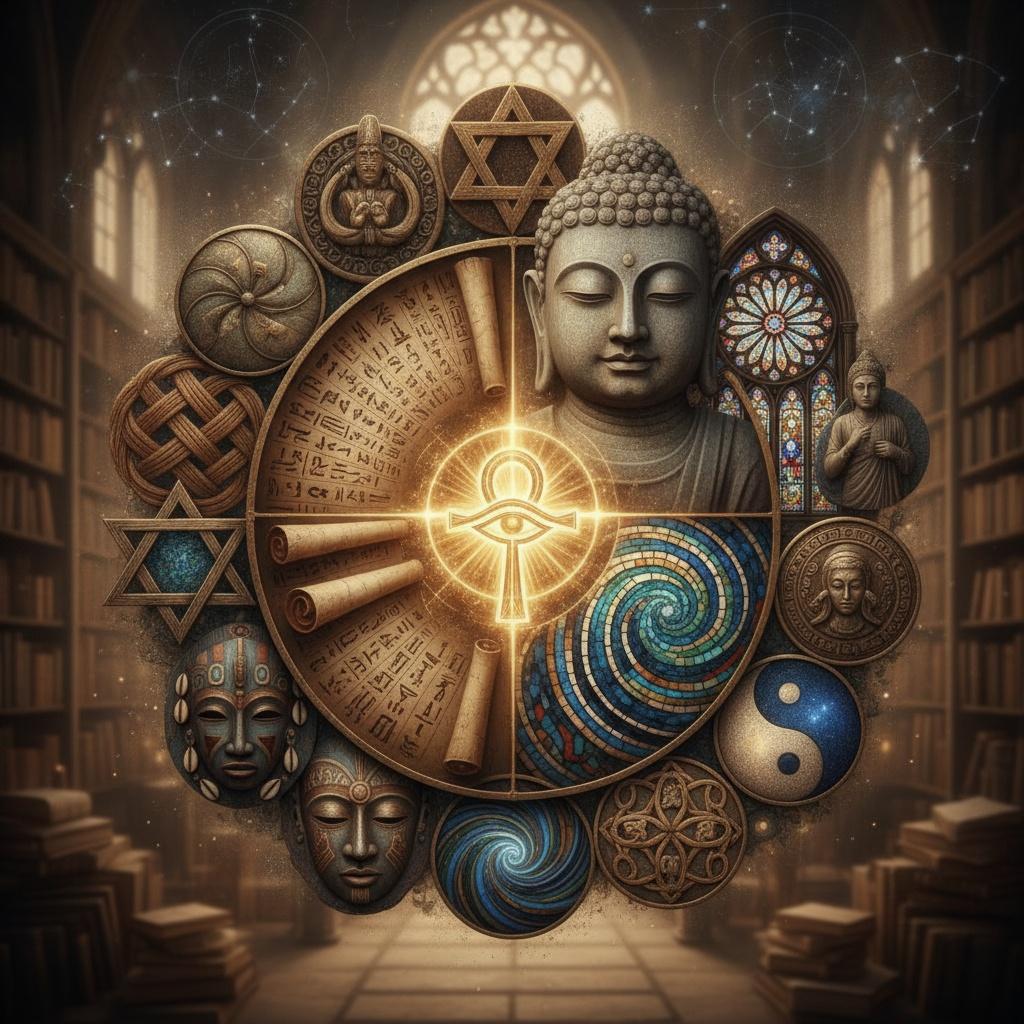
From the very dawn of human consciousness, there has existed a primal, unyielding impulse to externalize the unseen. Long before the first written languages codified complex belief systems, our ancestors sought to bridge the gap between the earthly and the divine through the medium of art. These earliest expressions—Neolithic figurines embodying fertility or cave paintings depicting animal spirits—were far more than mere decoration; they were
potent vehicles for communicating with a world beyond our comprehension. As civilizations coalesame, this foundational desire evolved into sophisticated religious art, where images served as essential components of ritual and worship. In ancient Egypt, monumental sculptures intertwined the authority of pharaohs with divine power, while in Mesopotamia, votive figures offered tangible pleas to the gods. This sacred art was never intended for passive observation; it was designed to be
imbued with spiritual energy, acting as a conduit for prayer, a vessel for devotion, and a window into the eternal.
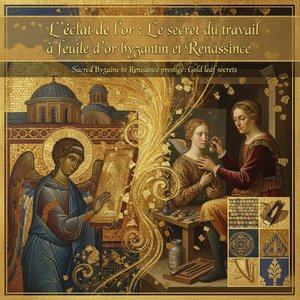
The Alchemy of Light: Gold Leaf, Halos, and the Radiance of Byzantine Iconography
 Gold Leaf & Gilding: The Sacred Art of Byzantine and Renaissance Masterpieces
The Alchemy of Divinity: Gold as the Flesh of the Gods The Sacred Glow: Mastering Gold Leaf and Gilding in Byzantine Art The Alchemy of Divinity: Gold as the Flesh of the Gods The Allure of Gold in Art History: Symbolism, Technique & Cultural Signifi...
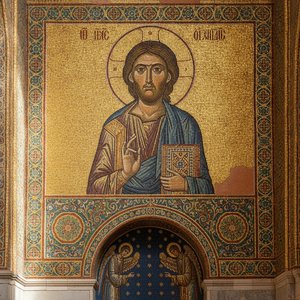
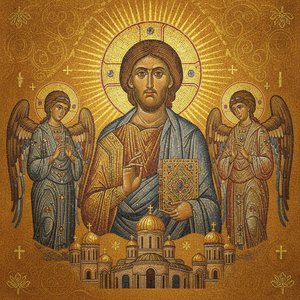
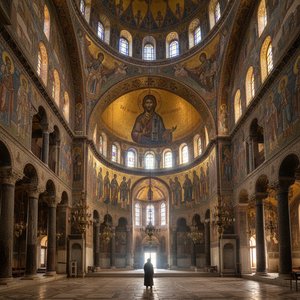
To step into the world of Byzantine art is to perform an act of transcendence, leaving the heavy, mundane world behind to enter a realm of pure, unadulterated radiance. This era, characterized by its
golden standard, utilized light not merely as an aesthetic choice but as a theological statement. The use of gold leaf and shimmering mosaics was intended to create a celestial phenomenon within physical form, where gold acted as the very "flesh of the gods." Within this luminous tradition, we encounter the profound spiritual architecture of masters like
Theophanes the Greek, whose work bridged the final flourishing of Byzantium with the burgeoning traditions of Russia. The iconography of this period relied heavily on the
nimbus or halo—a crown of light rays or a circular glow surrounding sacred figures to indicate their holiness. Whether through the intricate detail of tempera on wood or the breathtaking brilliance of mosaics, Byzantine art sought to capture a sense of divine grace, using light to dissolve the boundaries between the viewer and the heavens.
From Icon to Humanism: The Transition from Stylized Devotion to Renaissance Naturalism
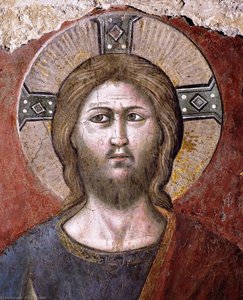 The Last Judgement (detail) (16)
A Glimpse into the Divine: The Soul of Roman Naturalism In the quiet intensity of The Last Judgement (detail) (16) , we encounter a moment of profound spiritual confrontation. Created around 1290 by the master Pietro Cavallini , this fragment serves ...
As the centuries progressed, the rigid, stylized forms of the Byzantine and Gothic traditions began to encounter a new, burgeoning interest in the natural world. This period of profound innovation saw artists moving away from the flat, distant icons toward a more intimate, humanistic approach. We see the early stirrings of this transformation in the works of
Pietro Cavallini, whose Roman Naturalism introduced a startling intimacy and a sense of three-dimensional space that challenged the traditional iconographic style. This evolution reached a breathtaking zenith in the Florentine Renaissance with masters such as
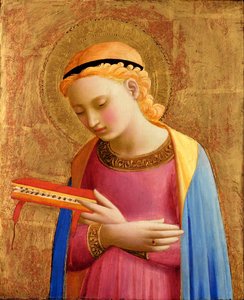
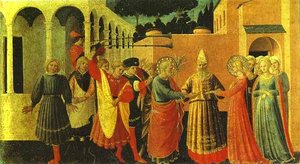
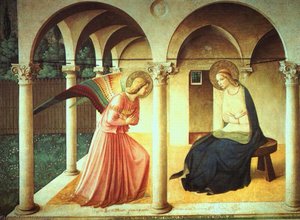
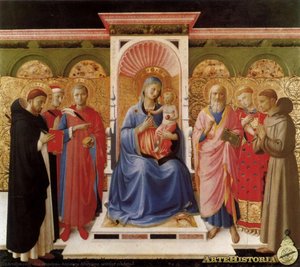
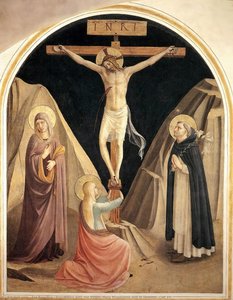
Fra Angelico. Known as the "Soul of Florentine Art," Fra Angelico maintained a deep monastic devotion, yet his technique—perfecting tempera paint on gesso panels—allowed for an ethereal beauty and a luminous, serene quality that felt profoundly alive. This era marked a pivotal shift where religious narratives began to incorporate
human emotion, anatomical precision, and realistic landscapes, creating a dialogue between the divine subject and the human experience.
A Visual Lexicon: Decoding the Symbols and Allegories of Religious Masterpieces
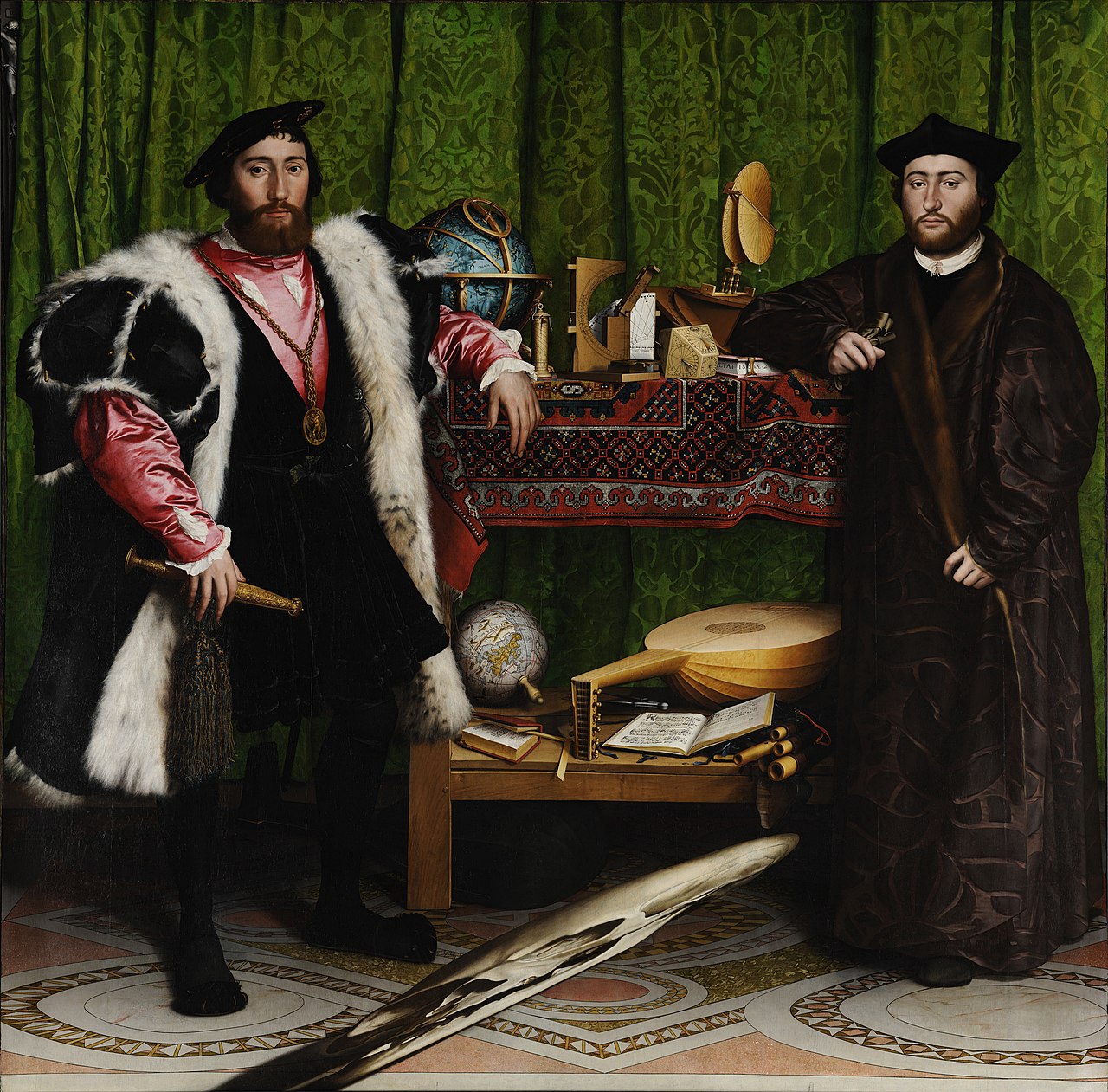 Iconography
Iconography, as a branch of art history, studies the identification, description and interpretation of the content of images: the subjects depicted, the particular compositions and details used to do so, and other elements that are distinct from arti...
To truly appreciate religious art, one must learn to read its visual language—a complex system of iconography where every color, gesture, and object carries profound meaning. Iconography, as a branch of art history, allows us to interpret the subjects and compositions that define these masterpieces. For instance, the
halo (also known as an aureole or gloriole) serves as a universal signifier of sanctity across Christianity, Hinduism, and Buddhism. The use of specific colors also tells a story: deep blues often represent the heavens or the Virgin Mary’s purity, while gold signifies the eternal light of God. Even the way figures are positioned—such as the
mandorla, an almond-shaped aureole surrounding the entire body—communicates a state of divine transformation. By decoding these symbols and allegories, the viewer moves beyond mere observation and enters into a deep, intellectual, and spiritual conversation with the artist’s original intent.
Timeless Devotion: Preserving the Spiritual Legacy through Hand-Painted Reproductions
The profound impact of these historical masterpieces continues to resonate in our modern spaces, inspiring a desire to surround ourselves with the beauty of the past. At
ArtsDot.com, we believe that the soul of art lies in its texture and the visible hand of the creator. While many seek simple prints, we specialize in
Hand-Painted Oil Reproductions that honor the academic excellence of the masters. Unlike computer-printed posters, our works are 100% hand-painted on fine cotton canvas, capturing the
impasto textures and deep tonal ranges that define true fine art.
Our process is designed to ensure museum-grade quality through a meticulous six-step journey:
- Order Confirmation: Immediate notification to begin your commission.
- Digital Mockup: For complex orders, we provide a professional digital preview, allowing for unlimited revisions to color or composition before the brush ever touches canvas.
- Masterful Execution: Our artists, holders of prestigious Fine Arts degrees, paint by hand over 2–4 weeks using specialized oils and flexible gesso to prevent cracking.
- Pre-Ship Approval: We send a high-resolution photo of your completed painting for your final blessing.
- Custom Framing: Your artwork is mounted on sturdy, braced stretcher bars and offered in exquisite solid wood frames, from gold leaf to natural finishes.
- Global Delivery: Securely packaged and shipped via DHL or FedEx with full tracking to over 70 countries.
For those looking to "remix" history, we even offer the ability to transform personal milestones into masterpieces, such as painting a modern portrait in the light-drenched style of Monet or the dramatic chiaroscuro of Rembrandt. Whether you are seeking a large-scale mural to recreate a Renaissance ceiling or a multi-panel set for a grand staircase, our mission is to preserve the spiritual and aesthetic legacy of the world's greatest artworks. For more information on how to bring these timeless treasures into your home, visit
ArtsDot.com.