The Psychology of Serenity: How Landscape Art Influences Interior Atmosphere
To enter a room adorned with fine art is to engage in a silent dialogue with history, where the walls do more than merely enclose a space; they breathe life into it. For the discerning collector, the selection of artwork is never a purely aesthetic endeavor but an emotional orchestration of the environment. Landscape painting, in particular, possesses a unique psychological potency. Unlike the confrontational nature of portraiture or the intellectual rigor of abstract geometry, the landscape offers a window—a literal and metaphorical escape into the infinite. When we introduce a serene masterpiece into a living space, we are not simply hanging a canvas; we and we are inviting the restorative rhythms of the natural world to settle within our domestic sanctuary.
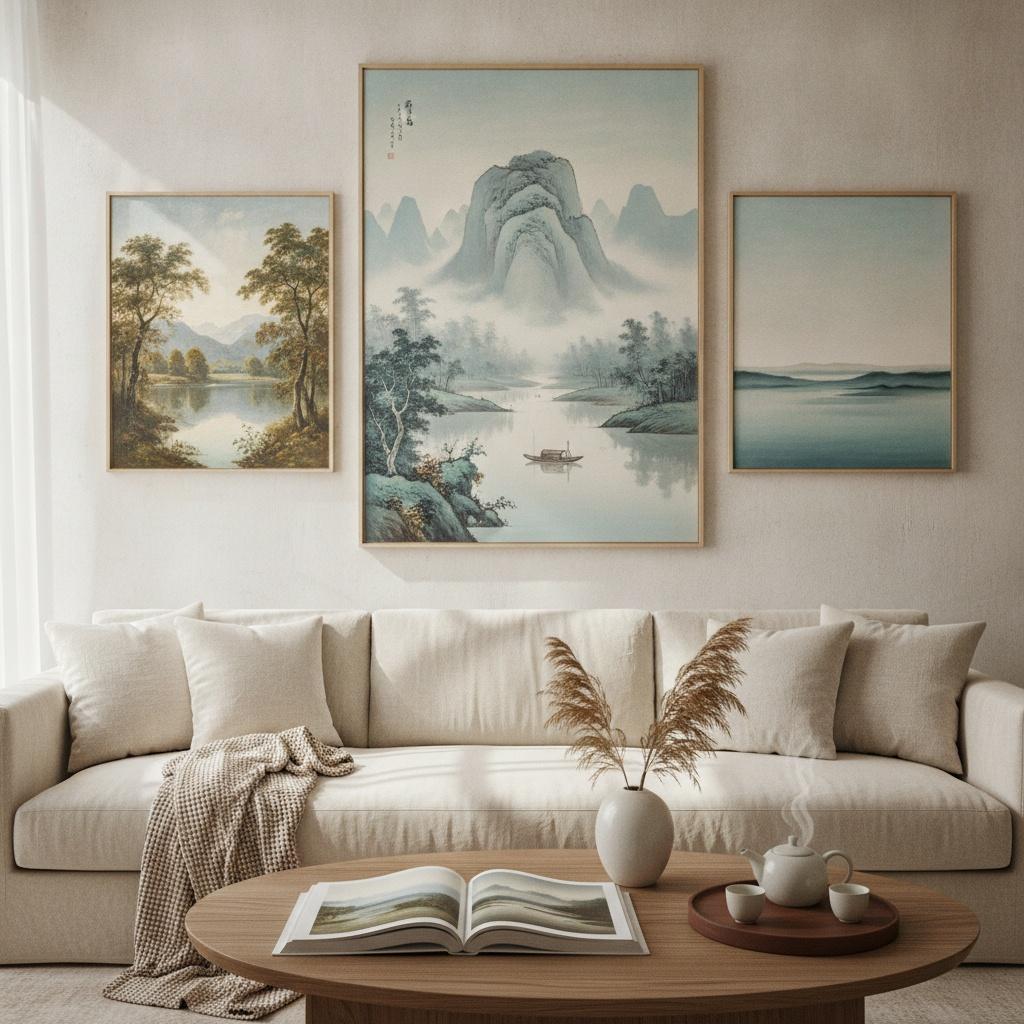
The impact of these works on our interior atmosphere is profound. A well-chosen landscape can expand the perceived boundaries of a room, replacing a solid wall with a distant mountain range or a sun-drenched meadow. This sense of depth provides a psychological reprieve from the claustrophobia of modern urban existence. The colors found in nature—the soft blues of an expansive sky, the muted greens of a forest canopy, or the warm ochres of a twilight field—act as visual anchors that lower the pulse and invite contemplation. By curating these vistas, we transform our homes into galleries of peace, where the very air seems to shimmer with the quietude of a captured moment.
Foundations of Peace: The Northern Renaissance and the Birth of the Atmospheric Landscape
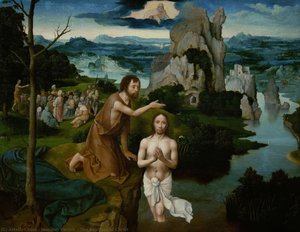 joachim patinir
A Pioneer of the Northern Renaissance Landscape Joachim Patinir, a name often whispered alongside that of Albrecht Altdorfer as a foundational figure in landscape painting, emerged from the artistic milieu of the Low Countries during the early 16th c...
The lineage of tranquility in art finds its early, profound roots in the meticulous world of the Northern Renaissance. Before the landscape was recognized as an independent genre, it often served as a mere backdrop for religious or historical narratives. However, pioneers like Joachim Patinir began to fundamentally alter this hierarchy. Emerging from the artistic milieu of the Low Countries in the early 16th century, Patinir was a visionary who moved beyond the role of a secondary decorator. He began to invent a new way of seeing, imbuing the natural world with a narrative power and symbolic depth that had previously been reserved for human subjects.
In the hands of these early masters, the landscape became a vessel for spiritual reflection. Patinir’s work, characterized by an intricate attention to detail and a burgeoning sense of fantasy, often featured vast, undulating terrains that felt both grounded in reality and touched by the divine. This era introduced the concept of the "world landscape," where the eye is led through complex compositions of rocky outcrops, winding rivers, and distant, hazy horizons. These paintings did not merely depict earth and sky; they constructed a sense of awe. For the modern enthusiast, bringing such a piece into a home offers a connection to that foundational era of discovery, providing a sense of permanence and historical weight that anchors a room in the grandeur of the past.
Chasing the Light: Impressionism and the Capturing of Fleeting Tranquility
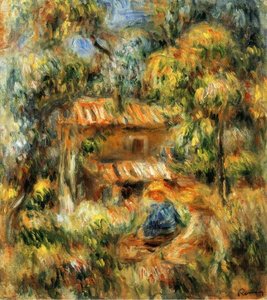 Cagnes Landscape 9
A Window into Tranquility: Exploring Pierre-Auguste Renoir’s “Cagnes Landscape” Renoir's "Cagnes Landscape," often referred to as “View of Collettes,” stands as a quintessential example of Impressionism—a movement that revolutionized painting in the ...
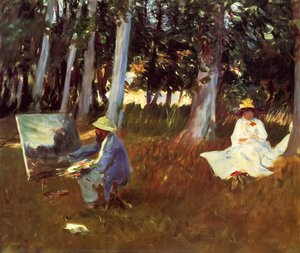
As art history progressed toward the 19th century, the definition of serenity underwent a revolutionary shift. The advent of Impressionism moved the focus from the structured, symbolic landscapes of the Renaissance to the ephemeral, sensory experience of the present moment. Artists such as Claude Monet, Pierre-Auguste Renoir, and Camille Pissarro rejected the rigid academic traditions of the Salon in favor of capturing the "impression"—the way light dances upon a surface and how atmosphere dissolves form. This movement was a bold declaration that reality is not fixed, but rather a shimmering, subjective experience.
Consider the works of Renoir, such as his Cagnes Landscape or Landscape 15. In these canvases, tranquility is found in the interplay of light and color. Through the use of broken brushstrokes and a vibrant, often warm palette, Renoir captures the golden glow of sunlight filtering through foliage, creating an atmosphere that feels alive with movement yet profoundly peaceful. There is no heavy, brooding shadow here; instead, there is a celebration of the fleeting beauty of a sun-dappified garden or a quiet pastoral scene. To possess an Impressionist-style work is to invite a sense of light and vitality into one's home, ensuring that even on the greyest of days, the interior remains bathed in a perpetual, soft luminescence.
From Pastoral Truth to Abstract Emotion: Evolution of the Natural World in Painting
 John Constable's Masterpieces: Explore 25 Iconic Landscapes for Your Home
Introduction To embark on a journey through the top 25 artworks of John Constable is to step into a world where the very air seems to shimmer with light and the scent of hay. These paintings are not merely depictions of the English countryside; they ...
The evolution of landscape art is also marked by a tension between the literal depiction of nature and the expression of internal emotion. In Britain, John Constable emerged as a master of the pastoral truth. His works are profound meditations on memory and the enduring power of place. Unlike his contemporaries who sought the dramatic, Constable turned his gaze toward the English countryside he knew intimately, capturing the subtle moods and the very scent of the air. His technique, involving thick impasto to convey texture and movement, allows the viewer to feel the dampness of the earth and the freshness of a summer breeze, fostering a deep, nostalgic connection to the land.
Conversely, later movements began to push toward abstraction, using the landscape as a springboard for pure emotional resonance. We see this in the works of artists like Wayne Bennett, who utilized bold, vibrant color palettes and abstract forms to evoke the grandeur and intensity of the American landscape. Even within the realm of more contemporary or stylized works, the goal remains a pursuit of essence rather than mere representation. Whether it is the poetic haze of an English study by Sir Alfred James Munnings or the vivid, textured vistas of a tropical Martinique landscape by Paul Gauguin, the trajectory of art history shows a consistent movement toward capturing the soul of the scenery, offering collectors a diverse range of emotional textures to choose from.
Curating Calm: Selecting Masterpiece Reproductions for Timeless Living Spaces
 Impressionist Landscapes: 10 Masterpieces for Your Home | ArtsDot
Introduction Imagine stepping into a world bathed in dappled sunlight, where colors dance and shimmer with an ethereal quality. This is the realm of Impressionism – a revolutionary art movement that forever altered how we perceive light, color, and t...
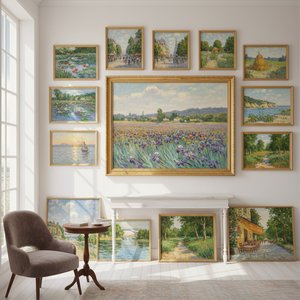
Selecting the right artwork for your home requires an understanding of both the historical context and the physical requirements of your space. For the collector seeking to establish a sense of timelessness, the choice between a Handmade Oil Reproduction and a Giclée Print is paramount. A true oil reproduction, painted by hand on cotton canvas with visible brushstrokes and a deep tonal range, offers a tactile depth that a flat print simply cannot replicate. The way light interacts with the raised texture of the paint—the impasto—creates a dynamic presence that changes throughout the day, much like the original masterpiece itself.
When integrating these pieces into your interior design, consider the following professional considerations:
- Scale and Placement: Large-format works or multi-panel "group set" paintings are ideal for expansive walls or staircases, creating a focal point that commands attention without overwhelming the room.
- Color Integration: Utilize tools to find art that complements your existing palette, perhaps selecting works with warm golds to enhance a cozy study, or cool blues to complement a modern, airy living area.
- Customization and Personalization: Beyond selecting from established classics, the ability to "remix" history is a profound luxury. One might commission a portrait in the Impressionist style of Renoir or even transform a personal photograph into a 17th-century masterpiece through professional digital mockups.
At ArtsDot.com, we specialize in making these legendary moments accessible to the modern connoisseur. Our mission is to preserve human creativity by providing museum-quality, hand-painted reproductions that serve as lasting legacies within your home. Whether you are seeking a profound connection to the Northern Renaissance or the light-drenched joy of Impressionism, our master artists ensure that every stroke reflects the academic excellence and passion of the original masters. We invite you to explore our curated collection and transform your living space into a sanctuary of historical serenity.