The Enigmatic Life of Nikala: Origins and Early Struggles
 Wikipedia: Niko Pirosmani
Nikoláy Aslánovich Pirosmanashvíli (Georgian: ნიკოლოზ ფიროსმანაშვილი) or Niko Pirosmani (Georgian: ნიკო ფიროსმანი), simply referred to as Nikala (ნიკალა Nik’ala; 1862–1918), was a Georgian painter who posthumously rose to prominence. Relatively
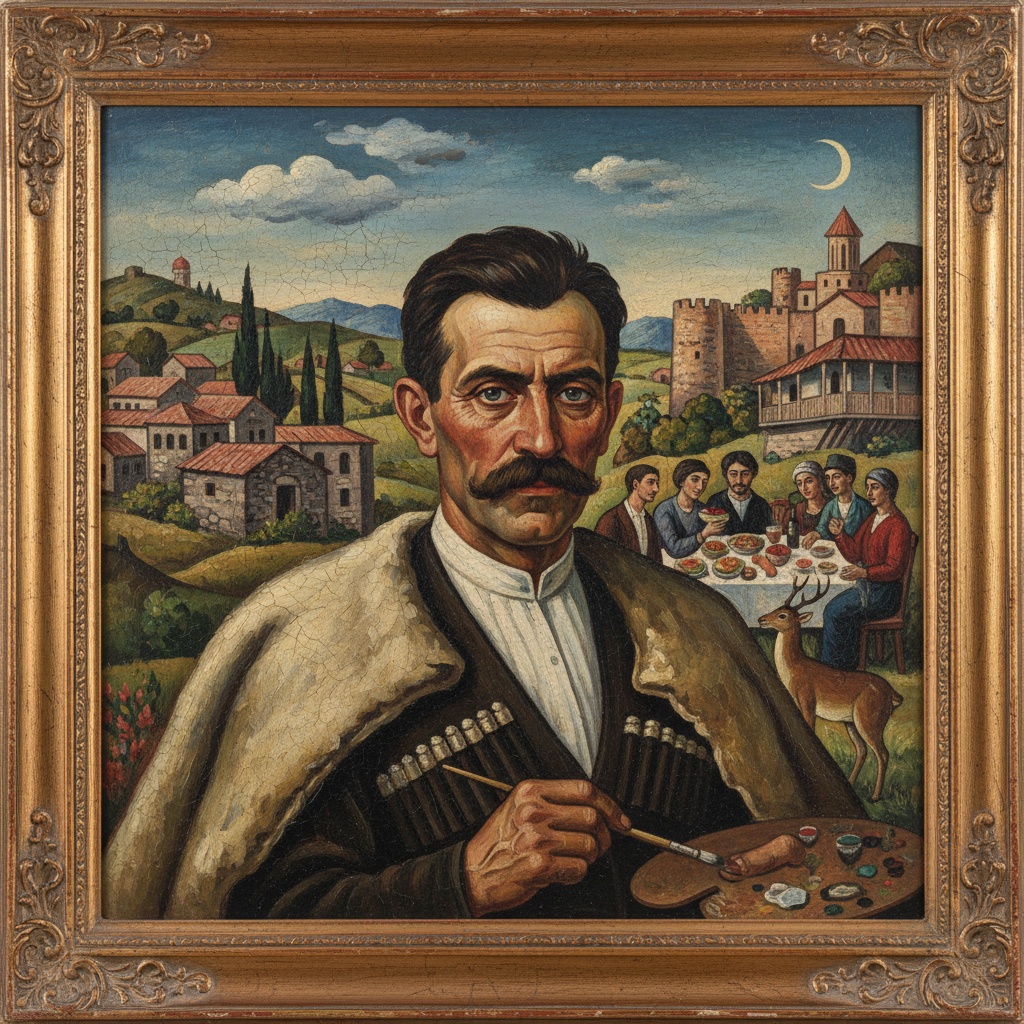
Niko Pirosmanashvili, known affectionately as Nikala, remains a figure shrouded in mystery, his life as compellingly raw and untamed as the art he left behind. Born around 1862 in the small village of Mirzaani, nestled within Georgia’s fertile Kakheti region, his origins are steeped in hardship. Orphaned early in life, the details of his childhood remain fragmented, pieced together from scant records and local lore. What is certain is that Tbilisi, the bustling capital city, became his refuge around 1870 – a place where he would attempt to forge a path amidst poverty and societal indifference. Unlike many artists who benefited from formal training and patronage, Nikala’s education was largely self-directed, born of observation and necessity. He drifted through various occupations—herdsman, railway worker, even a brief foray into dairy farming—each experience subtly shaping the worldview that would later permeate his canvases. These early struggles weren't merely biographical details; they were foundational to his artistic vision, imbuing his work with an authenticity rarely found in more privileged circles.
Tbilisi’s Taverns as Canvas: Pirosmani's Unique Artistic Practice
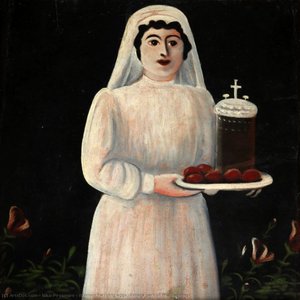 Women carrying eggs (Extant part of the Painting)
Discover Niko Pirosmani’s ‘Women Carrying Eggs,’ a captivating folk-art portrait of rural Georgian life. Explore its naive style, symbolic imagery & unique oilcloth technique.
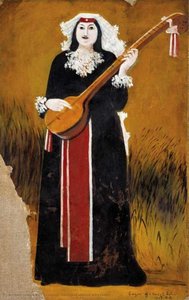
The heart of Nikala’s artistic life resided not within the hallowed halls of academies but within the dimly lit, convivial spaces of Tbilisi’s taverns. It was here he found his primary patrons and, crucially, his canvas – inexpensive oilcloth. This unconventional choice wasn't a matter of aesthetic preference; it was dictated by economic reality. Oilcloth, readily available and affordable, allowed him to create art despite his limited means. However, this pragmatic decision proved pivotal in defining his style. The smooth, non-porous surface demanded a unique approach to paint application, resulting in bold, flat planes of color and a striking simplicity of form. He became known for decorating tavern walls with portraits of patrons, scenes of revelry, and depictions of local life, essentially functioning as a self-taught sign painter who elevated the genre into something profoundly personal. These weren’t commissions driven by artistic ambition alone; they were acts of survival, yet within them lay the seeds of his extraordinary talent.
A Style Untamed: Primitivism, Naiveté, and the Power of Direct Expression
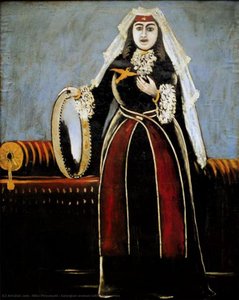
To categorize Nikala's art is to simultaneously illuminate and limit its power. He’s often labeled a “Primitivist,” a term that acknowledges his lack of formal training and his rejection of academic conventions. However, this label feels insufficient. His work possesses a raw, directness—a *naiveté* born not of ignorance but of an unwavering commitment to portraying the world as he saw it, unburdened by stylistic constraints or theoretical concerns. He eschewed perspective in favor of flattened compositions, often employing bold outlines and vibrant colors that evoke a sense of immediacy and emotional intensity. This wasn’t a deliberate attempt to shock or innovate; it was simply the most natural way for him to express his vision. His paintings aren't concerned with illusionistic realism but with capturing the *essence* of his subjects—the weight of a peasant’s gaze, the boisterous energy of a tavern scene, the quiet dignity of an animal. This directness resonates deeply, bypassing intellectual analysis and speaking directly to the viewer’s emotions.
Iconic Subjects and Symbolic Depth: Exploring Recurring Motifs in Pirosmani’s Work
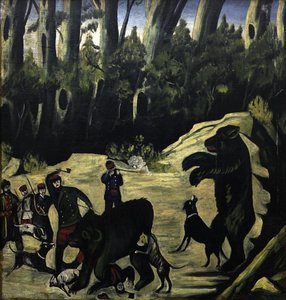
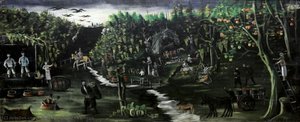
While Nikala painted a diverse range of subjects—from portraits of merchants and soldiers to still lifes of fruit and wine bottles—certain motifs recur throughout his oeuvre, hinting at deeper symbolic meanings. Animals, particularly bulls and cows, appear frequently, often imbued with a sense of power and stoicism. These weren’t merely depictions of rural life; they were likely connected to ancient Georgian traditions and beliefs, representing fertility, strength, and resilience. Portraits, too, are rarely straightforward representations. His subjects gaze directly at the viewer, their expressions enigmatic and haunting, suggesting a profound psychological depth. The frequent depiction of banquets and gatherings, while seemingly celebratory, often carry an undercurrent of melancholy, perhaps reflecting his own sense of isolation and longing. Even simple objects—a bottle of wine, a loaf of bread—become imbued with symbolic weight, representing sustenance, community, and the fleeting pleasures of life. His painting “Bear Hunting” exemplifies this raw realism combined with romantic intensity, showcasing Georgian primitivism’s unique style.
Posthumous Recognition and Lasting Influence: Pirosmani's Legacy in 20th-Century Art
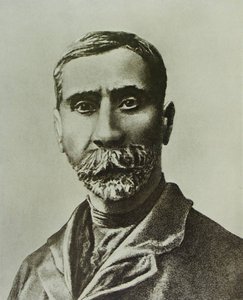 Niko Pirosmani
Discover Niko Pirosmani (1862-1918), a celebrated Georgian primitivist painter. Explore his unique oilcloth paintings depicting everyday life, rural Georgia, and iconic portraits. A key figure in 20th-century art.
Nikala died in obscurity in 1918, largely forgotten by the art world. His rediscovery came a decade later, thanks to the efforts of a group of young Russian artists—including Mikhail Le Dantyu and the Zdanevich brothers—who recognized his extraordinary talent and championed his work. They saw in him a kindred spirit, an outsider who had created a uniquely powerful artistic language free from Western academic constraints. His paintings quickly gained recognition within avant-garde circles, influencing movements like Primitivism and inspiring artists across Europe. Picasso, for example, was deeply impressed by Nikala’s work, recognizing its raw energy and emotional honesty. Today, Pirosmani is celebrated as Georgia's most beloved painter—a national icon whose art continues to resonate with audiences worldwide. His legacy extends beyond the realm of painting; he embodies a spirit of authenticity, resilience, and unwavering dedication to artistic vision.
Experiencing Pirosmani Today: Museums, Collections, and the Enduring Appeal of a Georgian Master
While Nikala’s life was marked by hardship, his art now resides in prestigious museums and private collections around the globe. The Niko Pirosmanashvili House Museum in Miranabad offers a poignant glimpse into his world, preserving artifacts and showcasing reproductions of his iconic paintings. Exploring these works firsthand allows one to appreciate the tactile quality of his oilcloth canvases and the boldness of his color palette. Beyond museums, numerous galleries and online platforms offer access to his art, allowing collectors and enthusiasts to experience his vision from anywhere in the world. The enduring appeal of Nikala lies not merely in his technical skill—though remarkable given his lack of formal training—but in the emotional honesty and profound humanity that permeates his work. He reminds us that true artistry isn’t defined by academic credentials or societal recognition but by an unwavering commitment to expressing one's inner world with authenticity and passion. At ArtsDot.com, we are proud to offer high-quality reproductions of Nikala’s masterpieces, allowing you to bring the spirit of Georgian art into your own home.