Beyond the Brushstrokes: Salvator Rosa’s Life & Rebellious Spirit
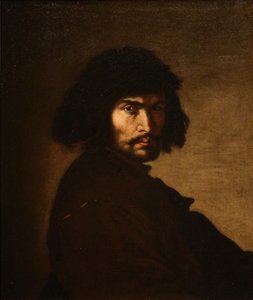 Salvator Rosa
Explore the dramatic Baroque landscapes & philosophical paintings of Salvator Rosa (1615-1673). Italian painter, poet & printmaker known for his rebellious spirit and influence on artists like Luca Giordano. Discover his masterpieces!
Salvator Rosa (1615-1673) was not merely a painter; he was a polymath, a provocateur, and a poet whose life was as tempestuous and dramatic as the landscapes he immortalized on canvas. Born near Naples under the shadow of Vesuvius – a geological presence that would profoundly shape his artistic vision – Rosa defied easy categorization. While officially trained within the conventions of the Italian Baroque, he quickly established himself as an outsider, rejecting academic constraints in favor of a fiercely independent spirit. His early life was marked by hardship and rebellion; initially destined for a religious vocation, he secretly pursued painting under the tutelage of his uncle, Paolo Greco, and later Francesco Fracanzano, absorbing influences from masters like Caravaggio and Ribera. This formative period instilled in him a mastery of chiaroscuro – the dramatic interplay of light and shadow – that would become a hallmark of his style.
However, Rosa’s restless nature led him on a peripatetic journey through Naples, Rome, and Florence. He wasn't simply seeking patronage; he was actively engaging with intellectual circles, often clashing with established artistic norms. His caustic wit and satirical poems earned him both admirers and enemies, forcing him to navigate the treacherous waters of courtly life and artistic rivalries. This constant movement, coupled with his outspoken personality, fueled a sense of alienation that permeated his work. He was, in many ways, an anti-hero – a figure who celebrated solitude, questioned authority, and found beauty in the untamed wilderness.
The Dramatic Landscapes: A New Vision of Nature in Baroque Painting
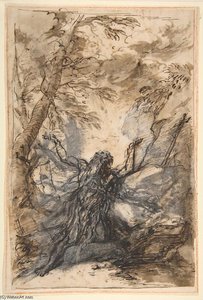 St. Paul, Hermit
Discover Salvator Rosa’s dramatic Baroque landscapes & historical paintings. Explore his rebellious spirit & influence on Romanticism. Fine art prints & reproductions available.
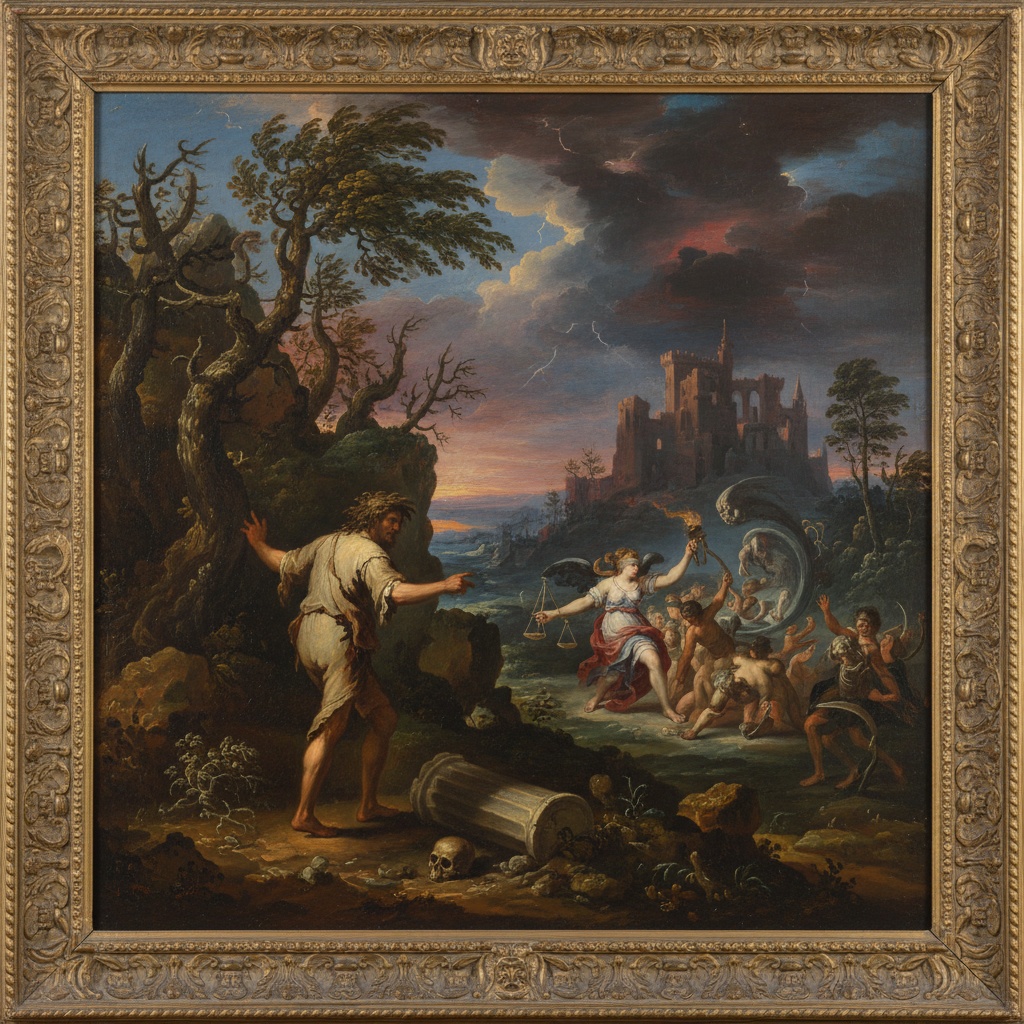
Before Rosa, landscape painting often served as mere backdrop for religious or mythological narratives. He fundamentally altered this paradigm, elevating nature to the central subject of his art. His landscapes are not idyllic retreats; they are wild, rugged, and often menacing – populated by craggy mountains, turbulent skies, and overgrown vegetation. This was a radical departure from the serene classical views favored by artists like Claude Lorrain. Rosa’s vision reflected a profound shift in sensibility, anticipating the Romantic movement's fascination with the sublime power of nature.
He didn’t simply *depict* landscapes; he imbued them with emotional weight and philosophical significance. Figures within his scenes are often dwarfed by the immensity of their surroundings, emphasizing humanity’s insignificance in the face of natural forces. This sense of scale is achieved through masterful use of perspective and atmospheric effects, creating a palpable feeling of depth and drama. The brushwork itself is loose and expressive, conveying a sense of movement and energy that further enhances the emotional impact. The Bridge, for example, showcases this dynamic interplay between human activity and the overwhelming power of nature, with horses and figures struggling against a dramatic backdrop.
Allegory and Philosophy: Decoding the Hidden Meanings in Rosa's Works
 Wikipedia: Salvator Rosa
Salvator Rosa (1615 – 15 March 1673) is best known today as an Italian Baroque painter, whose romanticised landscapes and history paintings, often set in dark and untamed nature, exerted considerable influence from the 17th century into the early 19...
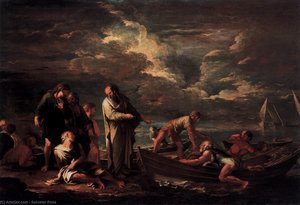
While celebrated for his landscapes, Rosa was equally adept at allegorical and historical painting. He frequently chose obscure or esoteric subjects from mythology, philosophy, and biblical history – themes rarely explored by other artists of his time. This wasn’t simply a matter of novelty; it reflected his deep intellectual curiosity and desire to engage with complex philosophical questions.
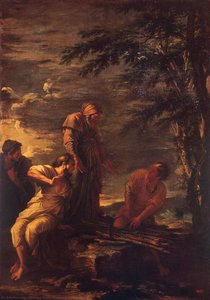
Democritus in Meditation, for instance, depicts the pre-Socratic philosopher lost in contemplation, embodying themes of solitude, mortality, and the search for meaning. His paintings often served as veiled critiques of societal hypocrisy and the fleeting nature of human glory. Lucrezia as Poetry (1641) is a striking example of his dramatic portraiture, imbued with symbolic richness and a captivating sense of psychological depth. The gold background adds to the painting’s otherworldly quality, suggesting a realm beyond the material world. Rosa rarely painted conventional religious scenes unless they allowed for this exploration of deeper philosophical themes.
'The Bridge' and Other Masterpieces: Exploring Key Paintings by Salvator Rosa
The Bridge, with its dynamic composition and dramatic lighting, exemplifies Rosa’s mastery of Baroque technique. The scene is filled with movement and energy, as horses and figures navigate a precarious crossing. Beyond the technical brilliance, the painting speaks to themes of struggle, resilience, and the challenges of life's journey. St. Paul, Hermit, showcases his ability to create atmospheric landscapes that evoke a sense of solitude and spiritual contemplation. The rugged terrain and muted color palette contribute to the painting’s melancholic mood.
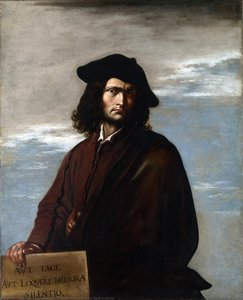
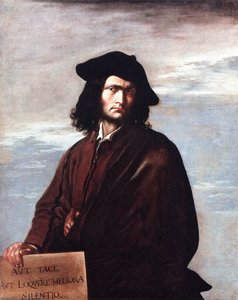
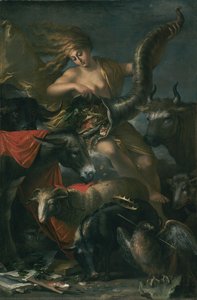
Other notable works include his numerous self-portraits – often depicting himself as a brooding outsider or a philosophical wanderer – and his battle scenes, which are characterized by their raw energy and dramatic intensity. His Allegory of Fortune, with its symbolic representation of chance and fate, reveals his keen understanding of human psychology and the complexities of life’s unpredictable nature.
Rosa’s Enduring Legacy: Influence on Romanticism & Beyond
Despite facing criticism during his lifetime for his unorthodox style and outspoken personality, Salvator Rosa exerted a profound influence on subsequent generations of artists. He is widely regarded as a precursor to the Romantic movement, inspiring painters like Turner and Constable with his dramatic landscapes and emotional intensity. His emphasis on the sublime power of nature, his celebration of solitude, and his questioning of societal norms resonated deeply with artists who sought to break free from academic conventions.
Although his popularity waned in the 19th century, a renewed interest in his work emerged in the late 20th century. Today, Salvator Rosa is recognized as an innovative and significant landscape painter – a true rebel whose vision continues to captivate and inspire. At ArtsDot.com, we are proud to offer high-quality reproductions of his masterpieces, allowing you to experience the power and beauty of Rosa’s art firsthand. Explore our collection today and discover the enduring legacy of this remarkable Baroque master.