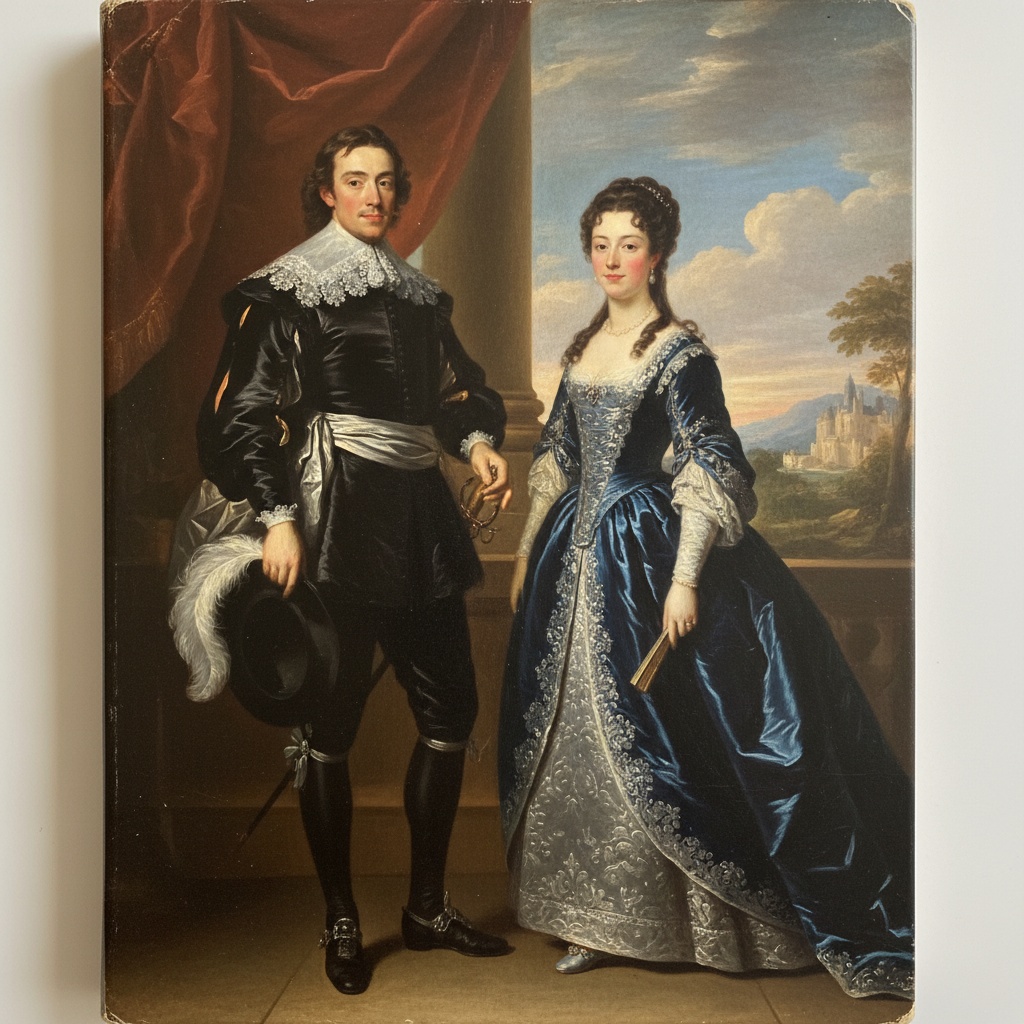
The Antwerp Origins & Early Mastery of Anthony van Dyck
With his royal connections, and years spent in Britain, Sir Anthony van Dyck remains an important figure in the nation's art history.
Born in 1599, amidst the bustling artistic environment of Antwerp, Anthony van Dyck’s trajectory was one of remarkably swift ascent. Unlike many artists who endured years of apprenticeship obscurity, Van Dyck demonstrated prodigious talent from a tender age. His father, Frans van Dyck, a successful silk merchant, recognized and nurtured this gift, placing him initially under the tutelage of Hendrick van Balen, a respected painter known for his small-scale cabinet paintings. However, it was the studio of Peter Paul Rubens that proved truly formative. Rubens wasn’t merely an instructor; he became a mentor, shaping Van Dyck's approach to composition, color, and dramatic narrative. Even in these early works, a distinctive elegance began to emerge – a refinement of line and form that would become his signature. The influence of Rubens is undeniable, yet Van Dyck quickly developed a personal style, characterized by a subtle psychological depth rarely seen in the work of his contemporaries. His early success wasn’t simply due to talent; it was also a product of Antwerp's thriving art market and the patronage of discerning collectors who recognized the burgeoning genius within the young artist.
Van Dyck's Italian Period: Refining Style & Building Reputation
By 1620, Van Dyck’s reputation had begun to extend beyond Flanders. A brief sojourn in London offered a taste of courtly commissions, but it was his extended stay in Italy – from 1621 to 1627 – that proved pivotal. He immersed himself in the artistic centers of Genoa, Rome, and Venice, studying the works of Titian, Veronese, and Correggio. This period wasn’t about imitation; rather, it was a process of absorption and transformation. Van Dyck synthesized Italian grandeur with his existing Flemish sensibilities, creating a style that resonated with the aristocratic tastes of the Italian peninsula. He found particular favor in Genoa, where he painted portraits of prominent families, capturing not just their likenesses but also their social standing and individual character. His ability to convey both power and intimacy was highly sought after. Crucially, it was during this time that Van Dyck began experimenting with etching – a medium he would master, producing his celebrated Iconography series, a collection of portraits of leading artists and intellectuals that served as both an artistic statement and a powerful form of self-promotion.
Portraiture as Power: Van Dyck at the Court of Charles I
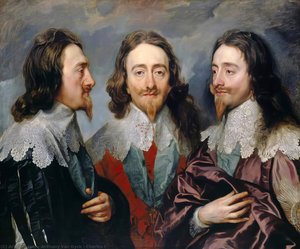
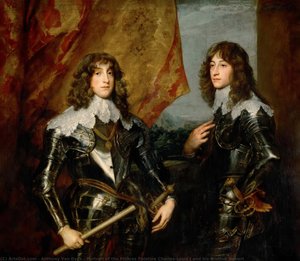
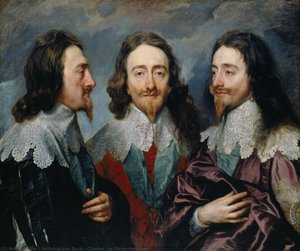
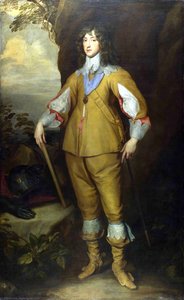
The summons to return to England in 1632 marked the culmination of Van Dyck’s career. Charles I, a passionate art collector with a keen eye for talent, appointed him Principal Painter, effectively establishing him as the architect of the royal image. This wasn't merely about creating beautiful pictures; it was about constructing a visual narrative of power and legitimacy. Van Dyck understood this implicitly. He moved away from the formal, static portraits prevalent in earlier English art, introducing a new level of dynamism and psychological insight. His depictions of Charles I are not simply representations of a king; they are carefully crafted icons of sovereignty – regal yet approachable, powerful yet benevolent. He also painted Henrietta Maria, Queen consort of England, and their children, creating an idealized vision of the royal family that served to bolster public perception. Van Dyck’s innovative use of light, color, and composition, combined with his ability to capture the personality of his sitters, revolutionized English portraiture, setting a standard that would endure for generations.
Iconography and Innovation: Etchings & Artistic Legacy
In the Baroque period, Van Dyck's depiction of Bentivoglio was much emulated and became the benchmark for any portrait of a prince of the Church ...
While celebrated as a painter, Van Dyck’s contributions extend beyond oil on canvas. The Iconography series – a collection of over one hundred etched portraits – is a testament to his technical skill and artistic vision. These weren't simply reproductions of existing paintings; they were original works in their own right, showcasing his mastery of line and shading. The series served multiple purposes: it documented the leading artists and intellectuals of his time, established Van Dyck’s own position within that elite circle, and disseminated his style across Europe. The Iconography also reveals a deep understanding of artistic theory and a commitment to elevating the status of the artist. Beyond etching, Van Dyck was an innovator in watercolor techniques, creating delicate and luminous studies that foreshadowed later developments in the medium. His influence on subsequent generations of artists is profound – from English portraitists like Godfrey Kneller to French Rococo painters who admired his elegance and refinement.
Beyond the Portrait: Religious Works & Broader Baroque Influence
Though primarily remembered for his portraits, Van Dyck was a versatile artist capable of tackling a wide range of subjects. His religious works, often commissioned for altarpieces or private devotion, demonstrate a profound spiritual sensibility and technical virtuosity. Paintings like “Antoon Maria & Child” showcase a dynamic composition and rich detail that rival the work of his contemporaries. These pieces reveal a mastery of anatomy, drapery, and emotional expression. Van Dyck’s broader influence on the Baroque period is significant. He helped to disseminate Italianate styles throughout Northern Europe, blending them with existing Flemish traditions. His emphasis on elegance, refinement, and psychological depth shaped the aesthetic sensibilities of aristocratic patrons across the continent. His work embodies the dynamism and theatricality characteristic of the Baroque era, while simultaneously maintaining a distinctive personal style that sets him apart from his peers.
Collecting Van Dyck: A Guide for Connoisseurs
Investing in a Van Dyck
is not merely acquiring a beautiful object; it’s owning a piece of history. Authenticating a Van Dyck requires careful scrutiny, as numerous copies and attributions exist. Look for the distinctive brushwork – visible textures and subtle gradations of color that are hallmarks of his technique. The quality of the support (canvas or panel) is also crucial, as is the provenance – the documented history of ownership. Portraits from his English period are particularly prized, but works from his Italian phase offer a unique glimpse into his artistic development. Consider the subject matter: portraits of Charles I and Henrietta Maria command the highest prices, but lesser-known religious or mythological scenes can also be valuable investments. Consulting with reputable art historians and appraisers is essential before making any purchase. ArtsDot offers high-quality reproductions of Van Dyck’s masterpieces, allowing collectors to appreciate his artistry without the expense of acquiring an original. Whether you are a seasoned collector or just beginning your journey into the world of fine art, Anthony van Dyck's work continues to captivate and inspire.