
The Essence of Tonalism: Defining Atmosphere and Mood
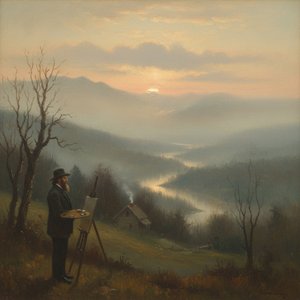
To step into a Tonalist painting is to enter a realm where the boundaries between reality and memory begin to dissolve. Unlike the vibrant, often startling color palettes of the Impressionists, Tonalism seeks something far more elusive: the capture of a specific, ephemeral mood. It is an art movement defined not by what is seen with the eye, and certainly not by sharp lines or dramatic contrasts, but by what is felt within the soul. At its core, Tonalism is the mastery of atmosphere—the ability to render the very air that hangs between the viewer and the subject.
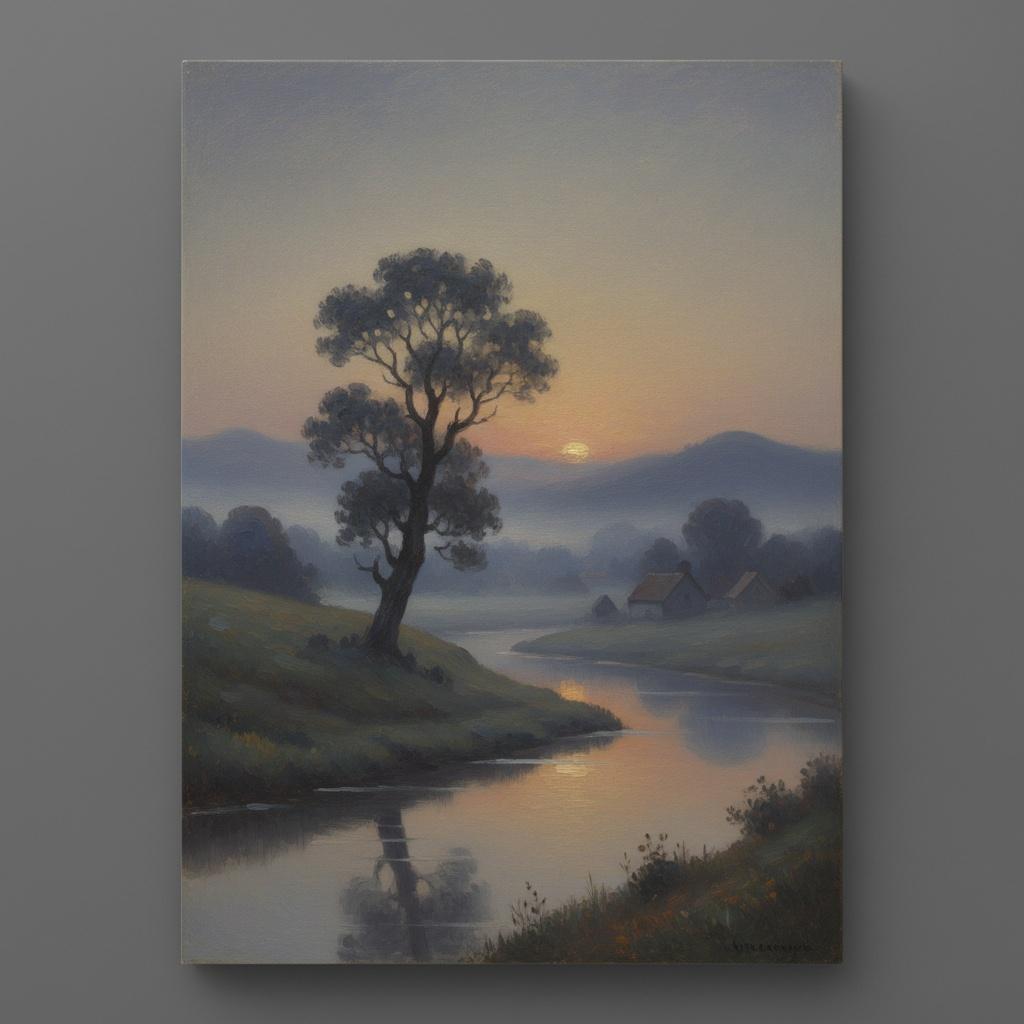
The movement relies on a restricted palette, often dominated by a single, harmonious color family. Whether it be the misty greys of a coastal morning, the deep indigos of a twilight sea, or the warm, sepia-toned shadows of an autumnal forest, these monochromatic or near-monochromatic schemes create a sense of profound unity. This lack of chromatic conflict allows the viewer to focus on the subtle gradations of light and shadow, fostering a meditative state. In Tonalism, the subject matter—be it a quiet landscape or a lonely figure—serves merely as a vessel for the expression of sentiment and tranquility.
Ultimately, the power of this style lies in its suggestion rather than its declaration. By obscuring details through mist, fog, or shadow, the artist invites the spectator to complete the image with their own imagination. It is a poetic form of visual storytelling where the silence of the canvas speaks louder than any bold stroke could ever hope to achieve.
The Master of Shadows: James Abbott McNeill Whistler and the Nocturne
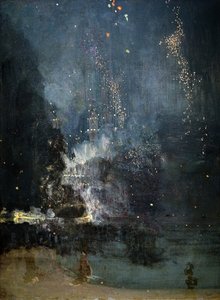
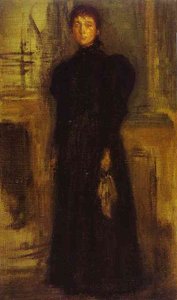
No discussion of Tonalist mastery would be complete without an exploration of the profound influence of James Abbott McNeill Whistler. A pivotal figure in bridging the gap between Romanticism and Impressionism, Whistler transformed the way we perceive the nocturnal world. His series of works, known as Nocturnes, represent the pinnacle of Tonalist achievement, moving away from literal representation toward pure, musical abstraction.
In masterpieces such as Nocturne: Blue and Silver - Bognor, we witness a breathtaking command over light and shadow. Whistler does not attempt to document every wave or pier; instead, he uses visible, textured brushstrokes to evoke the rhythmic movement of water under a moonlit sky. His use of silver and deep blue tones creates a sense of weightlessness and mystery, where the sea and sky bleed into one another in a seamless, ethereal dance. This approach was revolutionary, treating the canvas more like a musical composition—where color and tone act as notes—than a traditional landscape.
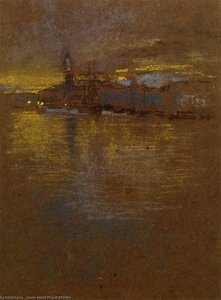
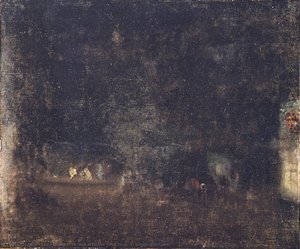
Whistler’s ability to evoke tranquility through shadow is perhaps best seen in his depictions of Venetian alleyways, such as Corte del Paradiso. Here, the architecture is softened by a pervasive gloom, yet the painting feels alive with a quiet, breathing energy. Through his hands, the darkness was not an absence of light, but a rich, textured medium capable of conveying the deepest human emotions.
Techniques of the Ethereal: Soft Light, Muted Palettes, and Layered Depth
The technical execution of Tonalism requires a delicate touch and an intimate understanding of the chemistry of paint. To achieve that signature "glow" from within the canvas, artists must master the art of layering. Rather than applying thick, opaque blocks of color, the Tonalist painter often employs thin, translucent glazes. This technique allows light to penetrate multiple layers of pigment, reflecting off the underlying white ground and creating a luminous, three-dimensional depth that flat pigments simply cannot replicate.
The manipulation of soft light is the artist's most vital tool. Unlike the harsh, direct sunlight of the midday sun, Tonalist light is diffused—filtered through clouds, mist, or twilight haze. This diffusion eliminates hard edges and reduces contrast, allowing for a smooth transition between light and dark areas. This technique, often referred to as sfumato in its more extreme forms, creates a sense of atmospheric perspective, where distant objects appear paler and less distinct, pulling the viewer deeper into the landscape.
Furthermore, the choice of materials plays a crucial role in maintaining this ethereal quality. The use of muted, earth-toned pigments ensures that no single color disrupts the overall harmony of the piece. When executed with precision, these technical elements work in concert to create a "living" texture—a surface that seems to vibrate with the subtle energy of the atmosphere it depicts.
Tonalism in the Modern Eye: From Impressionist Roots to Contemporary Evocation
While Tonalism emerged as a distinct movement in the late 19th century, its DNA continues to pulse through the veins of contemporary art. The movement’s departure from literalism paved the way for modern abstraction, teaching us that the essence of a subject can be captured through color and tone alone. Today, we see the echoes of Tonalist thought in artists who explore haunting beauty and atmospheric landscapes, seeking to evoke emotion through the subtle interplay of light and shadow.
Contemporary painters like Gregory Amenoff continue this legacy by exploring interiors and figures with a sense of profound, quiet mystery. While the subject matter may be modern, the focus remains on the evocative power of the atmosphere. Similarly, the works of American Impressionists such as Henry Prellwitz demonstrate how Tonalist principles can be applied to specific locales, like the Peconic Bay, to create landscapes that feel both grounded in reality and elevated by a dreamlike quality.
In an age dominated by high-definition, hyper-saturated digital imagery, the Tonalist aesthetic offers a much-needed sanctuary. It provides a visual language for introspection, reminding us of the beauty found in the understated, the obscured, and the quiet moments of transition between light and dark.
Curating the Quiet: Integrating Tonalist Aesthetics into Sophisticated Interiors
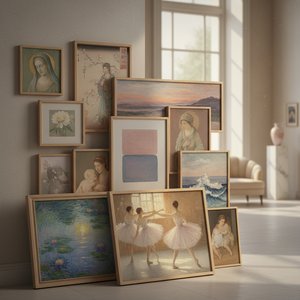
For the discerning collector and interior designer, integrating Tonalist-inspired art into a living space is an exercise in creating sophisticated serenity. Because Tonalist works are characterized by their harmonious, low-contrast palettes, they possess a unique ability to anchor a room without overwhelming it. They do not demand attention through loudness; rather, they command respect through their quiet presence.
When selecting pieces for a modern home, consider the following elements of curation:
- Color Harmony: Use Tonalist paintings to complement existing neutral or muted color schemes. A painting with deep blues or soft greys can serve as a sophisticated focal point in a room featuring cream, beige, or slate tones.
- Texture and Depth: To truly appreciate the spirit of Tonalism, seek out reproductions that feature visible, tactile brushstrokes. The three-dimensional quality of oil paint adds a layer of luxury and "soul" to a space that flat prints cannot achieve.
- Spatial Balance: Large-format Tonalist works can act as "windows" into another world, expanding the perceived depth of a room, while multi-panel or group set paintings can add architectural interest to wide walls or staircases.
Ultimately, bringing Tonalism into your home is about more than mere decoration; it is about curating an atmosphere of peace and contemplation. It is an invitation to slow down, to look closer, and to find beauty in the softest light.
At ArtsDot.com, we are dedicated to preserving this legacy of human creativity. From meticulously handcrafted oil reproductions that capture every textured brushstroke of masters like Whistler, to custom commissions that transform your personal memories into atmospheric masterpieces, our mission is to make the profound beauty of art history accessible to all. Whether you seek a museum-quality Giclée print or a bespoke, multi-layered oil painting, we provide the expertise and craftsmanship to help you curate a collection that resonates with timeless elegance.