

The Florentine Cradle: Context & Origins of the Early Renaissance
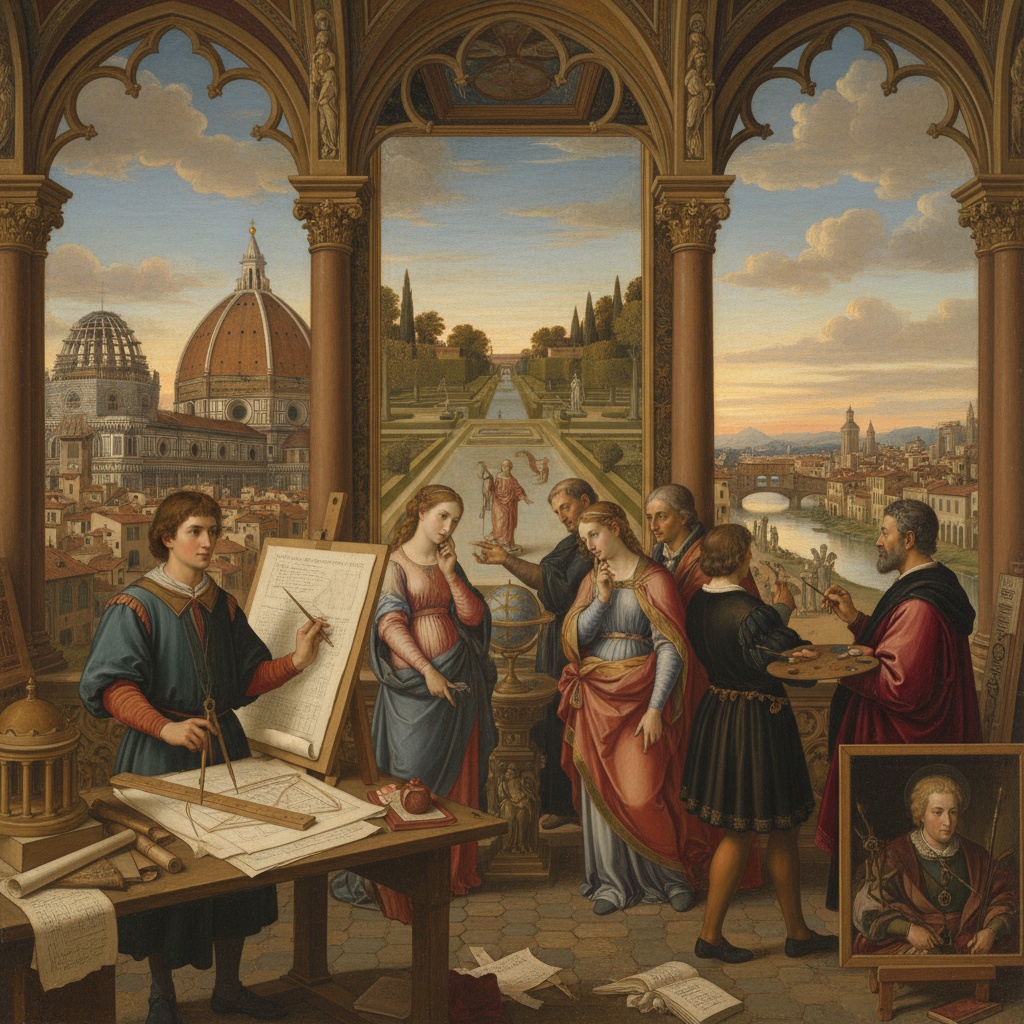
The story of the Early Renaissance is inextricably linked to Florence, a city pulsating with civic pride and burgeoning wealth in the 15th century. Unlike the unified Italy we know today, the peninsula was then a patchwork of independent city-states – Florence, Milan, Venice, each governed by varying systems, from despots to republics. Florence itself wasn’t a democracy in the modern sense; power resided with a merchant class and influential guilds, carefully balanced to prevent absolute control by any single entity. This unique political climate fostered an environment where individual expression and intellectual freedom could flourish. The city's resilience – having narrowly avoided conquest by Milan and Naples earlier in the 1400s – instilled a profound sense of collective identity and a belief in their own exceptionalism, often viewing themselves as heirs to the Roman Republic. This spirit, coupled with unprecedented economic prosperity fueled by banking and trade, created fertile ground for a cultural rebirth.
The accumulation of wealth wasn’t solely directed towards material comforts; it sparked a desire for beauty, knowledge, and a celebration of human potential. Florence became a magnet for scholars, artists, and thinkers, all drawn to the promise of patronage and intellectual exchange. The Medici family, initially as astute bankers and later as de facto rulers, played a pivotal role in this transformation, commissioning works that not only adorned their city but also reflected their own humanist values.
Humanism's Embrace: A New Focus on Individual Potential
Humanism is a philosophical stance that emphasizes the individual and social potential, and agency of human beings, whom it considers the starting point for serious moral and philosophical inquiry. The meaning of the term "humanism" has changed accor...
At the heart of the Early Renaissance lay Humanism – a philosophical stance shifting focus from divine contemplation to human agency and earthly existence. Inspired by rediscovered classical texts, scholars began re-evaluating ancient traditions, emphasizing rhetoric, grammar, poetry, history, and moral philosophy—the *studia humanitatis*. This wasn’t simply about reviving past forms; it was about applying classical ideals to contemporary life, fostering a belief in the inherent dignity and capabilities of humankind. The emphasis on individual achievement resonated deeply with the Florentine spirit, encouraging artists to move beyond anonymous craftsmanship towards personal expression and recognition.
Humanism wasn’t anti-religious; rather, it sought to reconcile classical learning with Christian beliefs. It prompted a deeper engagement with scripture, not as dogma but as a source of moral guidance and artistic inspiration. This intellectual ferment led to a renewed interest in portraying human emotions, anatomy, and the natural world with unprecedented accuracy and realism.
Revolutionizing Representation: Innovations in Painting & Sculpture
The desire for greater realism spurred groundbreaking innovations in artistic technique. Perhaps most significant was the rediscovery of linear perspective, a mathematical system allowing artists to create the illusion of depth on a flat surface. Artists like Masaccio pioneered its use, transforming two-dimensional panels into believable spatial environments. This wasn’t merely a technical feat; it fundamentally altered how viewers experienced art, drawing them into the scene and fostering a sense of immersion.
Sculpture also underwent a dramatic transformation. Donatello, for example, broke away from Gothic conventions, embracing classical forms and exploring human anatomy with unprecedented detail and emotional intensity. The use of bronze became increasingly prevalent, allowing for greater precision and expressiveness. These innovations weren’t isolated developments; they were interconnected, influencing painting, architecture, and even the design of urban spaces.
Sacred Narratives Reimagined: Religious Art of the Quattrocento
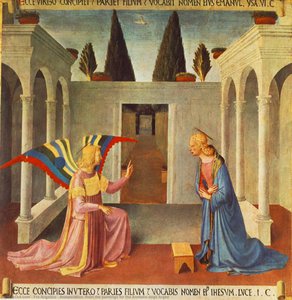 Annunciation
Discover Fra Angelico’s serene 'Annunciation,' a Renaissance masterpiece radiating spiritual devotion and exquisite detail. Explore its symbolism & beauty!
Despite the growing emphasis on humanism, religious themes remained central to Early Renaissance art. However, these narratives were no longer depicted in a purely symbolic or stylized manner. Artists like Fra Angelico infused their work with a serene devotion and exquisite detail, creating scenes that felt both deeply spiritual and profoundly human. His *Annunciation* exemplifies this approach – the delicate rendering of light, the graceful figures, and the palpable sense of reverence all contribute to a powerful emotional impact.
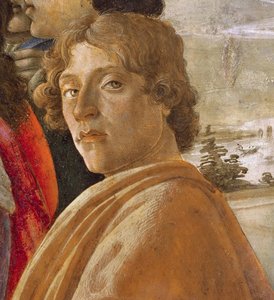
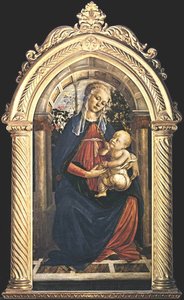
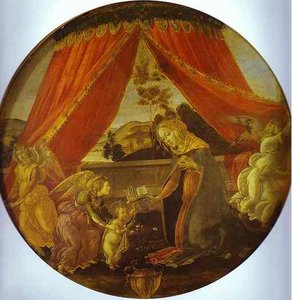
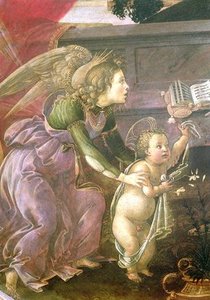
Sandro Botticelli’s work, while often characterized by its elegant style and mythological themes, also reveals a deep engagement with religious subject matter. *The Adoration of Jesus By Mary and Joseph* showcases his mastery of composition and detail, depicting the scene with a quiet intimacy that invites contemplation. Even in works celebrating classical mythology, artists frequently imbued their subjects with allegorical or moral significance.
Beyond Florence: Regional Variations and Artistic Exchange
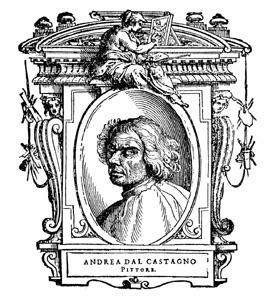
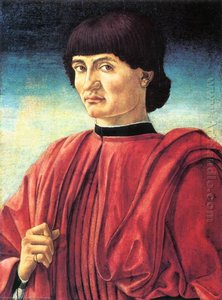
While Florence served as the epicenter of the Early Renaissance, its influence quickly spread throughout Italy. Artists from other regions – such as Andrea del Castagno – contributed unique perspectives and styles to the movement. Del Castagno’s dramatic frescoes and innovative *Last Supper* demonstrate a distinct approach to realism and emotional intensity, reflecting the artistic traditions of his native Tuscany.
Artistic exchange played a crucial role in disseminating new ideas and techniques. Workshops flourished, attracting apprentices from across Italy and beyond. Patrons commissioned works from artists working in different cities, fostering cross-pollination of styles and influences. This dynamic interplay led to a rich diversity of artistic expression, enriching the broader Renaissance landscape.
The Enduring Legacy: How Early Renaissance Principles Shaped Western Art
The impact of the Early Renaissance extends far beyond the 15th century. The innovations in painting, sculpture, and architecture laid the foundation for the High Renaissance and subsequent artistic movements. The humanist ideals that underpinned this period – a focus on individual potential, a reverence for classical learning, and a commitment to realism – continue to resonate with artists today.
The emphasis on perspective, anatomy, and emotional expression transformed how we perceive and represent the world around us. The masterpieces created during this era—works by Botticelli, Fra Angelico, Donatello, and countless others—remain testaments to the power of human creativity and the enduring legacy of a truly transformative period in art history. At ArtsDot.com, we are dedicated to making these iconic works accessible to all, offering high-quality reproductions that capture the beauty and spirit of the Early Renaissance for generations to come.