
The Shifting Sands of Patronage: From Commission to Collaboration
Patronage is the support, encouragement, privilege, or financial aid that an organization or individual bestows on another. In the history of art, art patronage refers to the support that princes, popes, and other wealthy and influential people have ...
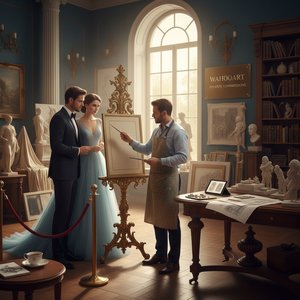
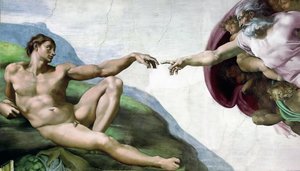
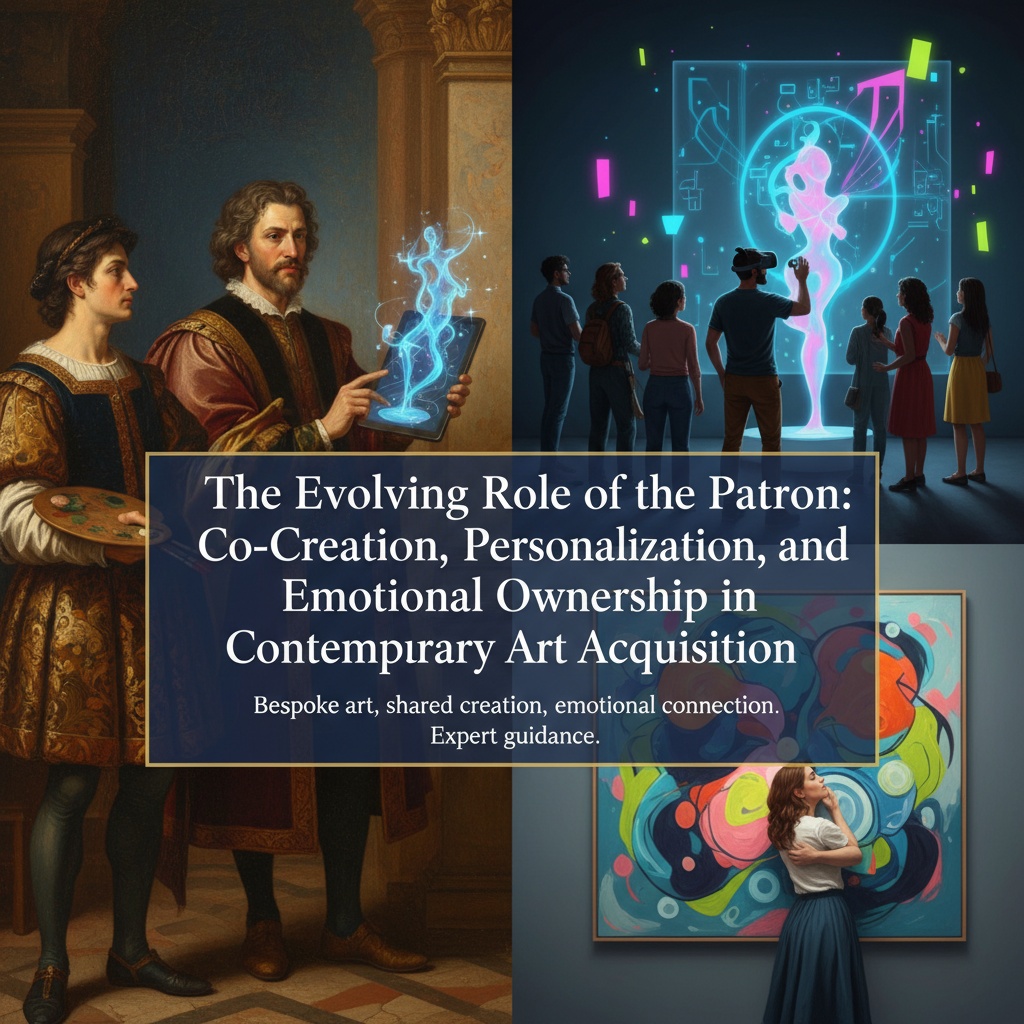
For centuries, the relationship between artist and patron has been a defining force in the creation of beauty. We conjure images of Renaissance princes vying for the talents of Leonardo da Vinci, or the Church commissioning Michelangelo’s breathtaking frescoes – a dynamic built on power, prestige, and often, a degree of control. The patron dictated subject matter, scope, even stylistic preferences, shaping the artwork to reflect their own ambitions and beliefs. But this unidirectional model is undergoing a profound transformation. Today's discerning collector isn’t simply seeking to *own* art; they yearn to participate in its very genesis – forging a deeper connection through co-creation, personalization, and ultimately, emotional ownership. This isn’t merely about acquiring an object of beauty; it’s about investing in a narrative, becoming part of the artistic lineage itself.
The roots of patronage stretch back to antiquity, where wealthy Romans like Gaius Maecenas supported poets and artists, fostering a cultural flourishing that continues to resonate today. The medieval period saw religious institutions become dominant patrons, commissioning grand cathedrals and illuminated manuscripts – expressions of faith intended to inspire awe and devotion. However, even within these established systems, there was often room for artistic interpretation and innovation. Artists weren’t simply automatons executing a patron's will; they brought their own skills, vision, and spiritual understanding to the work. The subtle symbolism woven into tapestries, the expressive faces of sculpted figures – these were testaments to the artist’s individual genius. Now, that agency is being amplified, with collectors actively seeking collaborative partnerships.
The modern collector understands that true artistry isn't born from dictation but from dialogue. It’s a process of shared exploration, where ideas are refined, perspectives challenged, and emotions translated into tangible form. This shift reflects a broader cultural trend – a desire for authenticity, personalization, and meaningful experiences in an increasingly homogenized world.
Beyond Replication: The Art of Personalization & Storytelling Through Commissions
 Co-Creation on Canvas: A Bespoke Art Service for Transforming Personal Visions into Lasting Masterpieces
Transform your vision into a lasting masterpiece with ArtsDot's bespoke art service. Expert artists, museum-quality materials & personalized guidance for an heirloom you’ll cherish. Discover the value of commissioning unique artwork today.
The allure of owning a masterpiece is undeniable, but the desire to possess something truly unique—something that resonates with one’s personal history and emotional landscape—is even more compelling. This has fueled an extraordinary demand for personalized artwork that transcends generic reproductions. It's no longer enough to simply hang a Van Gogh print on your wall; collectors are seeking artworks that tell *their* stories, reflecting their experiences, values, and aspirations.
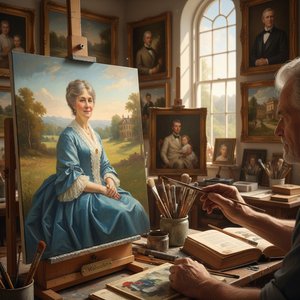
Personalization exists on a spectrum. At one end lies the faithful reproduction of a beloved work with customized dimensions or framing—a subtle nod to individual taste. But more sophisticated collectors are venturing into uncharted territory, commissioning pieces that incorporate deeply personal elements: family portraits reimagined in the style of their favorite artists, landscapes inspired by cherished memories, or abstract compositions reflecting specific emotional states. The transformation of a photograph into a custom painting is particularly poignant. This isn’t simply about recreating an image; it's about imbuing it with artistic significance, elevating a fleeting moment to enduring beauty.
The choice of style becomes paramount in these endeavors. Recreating a family portrait in the vibrant brushstrokes of Van Gogh evokes a different emotional response than rendering it in photorealistic detail. Consider the symbolism inherent in each technique—the swirling energy of Impressionism, the meticulous precision of Realism, the bold abstraction of Modernism. These stylistic choices aren’t merely aesthetic; they're deeply psychological, shaping how the artwork is perceived and experienced.
Emotional Ownership: Why Active Participation Elevates the Value of Art
Beyond personalization lies a deeper realm—emotional ownership. This represents the pinnacle of art acquisition, a profound connection to the artwork that transcends financial value or aesthetic appreciation. It’s achieved through active participation in its creation and imbuing it with personal significance. This isn't simply about commissioning a piece; it’s about investing time, effort, and personal input into its genesis.
The psychological principle at play is simple: people place greater value on objects they’ve actively contributed to creating. The iterative process of co-creation—providing feedback, refining ideas, collaborating with the artist—fosters a sense of authorship and pride. Collectors often describe their commissioned artworks as extensions of themselves—visual embodiments of their personality, values, and experiences. The artwork becomes more than just a beautiful object; it’s a tangible reminder of a creative partnership and a personal achievement.
“Art washes away from the soul the dust of everyday life.” – Pablo Picasso. This sentiment rings particularly true when one has actively participated in the creation process. Knowing the story behind the artwork—the challenges overcome by the artist, the inspiration that fueled its creation, and the collaborative journey shared with the collector—adds layers of meaning and depth.
Navigating the Artist Landscape: Finding the Perfect Partner for Your Vision
 Co-Creation on Canvas: A Collaborative Approach to Custom Artwork with Professional Painters
Elevate your space with custom artwork created in collaboration with skilled professional painters. Discover the art of bespoke paintings tailored to your vision. Expert consultation & museum-quality results at ArtsDot.
Embarking on a custom art project is an exciting endeavor, but selecting the right artist is paramount. It requires careful consideration of style, technique, and compatibility with your personal vision. The process begins by defining your aesthetic preferences—identifying artists whose work resonates with your taste and emotional sensibilities.
Researching an artist’s portfolio is crucial – examining their previous works to assess their technical skills and artistic range. Look beyond the surface; delve into their creative process, understanding their influences, inspirations, and underlying philosophies. Consider factors such as color palette, composition, subject matter, and overall mood. Beyond technical proficiency, it's essential to find an artist who understands your vision and can effectively translate your ideas into a tangible form.
Communication is key here – establishing clear expectations, providing detailed feedback, and fostering a collaborative dialogue throughout the creative process. A skilled artist will not only execute your instructions but also offer valuable insights and suggestions, pushing the boundaries of creativity while remaining true to your overall vision. A strong rapport with the artist—a shared understanding of aesthetic principles and emotional goals—is essential for a successful collaboration.
Materials Matter: Ensuring Longevity and Museum-Quality Results in Custom Artwork
The enduring beauty of an artwork isn’t solely dependent on its artistic merit; it's also inextricably linked to the quality of the materials used. Investing in premium-grade canvas, paints, and framing techniques is crucial for preserving its integrity for generations to come.
Hand-painted reproductions demand meticulous attention to detail—from the preparation of the canvas to the application of archival-quality oil paints. The choice of canvas significantly impacts the artwork’s texture, durability, and overall aesthetic appeal. 100% cotton canvas is preferred for its strength, flexibility, and ability to hold vibrant colors. Archival-quality oil paints resist fading and cracking, ensuring that the artwork retains its original brilliance for decades. Framing plays a crucial role in protecting the artwork and complementing its style.
Professional framing techniques involve acid-free matting, UV-protective glass, and secure mounting systems. These seemingly subtle details can make all the difference in preserving the artwork’s beauty and preventing deterioration over time. Choosing a reputable art service that prioritizes quality materials is an investment in the longevity of your cherished piece.