The Psychology of Seasonal Change & Art: Why Rotating Your Collection Matters
For centuries, art has been intrinsically linked to the rhythms of life – a reflection not merely of aesthetic preference but of our deep-seated connection to the natural world and the emotional currents that ebb and flow with each passing season. Beyond simple decoration, thoughtfully curated collections possess the power to transform a space, mirroring our inner landscapes and responding to the subtle shifts in light, temperature, and mood. This isn’t merely about changing wall hangings; it's about cultivating an environment that resonates emotionally, fostering well-being and sparking continual inspiration. The practice of strategic art rotation – intentionally swapping pieces throughout the year – elevates living environments from static displays into vibrant, evolving experiences.
The underlying principle stems from a fascinating aspect of human psychology: visual adaptation. Our brains are remarkably adept at filtering out constant stimuli, leading to what’s often termed ‘art blindness.’ After approximately six to eight weeks, even beloved artworks can fade into the background, losing their initial impact. Rotating pieces disrupts this process, continually refreshing the aesthetic experience and preventing a sense of stagnation. This isn't a new concept; historically, wealthy patrons would frequently rearrange their collections, not just for variety but also to highlight different aspects of their holdings depending on the time of year or social occasion. Consider the grand salons of the Renaissance, where tapestries were exchanged with paintings based on seasonal festivities and political alliances – a deliberate act of visual storytelling.
Successful seasonal rotation isn’t simply about swapping pieces; it requires a curated approach rooted in understanding thematic resonance and emotional impact. Begin by developing what we call ‘seasonal vocabularies’ – cohesive groups of works sharing common characteristics, whether through color palette, subject matter, or artistic style. For example, warmer tones and landscapes might dominate autumn displays, evoking feelings of harvest and introspection, while cooler blues and abstracts could define summer spaces, reflecting the expansive energy of long days and sun-drenched skies. A balanced collection allocates approximately 60-70% to flexible inventory designed for rotation, with the remaining 30-40% dedicated to anchor pieces providing a consistent visual foundation.
Building a Rotation-Ready Collection: Versatility, Storage & Handling Essentials
Creating a collection suitable for dynamic display demands careful planning beyond traditional acquisition strategies focused on permanent installation. It necessitates a focus on versatility, storage solutions, and handling requirements – elements often overlooked but crucial to long-term success. Prioritize pieces that can be easily interchanged without disrupting the overall spatial harmony. Consider artwork dimensions and framing styles; consistent framing simplifies swapping and maintains a cohesive aesthetic. Modular hanging systems are invaluable, allowing quick changes without professional assistance and minimizing wall damage.
Storage is paramount. Professional-grade art storage involves climate-controlled environments – maintaining stable humidity and temperature levels to prevent warping or fading – specialized racking to protect artworks from physical damage, and meticulous organization for easy retrieval. Documentation systems – including photographic records of each piece’s dimensions, materials, and condition – streamline the rotation process and provide valuable information for insurance purposes. Consider investing in custom-built storage rooms with controlled environments, particularly for valuable artworks. The goal is to create a system that facilitates frequent changes while ensuring the long-term preservation of your collection.
Handling artwork requires utmost care. Always use gloves to prevent transferring oils and acids from your skin, and employ appropriate lifting techniques – supporting the entire piece rather than just the frame. Regular inspections for dust or damage are essential, as is proper cleaning according to each artwork’s specific requirements. For fragile or valuable pieces, consider professional conservation services.
Curating for the Seasons: Developing Thematic Vocabularies and Emotional Resonance
The selection of artwork is pivotal to creating a cohesive seasonal narrative within your interior space. Consider the existing elements – furniture, color palette, lighting – to ensure harmonious integration. Focus on evoking specific emotions aligned with each season. For spring, botanical illustrations and watercolor washes capture renewal; summer benefits from bold abstracts reflecting abundance; autumn calls for warmer tones and landscapes; winter evokes introspection through contemplative works.
Explore different artistic styles—Impressionism, Renaissance, Modern—to find pieces that resonate with your personal taste and the desired mood. Don't overlook the power of personalized prints featuring family memories or custom portraits styled in a particular aesthetic. These additions add layers of meaning and create a unique connection to your space. Think about the symbolism inherent in different artworks. For instance, depictions of blossoming trees often represent hope and new beginnings, making them ideal for spring displays, while scenes of harvest symbolize abundance and gratitude during autumn.
Consider how light interacts with the artwork throughout the year. Pieces that appear vibrant in bright summer sunlight might look subdued during darker winter months, necessitating adjustments to your rotation schedule. The goal is not simply to change the artwork but to create a visual experience that feels harmonious and emotionally resonant regardless of the season.
Art & Architecture: Harmonizing Style and Space Through Intentional Design Choices
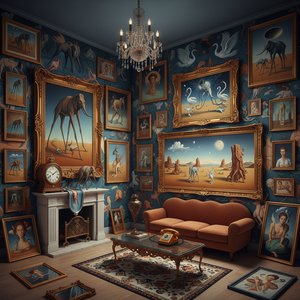
The interplay between art and architecture significantly impacts the overall aesthetic experience. Historical examples demonstrate how intentional design can elevate interior spaces, creating environments that are both visually stunning and emotionally evocative. Consider Carl Fieger’s 1911 watercolor design for a German Embassy cabinet, showcasing Bauhaus influence through muted greens and golds – a stunning architectural study that harmonizes form and function. Salvador Dali’s ‘Design for a Stable-Library,’ while surreal, exemplifies the power of blending unexpected elements to create a unique atmosphere.
Modern interiors often benefit from minimalist framing styles that allow the art itself to take center stage, emphasizing its colors, textures, and composition. Conversely, more ornate frames can complement traditional spaces, adding layers of richness and historical context. The goal is to create a visual dialogue between the artwork and its environment – ensuring that each element enhances the other. Pay attention to scale; oversized artworks can make a bold statement in larger rooms, while smaller pieces are better suited for intimate settings.
The placement of artwork also matters. Consider sightlines and focal points within the room. A striking piece positioned at the end of a hallway or above a fireplace will naturally draw the eye, creating a sense of drama and visual interest.
Beyond Aesthetics: Strategic Art Collections for Brand Identity & Commercial Spaces
Art’s impact extends far beyond residential settings; it plays a crucial role in commercial spaces, particularly for brand building and creating a cohesive identity. As highlighted in ‘Cultivating a Brand Aesthetic: A Strategic Guide to Building Cohesive Art Collections for Commercial Spaces,’ art that reflects your company values enhances the customer experience, fostering loyalty and reinforcing your brand message.
Curating collections aligned with your mission creates a memorable impression and differentiates you from competitors. Regular rotation keeps spaces fresh and engaging, preventing stagnation and attracting repeat visitors. Working directly with artists allows for custom pieces that perfectly embody your brand aesthetic – a powerful statement of originality and commitment to creativity. This approach extends beyond visual appeal; it reinforces your company’s identity and creates a unique atmosphere.
Consider the psychology of color in commercial settings. Certain colors evoke specific emotions, influencing customer behavior and perceptions. For example, blues and greens often convey trust and tranquility, making them ideal for financial institutions or healthcare facilities, while warmer tones like reds and oranges can stimulate energy and excitement, suitable for restaurants or retail spaces.
Preserving Your Investment: Conservation, Documentation & Long-Term Collection Care
Maintaining a dynamic art collection requires diligent attention to storage, handling, and conservation practices. Invest in acid-free archival materials to protect artworks from damage – including backing boards, interleaving tissue, and protective sleeves. Control humidity and temperature levels to prevent warping or fading; ideally, maintain a consistent environment between 65-70% humidity and 68-72°F. Handle artwork with care, using gloves and appropriate lifting techniques – supporting the entire piece rather than just the frame.
Regularly dust and clean pieces according to their specific requirements; avoid harsh chemicals or abrasive cleaners. For valuable or fragile artworks, consider professional conservation services. Proper documentation – including photographs, provenance records (history of ownership), condition reports, and appraisal information – is essential for insurance purposes and future appraisals.
Ultimately, a well-maintained art collection isn’t just an aesthetic asset; it's a valuable investment that can appreciate over time. By prioritizing conservation and documentation, you ensure its long-term integrity and preserve its cultural significance.