
The Historical Context of Commissions: From Patronage to Modern Requests
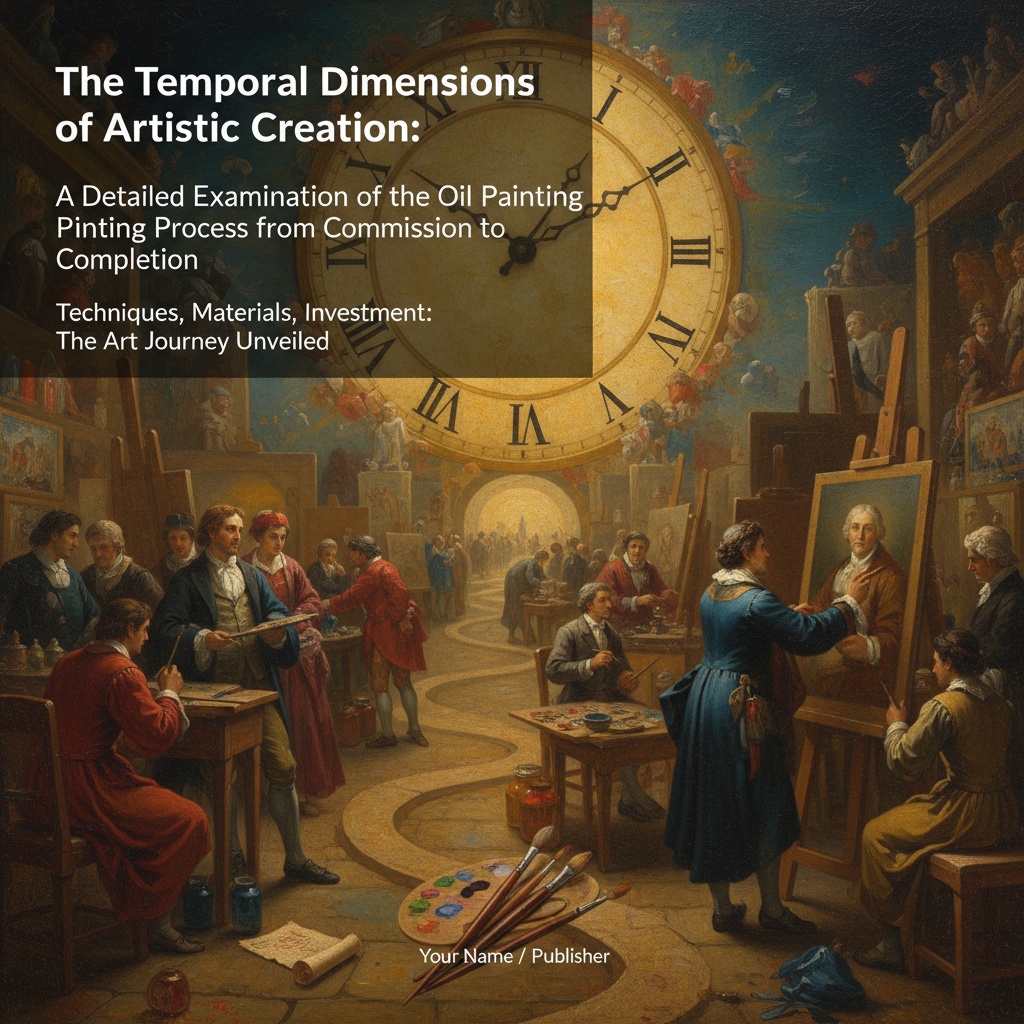
For centuries, the creation of a painting wasn’t born from solitary inspiration alone; it was often a dialogue—a carefully negotiated exchange between artist and patron. The Renaissance witnessed an unprecedented flourishing of commissioned art, fueled by wealthy families like the Medici who sought to immortalize their lineage, demonstrate piety, or simply possess objects of exquisite beauty. These weren't merely transactions; they were statements of power, faith, and cultural refinement. Artists like Botticelli and Leonardo da Vinci operated within a complex system of expectations, responding to specific briefs regarding subject matter, symbolism, and even stylistic preferences. The very act of commissioning dictated the artwork’s trajectory, influencing composition, scale, and narrative focus. While modern artists enjoy greater creative freedom, echoes of this historical dynamic persist. Today's commissions—whether for portraits, landscapes, or abstract pieces—still require a deep understanding of the client’s vision, translating personal narratives into tangible form. The initial consultation remains paramount, a delicate dance between artistic intent and individual desire.
Preparing the Ground: Canvas, Copper & The Foundations of Longevity
Oil on copper painting is the process of creating artworks by using oil paints with copper as the substrate. This is sometimes referred to as "copper as canvas" because canvas is the most well known surface material used for oil paintings. == Histo...
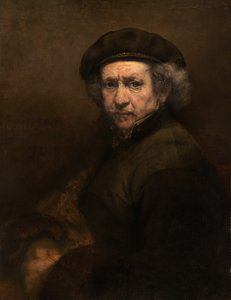
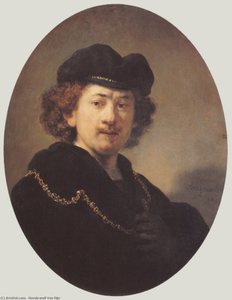
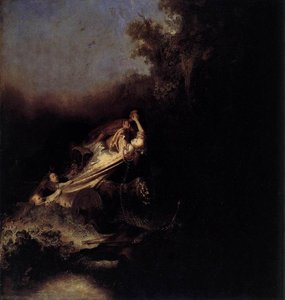
Before brush ever meets pigment, a crucial decision must be made: what surface will bear the weight of the artwork? For generations, canvas—woven from linen or cotton—has been the favored support. Linen, prized for its strength and durability, offers a more refined texture ideal for detailed work. Cotton, while less expensive, provides a smoother surface suitable for broader brushstrokes. However, the choice isn’t solely about material; it's about longevity. Historically, artists also turned to copper as an alternative substrate—a practice favored by masters like Rembrandt Harmensz. van Rijn. Copper offers exceptional smoothness, allowing for unparalleled detail and precision in rendering. More importantly, it resists rot, mildew, and insect damage, ensuring the artwork’s survival for centuries. Preparing the surface is equally vital: a sizing layer protects the fabric from atmospheric moisture, preventing swelling and cracking, followed by multiple coats of gesso to create a receptive ground. This meticulous preparation—often unseen but fundamental—establishes the foundation upon which the artistic process unfolds.
Underpainting Techniques: Building Form and Atmosphere with Masters' Methods
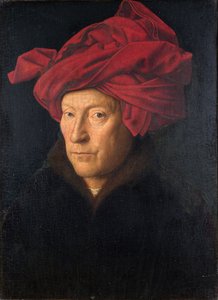
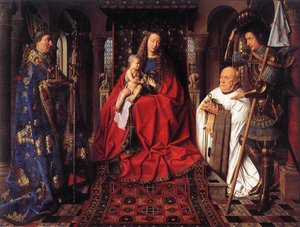
The underpainting – often executed in monochrome shades of grisaille or umber – is arguably the most crucial, yet least visible, stage in oil painting. It’s a foundational layer that establishes value structure, composition, and overall mood. Jan van Eyck, renowned for his meticulous realism, employed an incredibly detailed underpainting technique, building form through subtle gradations of tone and precise rendering of light and shadow. Titian, conversely, favored a more fluid approach, focusing on broad masses of color and expressive brushwork. This initial layer isn’t merely preparatory; it dictates the overall atmosphere of the painting, influencing subsequent layers and shaping the final aesthetic. The choice of medium—oil thinned with turpentine or other solvents—impacts drying time and transparency, allowing artists to build depth and complexity gradually. Some masters favored an ‘alla prima’ approach, completing sections wet-on-wet for a direct, expressive quality, while others preferred extended layering, allowing each layer to dry before applying the next.
Color Theory in Practice: Glazing, Scumbling & Achieving Luminosity
Once the underpainting establishes the foundational structure, the artist embarks on the captivating journey of color application. This is where individual style truly emerges—a testament to the artist’s unique vision and mastery of pigments. The palette choices of artists like James Abbott McNeill Whistler reveal their distinct approaches to harmony. Whistler favored a restrained palette dominated by earth tones and muted grays, creating atmospheric ‘nocturnes’ that evoke mood rather than precise representation. John Singer Sargent, conversely, employed a broader range of colors with a more direct application, capturing the vibrancy of light and movement. Techniques like glazing—applying thin, transparent layers of color—were essential for achieving depth and luminosity. Scumbling—applying broken color in a textured manner—created subtle optical mixing and atmospheric effects. The use of impasto—thickly applied paint—added tactile dimension and expressive energy. Contemporary artists often utilize handmade paints, prized for their unique consistency and pigment quality.
The Science of Drying Oil Paint: Layers, Varnishes & Preserving Your Investment
Unlike water-based paints that dry through evaporation, oil paints dry through oxidation – a chemical reaction with oxygen in the air. This process is surprisingly dynamic and can take weeks, months, or even years to complete fully, depending on factors like paint thickness, oil type (linseed, walnut, poppy), and environmental conditions. As the paint dries, it forms a flexible film susceptible to cracking if applied too thickly or over an unstable surface. The ‘fat over lean’ principle – applying layers with increasing oil content as one progresses—is crucial for preventing this degradation. Once fully dry, the application of varnish protects the painting from dust, dirt, and harmful UV radiation while enhancing color saturation. Gamblin varnishes, developed in collaboration with the National Gallery of Art, are widely regarded for their archival quality, ensuring the artwork’s longevity.
Finishing Touches & Framing: Presenting the Artwork for Enduring Impact
The final stages – detailing, glazing refinements, and varnish application—represent the culmination of the artist’s efforts. These aren't merely cosmetic; they are critical refinements that contribute significantly to the overall aesthetic appeal and enduring impact of the artwork. Detailing involves refining edges, adding highlights, and enhancing textures to create a sense of realism or expressive energy. A final glaze can subtly alter hues, deepen shadows, and unify the composition. Framing plays an equally vital role in presenting the artwork—a carefully chosen frame should complement the piece aesthetically without overwhelming it. Custom-made frames, designed to precise specifications, enhance the visual impact and protect the painting for generations. The journey from initial commission to completed artwork is a testament to artistic skill, patience, and dedication. ArtsDot.com offers access to skilled artists who meticulously recreate classic masterpieces, providing customization options to suit individual preferences and ensuring that each piece embodies the enduring legacy of fine art.