



The Alchemy of Metal: Understanding the Enduring Allure of Bronze
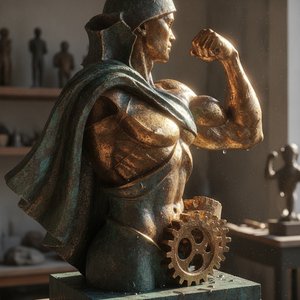
To behold a bronze sculpture is to witness a profound dialogue between the ephemeral human spirit and the eternal endurance of earth and fire. Unlike the fragile grace of watercolor or the delicate surface of a fresco, bronze possesses an inherent gravity, a weight that commands the space it inhabently occupies. This allure lies in its unique alchemy—the transformative process where raw copper and tin are forged into a medium capable of capturing the most subtle nuances of musculature, drapery, and emotion. For the discerning collector, bronze represents more than mere decoration; it is an investment in permanence.
The historical significance of this alloy cannot be overstated. Since antiquity, bronze has been the chosen vessel for the monumental and the divine. Its ability to withstand the ravages of time allows the artist’s vision to transcend generations, carrying the whispers of ancient civilizations into the modern era. There is a certain nobility in its oxidation, a slow metamorphosis known as patina that adds layers of historical depth to the work. As the metal reacts with its environment, it develops a skin of color—ranging from deep, chocolatey umbers to vibrant malachite greens—that serves as a visual record of its journey through time.
From Clay to Casting: The Intricate Artistry of the Lost-Wax Process
The creation of a bronze masterpiece is a labor of immense technical complexity, a multi-stage odyssey that begins far from the heat of the furnace. It commences in the quiet intimacy of the studio, where the sculptor works with the yielding plasticity of clay or wax. In this initial phase, every fingerprint and tool mark is an intentional gesture, a precursor to the final metal form. The artist breathes life into the medium, sculpting the tension of a limb or the softness of a facial expression with a precision that only the most tactile materials allow.
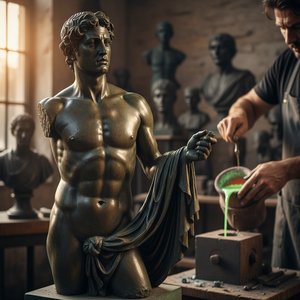
The transition from soft wax to hard metal is achieved through the legendary lost-wax process, or cire perdue. This method involves creating a mold around the original sculpture, into which molten bronze is poured. As the heat of the liquid metal consumes the internal wax, it leaves behind a hollow void that is perfectly replicated by the flowing bronze. This technique allows for unparalleled detail, capturing the minute textures that define high-quality casting. For the connoisseur, understanding this process is essential; it is the difference between a mere industrial casting and a true fine art reproduction that honors the sculptor's original hand.
A Legacy in Bronze: Exploring Neoclassical and Art Nouveau Masterpieces
Throughout the annals of art history, bronze has been the primary medium for defining eras. In the Neoclassical period, the metal was used to evoke the grandeur of Greco-Roman antiquity. Consider the Equestrian Statue of King William III by John Michael Rysbrack; here, the bronze serves to project power and dynamic realism, utilizing classical detail to immortalize a monarch with a sense of unshakeable authority. Such works rely on the strength of the alloy to support complex, gravity-defying compositions that celebrate heroism and order.
Conversely, the late 19th and early 20th centuries saw bronze embrace the fluid, organic rhythms of the Art Nouveau movement. Sculptors began to utilize the medium to explore more sinuous, decorative forms, much like the intricate allegories seen in the works of Marco Tobón Mejía. In these pieces, the metal is no longer just a tool for monumentality but a way to capture the delicate interplay of nature and ornament. Whether through the rigid discipline of Neoclassicism or the flowing elegance of Art Nouveau, bronze remains the definitive medium for expressing the aesthetic zeitgeist of an age.
The Collector's Eye: Evaluating Patina, Detail, and Sculptural Composition
For the serious collector, evaluating a bronze requires a sophisticated understanding of both surface and structure. The first point of scrutiny is often the patina. A masterfully applied patina does not merely coat the metal; it enhances its three-dimensional qualities by using light and shadow to define form. One must look for a depth of color that feels integrated into the metal rather than superficial. A patchy or poorly executed finish can obscure the artist's intent, whereas a rich, multi-tonal surface adds a sense of venerable age and complexity.
Beyond the surface, one must examine the technical execution of detail and the integrity of the composition. Does the sculpture maintain its balance? Is the tension in the subject's pose resolved through the metal's strength? High-quality bronze works exhibit a seamlessness where the transitions between planes are smooth yet distinct. The collector seeks pieces where the compositional rhythm—the way the eye moves across the work—is uninterrupted by casting flaws or structural inconsistencies. It is this rigorous attention to detail that separates a mere object from a true collectible.
Curating Permanence: Integrating Bronze Sculpture into Sophisticated Interiors
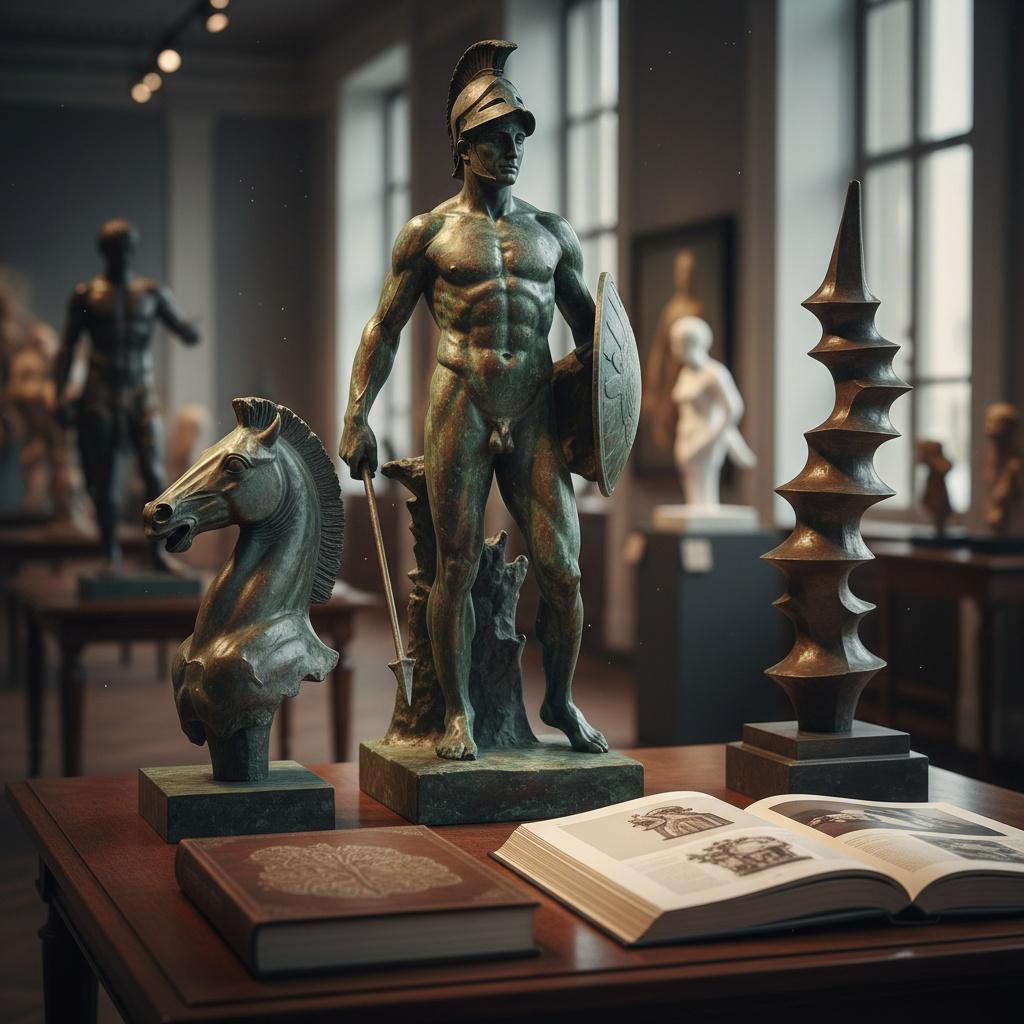
Integrating bronze into a modern or classical interior requires a thoughtful approach to scale and light. Because of its inherent visual weight, a bronze sculpture acts as an anchor within a room. In a large-scale architectural setting, a monumental piece can serve as a focal point, much like a grand painting, commanding attention and providing a sense of historical continuity. In more intimate spaces, smaller bronze works can be used to add texture and a sense of "found treasure" to bookshelves, consoles, or pedestals.
Lighting is the final, crucial element in curating these pieces. Because bronze relies on shadow to reveal its form, directional lighting is essential. Soft, warm light can accentuate the richness of a dark patina, while sharper, more dramatic light can highlight the crisp edges of a neoclassical figure. When placed correctly, bronze sculptures do not merely occupy space; they transform it, infusing contemporary environments with a sense of permanence, prestige, and an unbreakable connection to the storied traditions of fine art.
At ArtsDot.com, we celebrate this enduring legacy of craftsmanship. From providing expert consultations on acquiring museum-quality reproductions to assisting collectors in finding pieces that resonate with their personal aesthetic, our mission is to make the profound beauty of art history accessible to a global audience. Whether you are seeking to expand a long-standing collection or looking for that singular piece to anchor a new space, ArtsDot stands as your trusted partner in the pursuit of artistic excellence.