The Theater of Light: Chiaroscuro and the Power of Contrast
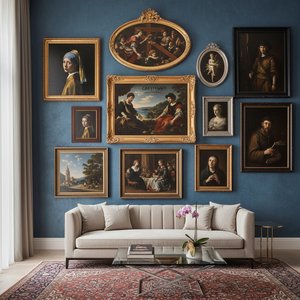
To step into a room adorned with Baroque masterpieces is to enter a theater where light itself performs the lead role. Unlike the soft, diffused luminosity we find in the Impressionist gardens of Monet, the 17th century embraced a much more confrontational relationship with illumination. This era perfected the technique of chiaroscuro—the dramatic interplay between deep, impenetrable shadows and piercing, sudden highlights. It is a method that does not merely illuminate a subject but carulated its very soul through contrast.
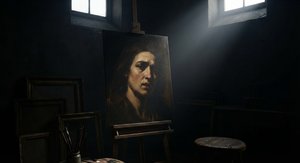
Consider the profound impact of this technique in works such as Guercino’s 'Saint Francois en Extase et Saint Benoit avec un Ange Musicien.' Here, the light does not gently rest upon the figures; it strikes them. The shadows act as a silent, heavy presence, pushing the holy figures forward into our consciousness, creating a sense of three-dimensional weight that feels almost tactile. This mastery of shadow allows the artist to sculpt form out of darkness, turning a flat canvas into a stage where every fold of fabric and every furrowed brow is etched by the brilliance of an unseen spotlight.
This tension between the seen and the unseen creates a psychological depth that remains unparalleled. When we observe the way light catches the edge of a saint's robe or the glint in an eye, we are reminded that much of human experience remains shrouded in mystery. The Baroque masters understood that truth is often found not in total clarity, but in the evocative struggle between the brilliance of revelation and the obscurity of the unknown.
Dynamic Motion: Capturing the Unfolding Moment in Baroque Composition
If light provides the drama, then movement provides the heartbeat of the Baroque period. While the Renaissance sought balance, stability, and the eternal stillness of a perfect circle, the 17th century broke that circle into a series of swirling, energetic diagonals. The compositions of this era are rarely at rest; they are caught in the midst of an unfolding event, inviting the viewer to witness a climax that is happening right before their eyes.
In the works of Pietro Testa, such as 'Venus and Adonis,' we see this kinetic energy in full bloom. The arrangement of figures—the descent of cherubs, the presence of the serpent, and the tension between the lovers—creates a visual path that leads the eye in a restless, captivating dance across the canvas. There is no single point of repose; instead, there is a sense of centrifugal force, as if the scene might spill out from the frame at any moment.
This preoccupation with movement serves to dissolve the boundary between the artwork and the spectator. By presenting scenes that feel transient and caught in motion, artists like Filippo Lauri in his 'Venus & Adonis' evoke a sense of urgency. We are not merely looking at a historical tableau; we are participants in a fleeting moment of passion or peril. This rhythmic complexity ensures that the viewer’s gaze is constantly engaged, tracing the arcs of limbs and the flow of drapery as they navigate the beautiful chaos of the composition.
Emotional Intensity: From Divine Ecstasy to Human Vulnerability
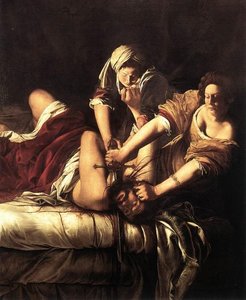
At its most profound level, Baroque art is an exploration of the extremes of human emotion. The era moved away from the idealized, serene faces of previous centuries to embrace a raw, often visceral realism. It sought to capture the heights of spiritual ecstasy and the depths of mortal suffering with equal fervor. This was an art designed to move the heart, to provoke tears, and to inspire awe through its unapologetic vulnerability.
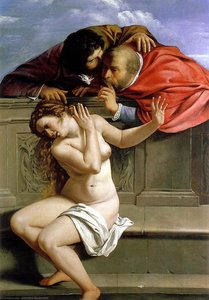
Artemisia Gentileschi stands as a towering figure in this emotional landscape. In her masterpiece 'Susanna and the Elders,' she navigates the delicate balance between courage and terror. The painting does not shy away from the psychological weight of the subject; the tension in Susanna’s posture and the predatory shadows cast by the elders create an atmosphere of palpable anxiety. It is a profound study of human vulnerability, rendered with a realism that makes the emotional stakes feel devastatingly real.
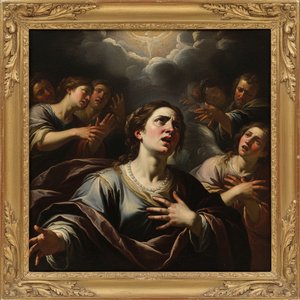
This spectrum of emotion extends from the celestial to the terrestrial. We see it in the rapturous, light-drenched faces of saints experiencing divine visions, and we see it in the tragic, heavy-hearted depictions of mythological figures facing their fates. The Baroque artist utilized every tool at their disposal—the weight of a shadow, the curve of a muscle, the intensity of a gaze—to ensure that the viewer felt the pulse of the narrative, making the art not just something to be seen, but something to be felt.
Symbolism and Allegory: Decoding the Hidden Narratives of the 17th Century
Beneath the surface of the dramatic movement and intense light lies a complex web of symbolism and allegory. To the educated eye of the 17th century, no element was accidental. A serpent, a specific flower, or even the direction of a shadow served as a coded language, layering the painting with intellectual depth and moral instruction. This allegorical richness transformed every canvas into a puzzle for the contemplative mind.
The concept of allegory allowed artists to discuss profound philosophical truths through much more accessible, visual means. In works like Franz Anton Maulbertsch’s 'Allegory on the Fate of Art,' we encounter a swirling world where nude figures and shadows coalesce to tell a story about the endurance of creativity itself. The use of chiaroscuro here is not just aesthetic; it is symbolic, representing the struggle of art to emerge from the darkness of oblivion into the light of history.
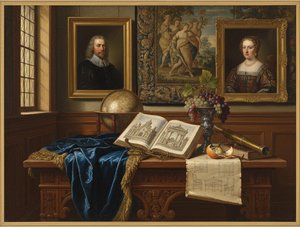
Decoding these works requires an appreciation for the cultural zeitgeist of the time—a period where science, religion, and mythology were deeply intertwined. Every cherub in a Pietro Testa painting or every divine light in a Guercino piece carries the weight of tradition and meaning. For the modern enthusiast, engaging with these symbols offers a way to reconnect with a lost era of profound storytelling, where every brushstroke was an invitation to contemplate the eternal.
The Legacy of Grandeur: How Baroque Aesthetics Shape Modern Visual Drama
Though centuries have passed since the height of the Baroque, its DNA remains embedded in our modern visual vocabulary. We see its echoes in the dramatic lighting of cinematic noir, the intense compositions of contemporary photography, and even in the symbolic depth of modern graphic design. The Baroque taught us that to capture attention, one must embrace contrast; to move an audience, one must embrace emotion.
The grandeur of the 17th century continues to inspire those who seek to bring a sense of weight, history, and drama into their personal environments. Whether through the acquisition of a museum-quality reproduction or the commissioning of a custom piece that reimagines classical themes, the spirit of the Baroque allows us to surround ourselves with art that possesses a soul. It remains a testament to the power of human creativity to transform mere pigment and canvas into an eternal, breathing drama.
At ArtsDot.com, we are dedicated to preserving this legacy of grandeur. We specialize in bringing these breathtaking moments of history into the modern home through meticulous, hand-painted oil reproductions. Our master artists, trained in the rigorous traditions of fine arts academies, use the same techniques—the layered glazes, the expressive impasto, and the masterful chiaroscuro—to ensure that every piece captures the true essence of the Baroque masters. Whether you are looking to transform a personal memory into a classical masterpiece or wish to adorn your walls with the dramatic intensity of the 17th century, we invite you to explore our collection and experience the enduring power of art history.