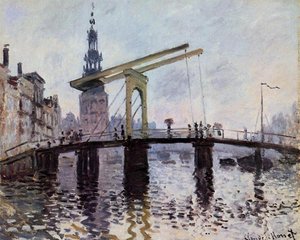
The Dancing Reflections: Understanding the Impressionist Spirit on Dutch Waters
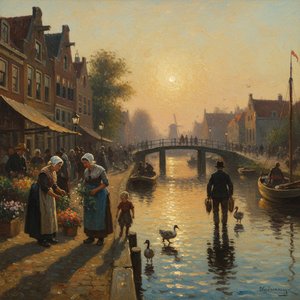
There is a particular, quiet magic that settles over Amsterdam when the sun begins its slow descent toward the horizon, casting long, amber shadows across the historic canal rings. For those of us who have spent decades finding solace in the soft textures of a canvas, this moment is more than mere scenery; it is a profound dialogue between light and water. The Impressionist movement, with its heartbeat tuned to the rhythm of the ephemeral, found in these Dutch waterways a perfect subject for exploration. Unlike the rigid, structured landscapes of previous eras, the Impressionist approach sought to capture the very soul of the canal—not as a static map of stone and brick, but as a living, breathing entity of movement and light.
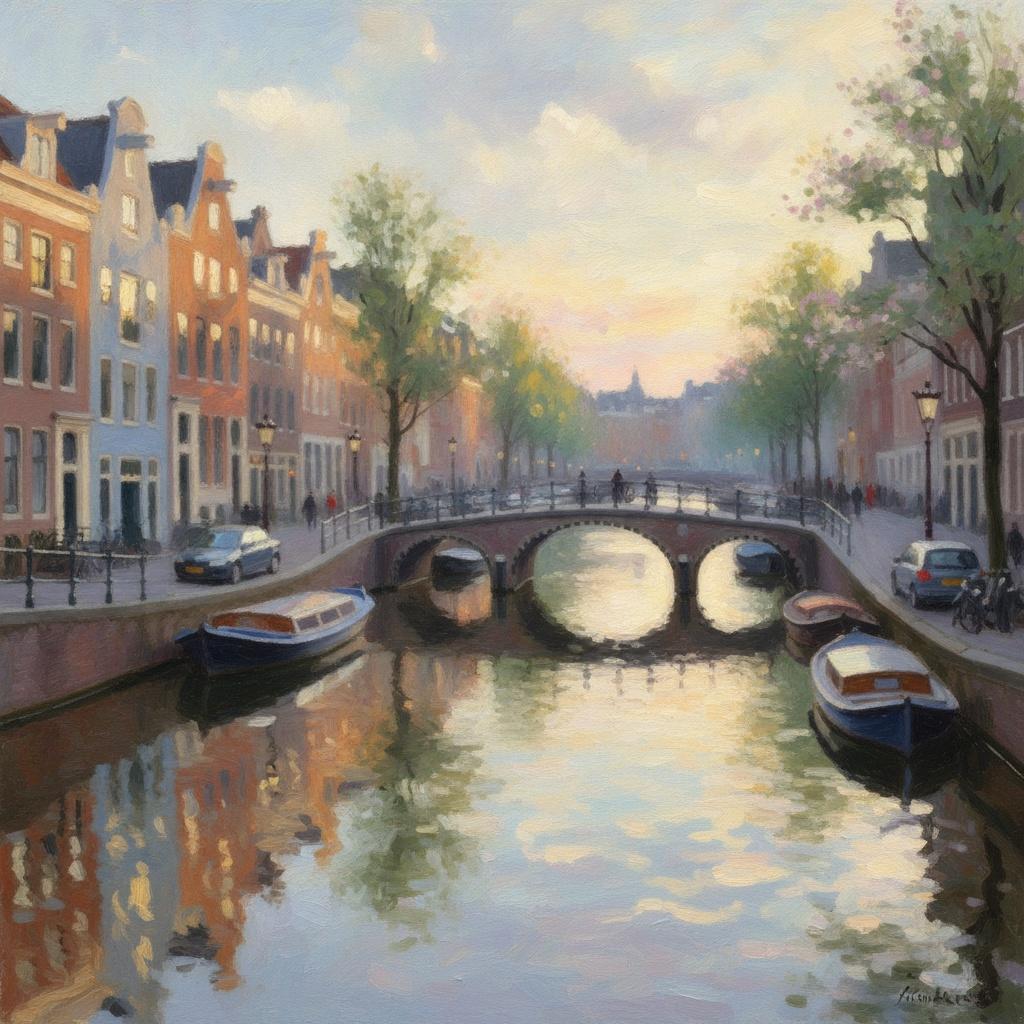
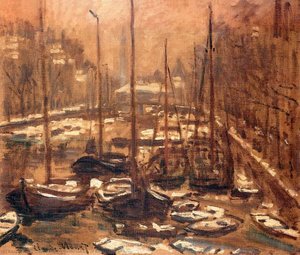
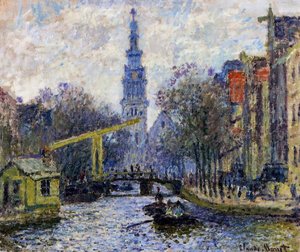
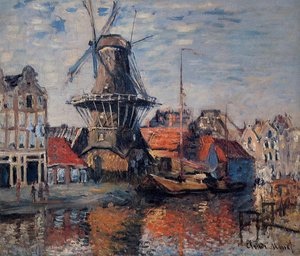
To look upon an Impressionist depiction of the Amsterdam canals is to witness a dance. The water does not simply sit; it ripples with the memory of passing boats and the gentle breath of the wind. The artists sought to translate this fluidity into visible brushstrokes, where the boundary between the sky and its reflection becomes beautifully blurred. For the seasoned lover of art, there is an intimate joy in recognizing this pursuit of the momentary. It is a celebration of the transient, reminding us that beauty often lies in the fleeting shimmer on a dark wave or the way a sudden cloud momentarily softens the glow of a streetlamp reflected in the deep, silken depths of the Prinsengracht.
En Plein Air by the Canal: The Technique of Capturing Fleeting Light
The true essence of this movement lies in the practice of en plein air—the courageous act of stepping out from the controlled environment of the studio and into the unpredictable elements of nature. Imagine the artist, easel positioned precariously near a canal edge, working with a sense of urgency to catch the light before it shifts. This technique demands a certain bravery and a deep connection to the atmosphere. There is no time for meticulous, microscopic detail when the sun is playing hide-and-seek behind a veil of Dutch mist; instead, there is a reliance on the spontaneous application of paint, where each stroke serves as a direct record of a sensory experience.
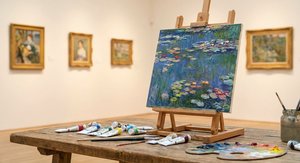
This method breathes life into the work. When we observe these masterpieces, we are not merely looking at a finished product, but at the very energy of the artist’s encounter with the landscape. The texture of the paint—often applied in thick, impasto layers—mimics the physical presence of the world itself. You can almost feel the dampness of the canal air and the coolness of the evening breeze within the ridges of the oil. It is this tactile quality that separates a true Impressionist work from a mere observation; it is an emotional transcription of light, captured through the rhythmic movement of the hand and the uninhibently expressive use of the brush.
A Symphony of Blue and Gold: Color Palettes of the Amsterdam Canals
Color, in the hands of the Impressionist, is far more than a descriptive tool; it is the primary language of emotion. In the context of the Amsterdam canals, the palette often unfolds like a carefully composed symphony. There is a profound interplay between the deep, melancholic blues and teals of the canal waters and the warm, radiant golds and ochres of the sun-drenched architecture. These contrasting temperatures create a visual tension that is both soothing and stimulating to the eye. The shadows are rarely black or grey; instead, they are infused with violets, deep indigos, and even subtle emerald greens, reflecting the complex light of a maritime climate.
As we gaze into these works, we notice how the artists used color to suggest depth and atmosphere without the need for harsh outlines. A soft lavender might denote the haze of a distant bridge, while a sudden stroke of bright cadmium yellow can represent a single spark of sunlight hitting a passing barge. For the collector, these palettes offer a way to evoke specific moods within a home. A painting dominated by cool, tranquil blues can bring a sense of serenity to a quiet study, while a work rich with golden light can breathe warmth and vitality into a sunlit morning room, much like the very sunlight it depicts.
Beyond the Canvas: How Impressionism Reimagined the Dutch Landscape
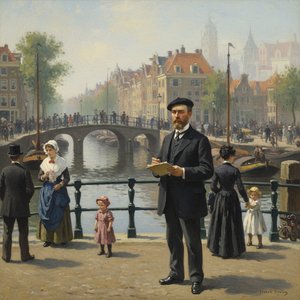
While the Dutch Golden Age had already established a magnificent tradition of landscape painting, the Impressionist movement offered a radical reimagining of what a landscape could be. Where the masters of the 17th century focused on topographical accuracy and the meticulous rendering of texture and light, the Impressionists moved toward the subjective. They were less concerned with the "what" of the canal and more focused on the "how"—how the light felt, how the atmosphere weighed upon the viewer, and how the colors merged in the eye.
This shift allowed for a much more poetic interpretation of the Dutch landscape. The canals became stages for light to perform its most dramatic acts. The architecture of Amsterdam, while still recognizable, became part of a larger, more fluid composition where buildings seemed to dissolve into the atmosphere. This reimagining invited the viewer to participate in the painting, to complete the forms with their own imagination and memory. It transformed the landscape from a documented reality into an impressionistic dreamscape, where the boundaries between the physical world and the emotional response to it are beautifully, inextricably intertwined.
Bringing the Glow Home: Curating Impressionist Masterpieces for Your Private Collection
For those of us who have spent a lifetime admiring these luminous works, the desire to surround ourselves with such beauty is a natural extension of our passion. Bringing an Impressionist masterpiece into your home is not merely about decoration; it is about curating an atmosphere of reflection and grace. A well-chosen piece, perhaps a reproduction that captures the authentic impasto and tonal depth of the original, can serve as a window into another time and a different way of seeing. It offers a daily opportunity to pause and reconnect with the simple, profound beauty of light and water.
When selecting works for your collection, consider how the movement's characteristic light will interact with your personal space. An expansive, multi-panel work can transform a large wall into a sweeping vista of the Dutch waterways, while a smaller, more intimate study can provide a focal point of quiet contemplation in a reading nook. Whether you are drawn to the vibrant energy of a sunlit afternoon or the moody, reflective depths of a twilight canal, these paintings offer a timeless elegance. At ArtsDot.com, we take immense pride in helping collectors realize these dreams through our hand-painted oil reproductions, ensuring that the soul, the texture, and the luminous spirit of the Impressionist masters can be cherished in your own home for generations to come.