


The Luminous Gaze: How Light and Color Define the Impressionist Soul
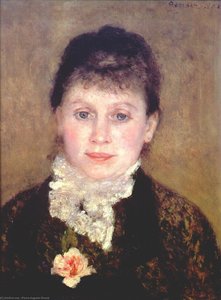
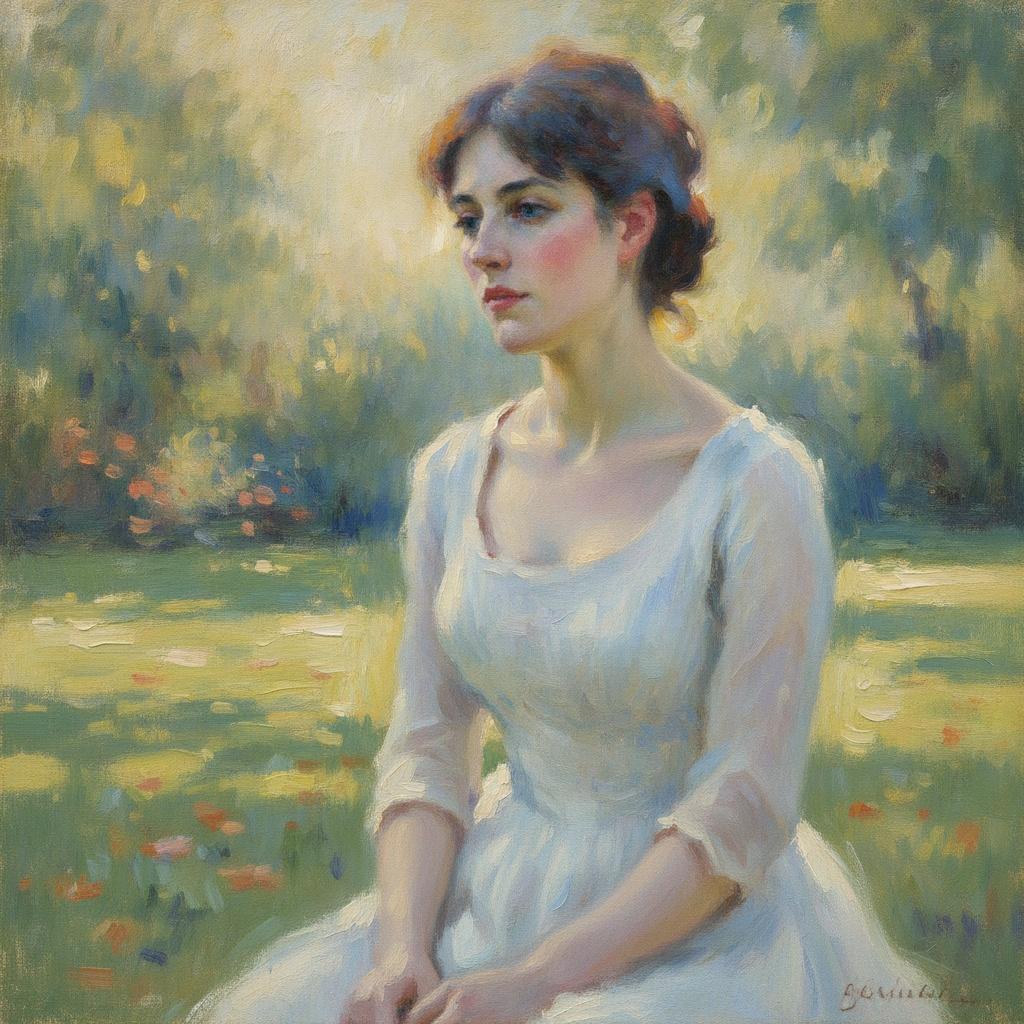
To step into the world of Impressionist portraiture is to abandon the rigid, somber boundaries of traditional studio lighting and enter a realm where the air itself seems to vibrate with color. For those of us who have spent decades admiring the soft glow of a Renoir or the dappled sunlight in a Monet, we know that these artists were not merely painting faces; they were painting the very atmosphere that surrounds them. The soul of an Impressionist portrait does not reside in the precise anatomical accuracy of a feature, but in the way light dances across a cheekbone or dissolves the edge of a shoulder into the background.
The true revolution lay in the rejection of black and heavy shadows. Instead, these masters utilized a palette of pure, unadulterated color to suggest depth and form. Shadows were no longer mere absences of light but were instead composed of deep blues, violets, and soft ochres, reflecting the ambient light of the sky or the surrounding garden. This technique creates a sense of luminosity that feels as though the canvas is breathing. When we gaze upon these works, we are not just looking at a person; we are experiencing a specific, fleeting moment in time, captured through the delicate interplay of pigment and perception.
This mastery of light allows the subject to emerge from the canvas with a soft, ethereal quality. It is a sensory experience that transcends the visual, touching upon the warmth of a summer afternoon or the cool mist of a morning in Giverny. By prioritizing the optical sensation of light over the structural permanence of form, the Impressionists invited us to feel the pulse of life within the portrait.
Beyond the Surface: The Emotional Depth of Post-Impressionist Brushwork
As we move from the soft, atmospheric whispers of Impressionism into the more structured, emotive world of Post-Impressionism, the brushstroke undergoes a profound transformation. If the Impressionists sought to capture the eye, the Post-Impressionists—think of the legendary Van Gogh or the rhythmic precision of Seurat—sought to capture the heart and the intellect. Here, the brushwork becomes more deliberate, more sculptural, and deeply personal.
In the hands of a master like Van Gogh, every stroke is an emotional utterance. The impasto technique, where paint is applied so thickly that it rises from the canvas in physical ridges, creates a tactile energy that is impossible to ignore. These are not merely marks on a surface; they are traces of the artist's movement, their struggle, and their passion. The texture itself carries weight, adding a layer of psychological depth that speaks to the turbulence or the tranquility of the subject’s inner state.
Conversely, artists like Seurat introduced a scientific rigor through pointillism, using tiny, distinct dots of color that merge only in the viewer's eye. This method requires an incredible discipline, yet it achieves a shimmering, almost magical stability. Whether through the swirling energy of thick oil or the meticulous placement of light points, Post-Impressionist portraiture moves beyond the external appearance to explore the textured landscape of human emotion and the structural essence of our existence.
A Symphony of Shadows: Capturing Fleeting Moments in Portraiture
There is a certain melancholy, a beautiful transience, inherent in the Impressionist approach to portraiture. It is the art of the "fleeting moment." Unlike the formal, static portraits of the Renaissance that sought to immortalize subjects in eternal, unmoving poses, Impressionism embraces the ephemeral. A subject might be caught mid-laugh, or perhaps lost in a momentary daydream, their features softened by the shifting shadows of a passing cloud.
This focus on the transient allows for a profound intimacy between the viewer and the subject. We are not observing a monument; we are witnessing a life in motion. The use of "broken color"—placing small strokes of different hues side by side—mimics the way our own eyes perceive movement and light. This technique prevents the portrait from feeling static or heavy, instead imbuing it with a rhythmic vitality that suggests the subject might move at any second.
In these works, shadows act as the silent conductors of this visual symphony. They provide the necessary contrast to highlight the brilliance of the light, yet they are never heavy enough to stifle the movement. By mastering the balance between the visible and the obscured, these artists taught us that the most profound truths are often found in the subtle, passing transitions of a single, unrepeatable moment.
Mastering the Moment: The Technical Brilliance of Renoir, Degas, and Monet
To truly appreciate the magic of this era, one must look closely at the individual technical triumphs of its greatest practitioners. Pierre-Auguste Renoir possessed an unparalleled ability to render the softness of human skin, using a delicate touch that made his subjects appear as if they were bathed in a permanent, rosy glow. His portraits are celebrations of warmth and conviviality, where color flows seamlessly across the canvas like silk.
Edgar Degas, however, brought a different kind of mastery to the genre. With his fascination with movement and unconventional compositions, he often utilized the perspective of a voyeur, capturing dancers or bathers in candid, off-center arrangements. His use of line and form, influenced by Japanese prints, provides a structural elegance that complements his ability to capture the physical grace of his subjects.
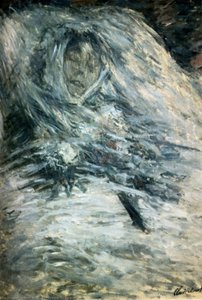
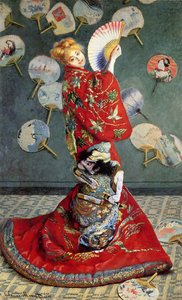
Claude Monet, while primarily celebrated for his landscapes, brought an unparalleled understanding of color theory to any portraiture he touched. For Monet, the subject was often secondary to the light hitting it. He would paint the same scene or subject at different hours of the day, demonstrating how the entire emotional temperature of a portrait could shift from the cool blues of dawn to the fiery oranges of sunset. Together, these artists created a technical foundation that redefined what a portrait could be: not just a record of a face, but a record of light, movement, and atmosphere.
The Living Canvas: Bringing the Magic of Impressionism into the Modern Home
For the true lover of art, the desire to surround oneself with these luminous works is more than a decorative choice; it is an attempt to invite that same sense of peace, light, and emotional resonance into our daily lives. In a modern world that often feels hurried and digitally saturated, the tactile depth of a hand-painted oil reproduction offers a much-needed connection to the physical and the profound.
When you choose a piece that celebrates the Impressionist spirit, you are bringing more than just color to your walls; you are bringing a window into a more contemplative era. A high-quality reproduction, where the artist’s brushstrokes are visible and the texture of the oil paint creates real depth, allows the soul of the original work to breathe within your own space. Whether it is a large-scale landscape that expands the boundaries of a room or an intimate portrait that serves as a focal point for reflection, these works transform a house into a sanctuary of culture.
At ArtsDot.com, we believe that this beauty should be accessible to those who cherish it most. We specialize exclusively in the masters of light and color, offering meticulously hand-painted reproductions that honor the academic excellence of the original movements. From the thick, emotive impasto of Van Gogh to the sun-drenched elegance of Renoir, our mission is to ensure that the magic of Impressionism continues to illuminate modern homes, one brushstroke at a time.