

The Alchemy of Wet Plaster: Understanding the Soul of Buon Fresco
Buon fresco (Italian for 'true fresh') is a fresco painting technique in which alkaline-resistant pigments, ground in water, are applied to wet plaster. It is distinguished from the fresco-secco (or a secco) and finto fresco techniques, in which pain...
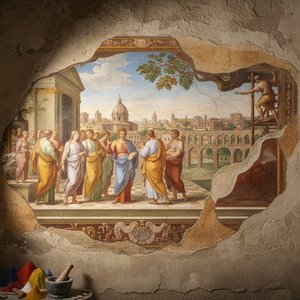
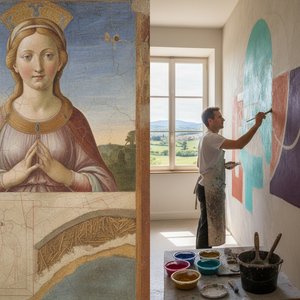
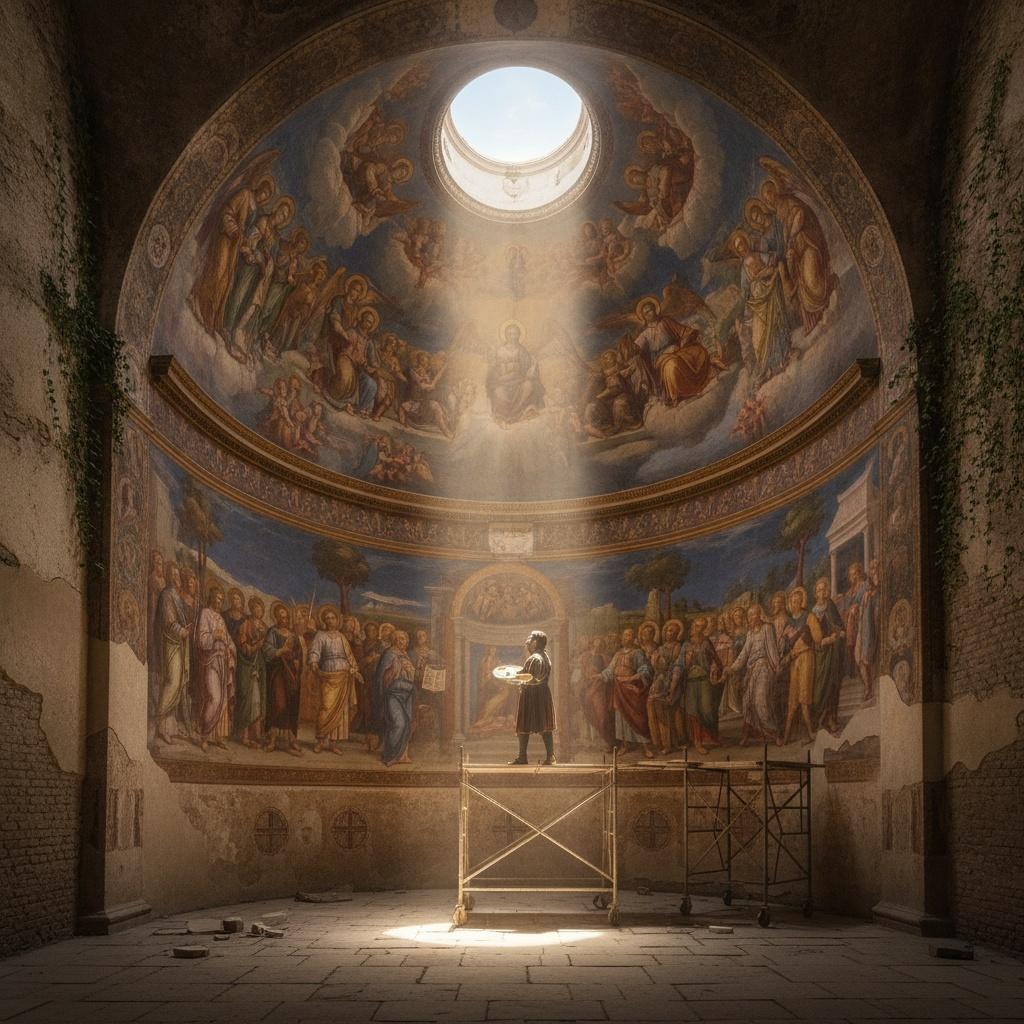
To understand the fresco is to understand a profound intimacy between the artist, the pigment, and the very bones of a building. Unlike a canvas that sits upon a wall, a true buon fresco becomes one with it. The term itself, derived from the Italian word for "fresh," whispers of the urgency and passion required in its creation. It is a technique of breathtaking vulnerability, where pigments ground in water are applied to a thin layer of wet, fresh lime plaster known as the intonaco. There is no room for hesitation here; the artist must work with a rhythmic, almost meditative speed while the surface remains damp.
As the water evaporates and the lime reacts with the air in a delicate chemical process called carbonatation, the colors are not merely sitting on the surface but are being locked into a permanent crystalline mesh. This is the alchemy of the medium—the transformation of dust and water into a durable, luminous skin. While techniques like fresco-secco allow for painting on dry plaster, they lack that eternal bond, often prone to flaking over the centuries. In buon fresco, however, the pigment is swallowed by the wall, creating a depth of color and a matte, ethereal glow that no other medium can replicate. It is a marriage of materials science and pure, unadulterated spirit.
A Journey Through Time: From Ancient Caves to Renaissance Grandeur
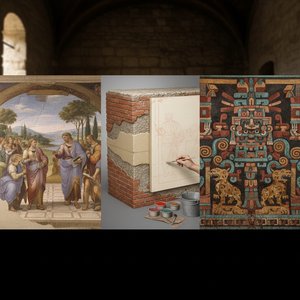 The Enduring Legacy of Fresco: Technique, History & Artistic Expression Across Cultures
The Ancient Roots of Fresco: From Minoan Walls to Roman Villas The story of fresco painting isn’t simply a chronicle of artistic development; it's a testament to humanity’s enduring desire to capture moments, beliefs, and stories on the very surfaces...
The story of the fresco is, in many ways, the story of humanity’s desire to leave a mark that outlasts our breath. Long before the refined studios of Florence, the primal urge to depict our world found expression in the shadows of caves like Lascaux. While these ancient precursors lacked the sophisticated lime-plaster technology of later eras, they established the fundamental concept of mural art as a vessel for cultural memory. As civilizations flourished, so too did the complexity of their walls. We see the vibrant, sun-drenched narratives of the Minoan palaces on Crete and the intricate, mythological landscapes adorning the villas of ancient Rome, where the fresco served as both decoration and a window into a storied past.
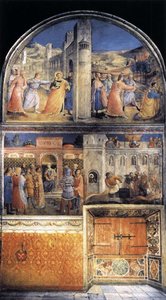
The zenith of this evolution arrived with the Renaissance, a period when the revival of classical antiquity breathed new life into the medium. This was an era where the wall became a stage for the most profound human dramas. From the spiritual intensity found in the works of Fra Angelico at the San Marco Monastery to the monumental, cosmic scale of Michelangelo’s Sistine Chapel, the fresco reached a level of technical and emotional sophistication that remains unsurpassed. These works were not merely paintings; they were architectural interventions that transformed cold stone into living, breathing histories, documenting the religious fervor and societal values of an age of discovery.
Light and Devotion: The Spiritual Resonance of Masterpiece Murals
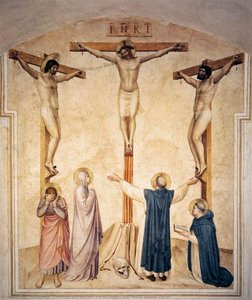
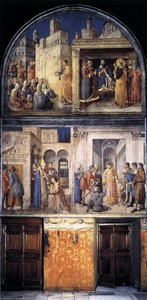 N,wall - North wall of the chapel
A Testament to Faith: Fra Angelico’s ‘N,wall – North Wall of the Chapel’ Fra Angelico's “N,wall – North wall of the Chapel” stands as a profoundly moving testament to the devotional spirit of the Italian Renaissance. This fresco, meticulously execute...
There is a particular quality of light that resides within a well-executed fresco—a soft, diffused radiance that seems to emanate from within the plaster itself. This luminosity is central to the devotional power of Renaissance works. Consider the North Wall of the San Marco Chapel by Fra Angelico; here, the technique allows for a delicate modeling of figures that conveys both physical presence and an almost otherworldly grace. The light does not just strike the surface; it inhabits it, inviting the viewer into a state of quiet contemplation and prayerful intimacy.
This spiritual resonance extends to the most iconic achievements in art history, such as Michelangelo’s frescoes above the altar wall in the Sistine Chapel. In these works, the scale is overwhelming, yet the execution remains profoundly human. The mastery of anatomy and the dramatic use of composition serve to elevate the narrative from the earthly to the divine. Whether it is the depiction of Christ’s sacrifice or the primordial creation of Adam, the fresco medium provides a sense of permanence that mirrors the eternal nature of the subjects being depicted. To stand before such works is to feel the weight of history and the lightness of the spirit simultaneously.
The Modern Renaissance: Bringing Architectural Majesty into the Contemporary Home
 The Return of the Fresco: Why Wall Murals Are the New Luxury Statement
The Enduring Allure of Mural Art: A Historical Perspective Frescoes above the entrance wall Michelangelo’s breathtaking frescoes above the entrance wall at the Sistine Chapel! Admire Renaissance artistry & detail in this iconic masterpiece. Explore r...
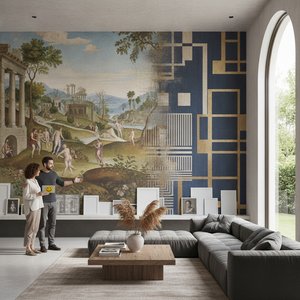
In our modern era, characterized by the fleeting and the mass-produced, there is a growing longing for the permanent and the bespoke. We see a resurgence of interest in mural art, not merely as decoration, but as a luxury statement that defines the soul of a space. The contemporary interior landscape is shifting away from transient wallpapers toward much more profound, experiential elements. Large-scale wall murals are being reimagined as the new frontier of high-end design, allowing even the most modern residences to possess a sense of historical weight and architectural grandeur.
This modern revival allows us to bridge the gap between the museum and the home. The ability to integrate large-format works—perhaps even multi-panel compositions that flow across wide walls or staircases—offers a way to create a cohesive, dramatic atmosphere. Just as the great masters once transformed cathedrals, today’s collectors use these grander scales to create personal sanctuaries. Whether it is through the bold, social realism of 20th-century Mexican Muralism by artists like Diego Rivera or the delicate, light-drenched aesthetics of a custom-commissioned piece, the mural remains a powerful tool for personalizing our environments with dignity and depth.
Preserving the Glow: The Art of Curating Timeless Wall Art
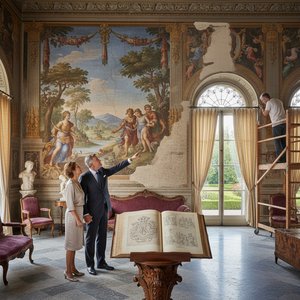 The Fresco as Family Legacy: Preserving Heritage Through Wall Art
A Timeless Art Form: Understanding Fresco Painting Wikipedia: Fresco (pl. frescos or frescoes) is a technique of mural painting executed upon freshly laid ("wet") lime plaster. Water is used as the vehicle for the dry-powder pigment to merge with the...
Curating a collection of art that possesses this "eternal glow" requires a discerning eye and a deep respect for the integrity of the medium. For those of us who have spent decades admiring the soft textures of Impressionism or the structural brilliance of the Renaissance, the challenge lies in finding pieces that offer true tactile depth. A true reproduction must capture more than just color; it must capture the visible brushstrokes, the impasto texture, and the tonal range that a mere print simply cannot convey. It is about seeking the "soul" of the painting—the subtle variations that occur when an artist works with oil on canvas.
As we look to preserve these legacies within our own homes, we must also consider the longevity of our collections. Proper care, such as using acid-free materials and protecting works from direct sunlight, ensures that the vibrancy of the pigments remains intact for generations. Art is a lasting memory, a way to anchor ourselves in beauty. By choosing pieces that honor the traditions of the masters—whether through bespoke commissions or meticulously crafted reproductions—we ensure that the light of the past continues to illuminate our present, creating a legacy of beauty that is as enduring as the fresco itself.