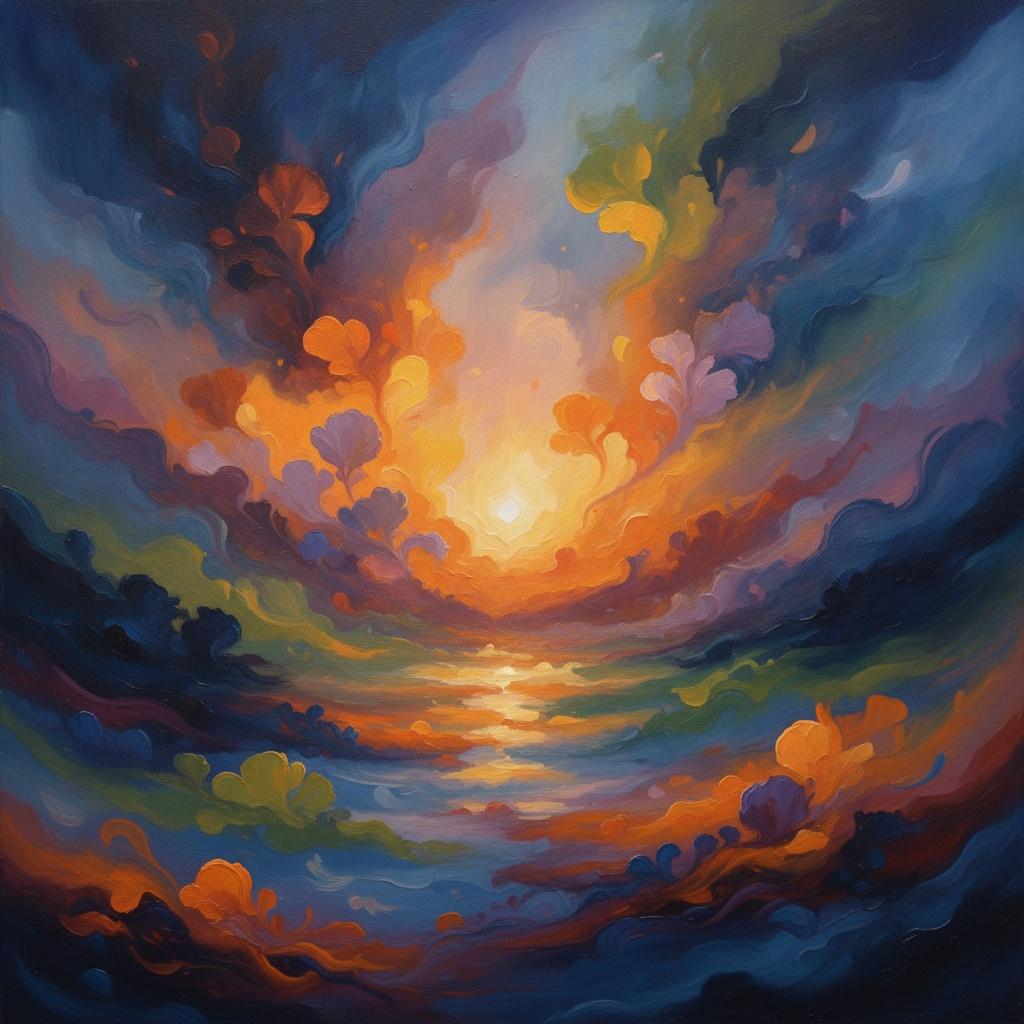
The Prelude to Abstraction: From Impressionist Light to Pure Emotion
Abstract expressionism in the United States emerged as a distinct art movement in the aftermath of World War II and gained mainstream acceptance in the 1950s, a shift from the American social realism of the 1930s influenced by the Great Depression an...
To understand the profound shift toward Lyrical Abstraction, one must first revisit the soft, dappled light of our beloved Impressionists. For decades, we have found solace in the way Monet captured a fleeting moment on a lily pond or how Renoir imbued his figures with a warm, sun-drenched glow. These masters taught us that art is not merely about the rigid depiction of reality, but about the perception of atmosphere and the ephemeral quality of light. However, as the twentieth century dawned, a seismic shift began to occur within the creative consciousness. The focus started to drift from the external world—the visible landscape and the recognizable figure—towently inward.
This transition was not a sudden rupture but a gradual, poetic unfolding. As artists began to move beyond the boundaries of what could be seen, they sought to capture what could only be felt. The Impressionist fascination with light paved the way for an exploration of color as an independent force. Where a Monet landscape used color to describe a haystack or a cathedral, the pioneers of abstraction began to use color to describe a heartbeat, a sorrow, or a sudden burst of joy. It was a movement from the eye to the soul, where the canvas ceased to be a window onto a garden and became a mirror reflecting the depths of human experience.
The Visual Poem: Deciphering the Language of Lyrical Abstraction
Lyrical abstraction arose from either of two related but distinct trends in Post-war Modernist painting: European Abstraction Lyrique: a movement that emerged in Paris, with the French art critic Jean José Marchand being credited with coining its nam...
Lyrical Abstraction is, at its very essence, a visual poem. It is a genre where the traditional constraints of narrative and subject matter dissolve into a fluid dance of pigment and motion. When we gaze upon these works, we are not looking for a story in the conventional sense; rather, we are invited to experience a cadence of color. The term itself suggests a certain musicality, a rhythmic arrangement of forms that resonates with the viewer on a subconscious level. It is an art form that rejects the hard edges of geometric abstraction in favor of something much more organic and breathing.
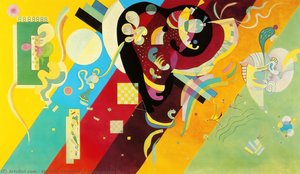
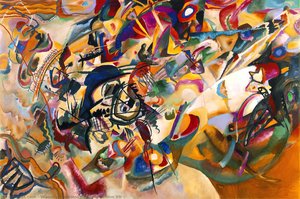
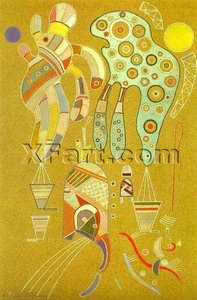
Deciphering this visual language requires us to set aside our desire for recognition. In a piece like Kandinsky’s Lyrical (Lyrics), we might sense the ghost of a galloping horse or the soaring flight of birds, yet these are merely anchors for our imagination. The true subject is the energy itself—the way a vibrant blue bleeds into a soft ochre, or how a sharp, dark line cuts through a field of light. This ambiguity is the movement's greatest strength, allowing each viewer to bring their own memories and emotions to the canvas. It is an intimate dialogue between the artist’s inner necessity and the observer’s receptive spirit.
A Symphony of Form: The Influence of Music and Movement in Abstract Works
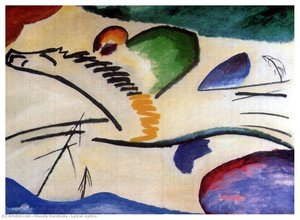 Lyrical (Lyrics)
A Symphony of Color and Motion: Exploring Kandinsky’s *Lyrical (Lyrics)* Wassily Kandinsky's *Lyrical (Lyrics)*, painted in 1911, is a pivotal work marking a significant leap towards pure abstraction. Measuring 94 x 130 cm and executed in oil on canv...
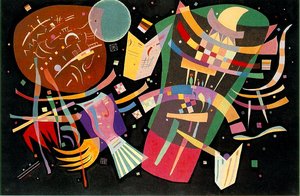
There is an inseparable bond between Lyrical Abstraction and the world of music. Many of the movement's architects viewed their canvases as scores, where brushstrokes acted as notes and color palettes functioned as harmonies. This connection is perhaps most evident in the works of Wassily Kandinsky, whose deep engagement with Wagnerian opera profoundly shaped his vision. He believed that colors possessed specific psychological vibrations, much like musical tones, capable of stirring the human spirit without the need for a single recognizable shape.
This musicality extends to the very concept of movement within the frame. The spontaneity found in the works of artists like Raymond Parker reflects the improvisational freedom of jazz. Just as a saxophonist might follow a sudden melodic impulse, the lyrical abstractionist uses sweeping, gestural strokes to guide the eye through a rhythmic composition. There is no static point in these paintings; instead, there is a continuous flow, a sense of kinetic energy that keeps the viewer’s gaze in constant, graceful motion. To look at such a painting is to listen to a visual symphony, where every hue and form contributes to a larger, emotive crescendo.
Masters of the Palette: Exploring the Legacies of Kandinsky and Parker
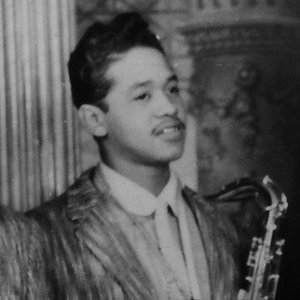 Raymond Parker
Raymond Parker: A Life in Color and Abstraction Born: Minneapolis, United States of America (1922) Died: 1990 Raymond Parker was a significant American painter associated with Abstract Expressionism, Color Field painting, and Lyrical Abstraction. His...
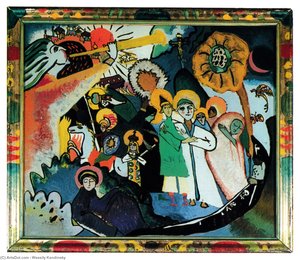
To trace the lineage of this movement is to walk alongside giants. We must begin with Wassily Kandinsky, the visionary who dared to believe that art could exist purely as an expression of spiritual truth. His journey from the structured world of law and economics to the boundless realm of abstraction is a testament to the transformative power of art. By utilizing color and form to translate inner emotional states, he provided the foundational vocabulary for everything that followed. His works are not merely paintings; they are windows into a landscape of the soul.
As the movement evolved through the post-war era, figures like Raymond Parker brought a new, American dimension to these lyrical sensibilities. Parker, deeply influenced by both the masters of the New York School and the vibrant light of Matisse, mastered the art of using large, sweeping brushstrokes to create a sense of dynamic energy. His dedication to exploring color as an emotional vessel helped bridge the gap between the intense, often turbulent Abstract Expressionism and a more harmonious, painterly abstraction. Together, these artists remind us that while styles may change, the fundamental human desire to communicate through the medium of color remains eternal.
The Tactile Spirit: How Texture and Color Evoke Inner Landscapes
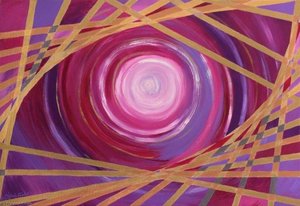 Purple and Gold Abstract
Explore 'Purple & Gold Abstract' by Michele Elizabeth Field (2005). This dynamic oil painting showcases swirling forms, impasto texture, and vibrant hues – a captivating piece of abstract expressionism.
Beyond the visual, Lyrical Abstraction engages our sense of touch. The physical presence of the paint—the impasto, the thick layers, the visible traces of the artist's hand—adds a layer of meaning that a flat print can never replicate. When we see the textured surface of an oil painting, we are witnessing the physical manifestation of an emotional event. Each ridge of paint and every delicate glaze holds a memory of the brush’s movement, inviting us to feel the weight and texture of the emotion being portrayed.
This tactile depth works in tandem with color to create immersive environments. A deep, velvety crimson can feel heavy and somber, while a translucent, watery yellow can evoke a sense of lightness and hope. In the hands of a master, color is not just a pigment; it is a substance with weight, temperature, and mood. It is this interplay between the physical texture of the medium and the psychological power of the palette that allows these abstract works to function as true inner landscapes, capable of transporting us to realms far beyond our immediate surroundings.
Bringing the Abstract Home: Curating Emotional Resonance in Modern Interiors
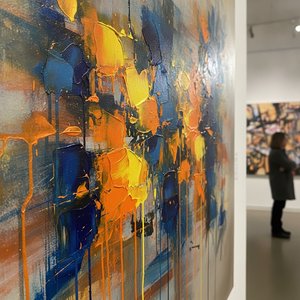 Beyond the Lines: Mastering the High-Impact World of Contemporary Abstraction
The Visual Reset: Why Abstraction is the Ultimate Power Move for Modern Interiors Beyond Representation: Exploring the Evolution & Enduring Impact of Abstract Art The Genesis of Abstraction: From Figurative Roots to Revolutionary Expression The story...
In our modern, often hyper-saturated world, there is a profound need for what many call a "visual reset." Our homes are our sanctuaries, and the art we choose to surround ourselves with should reflect the peace or the passion we wish to cultivate. Lyrical Abstraction offers a unique opportunity for interior curation. Unlike representational art, which can sometimes demand a specific context, abstract works act as emotional anchors that can harmonize with a variety of spaces.
When selecting an abstract piece for your collection, consider the emotional resonance you wish to achieve. A large-scale, multi-panel composition can transform a wide wall into a dynamic focal point, bringing movement and energy to a room. Conversely, a smaller, more delicate work might serve as a quiet, meditative corner in a study. By choosing pieces that speak to your personal history and aesthetic values, you do more than decorate a room; you curate an atmosphere of profound beauty and lasting meaning.
At ArtsDot.com, we are honored to assist collectors in this journey of discovery. Whether you are seeking a hand-painted reproduction of a historical masterpiece or wishing to transform a personal memory into a custom oil painting, our mission is to make the soul of art accessible to your home. We invite you to explore our collections and find the piece that speaks to your own inner landscape.