The Silent Language of Monochrome: Finding Emotion in Graphite
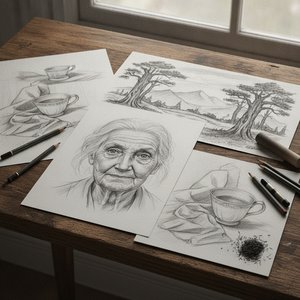
There is a profound, quiet intimacy found within the monochromatic realm, a space where the distractions of color fall away to reveal the raw, beating heart of a subject. For those of us who have spent decades wandering through the sun-drenched gardens of Monet or the vibrant, swirling skies of Van Gogh, the transition to graphite can feel like stepping into a soft, silver twilight. It is not merely the absence of color, but rather a deliberate choice to seek truth in the nuances of grey, where every stroke carries the weight of intention. In the delicate dance between the white of the paper and the dark deposit of carbon, an artist finds a silent language capable of expressing profound longing, stillness, and peace.
To approach graphite is to embrace a certain vulnerability. Without the emotive power of a crimson red or a deep ultramarine, the artist must rely entirely on value and tone to tell their story. This simplicity demands a heightened sensitivity to the subtle shifts in atmosphere. We find that emotion in the way a single, light stroke can suggest the fleeting touch of a breeze, or how a heavy, pressed line can anchor a composition with gravity. It is a meditative process, much like reflecting on a cherished memory; one must peel back the layers of perception to find the essence beneath, using only the most humble of tools to evoke the infinite complexities of the human spirit.
Chiaroscuro and the Dance of Light: Technical Mastery of Shadow
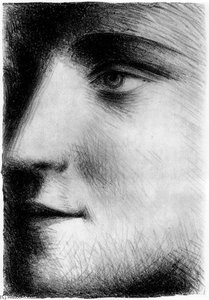
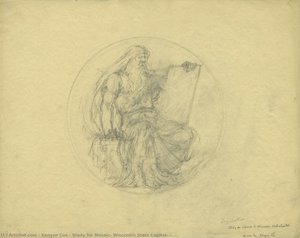
To master graphite is to become a student of light itself. The technique of chiaroscuro—that dramatic interplay of light and dark that defined the heights of the Renaissance and Baroque eras—finds its most pure expression in the pencil’s range. When we observe the works of the Old Masters, we see how they used shadow not merely to obscure, but to sculpt. In a graphite drawing, shadow is the architect of form; it is what breathes three-dimensionality into a flat surface, allowing a cheekbone to emerge from the darkness or a limb to recede into the mystery of an unlit corner.
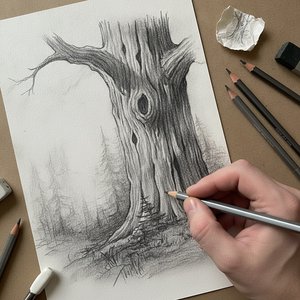
Achieving this mastery requires a disciplined understanding of how light interacts with surfaces. It begins with the softest gradations, where the graphite barely kisses the grain of the paper, creating those luminous highlights that feel almost ethereal. As we move deeper into the shadows, the artist must learn to layer carefully, building density without losing the structural integrity of the form. This is a delicate balance, much like the way light filters through the trees in a Renoir landscape—it requires an eye for where the light rests and where it departs. Through the careful application of pressure and the strategic use of erasers to "draw" with light, the artist creates a rhythmic movement of luminosity that guides the viewer's eye through the composition.
Textures of the Soul: From Delicate Hatching to Deep Velvety Blacks
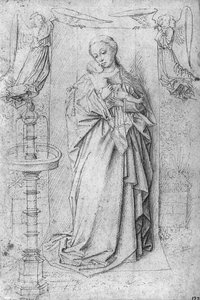
Beyond the structure of light lies the tactile world of texture, the sensory element that allows a drawing to transcend the page. Graphite offers an extraordinary vocabulary for the hands to communicate with the eyes. We see this in the meticulous hatching and cross-hatching techniques, where rhythmic, overlapping lines create a sense of movement and depth. These fine, repetitive strokes can mimic the delicate veins of a leaf or the soft, weathered skin of an antique sculpture, providing a structural complexity that is both intellectually stimulating and visually soothing.
Yet, there is an equal power in the deep, velvety blacks that only a soft, high-grade graphite can achieve. When these dark passages are layered with precision, they create a sense of infinite depth, a void that pulls the viewer into the heart of the work. This contrast between the crisp, sharp lines of a fine point and the rich, smudged softness of a blunt lead allows for an incredible range of tactile expression. One might find the rough, gritty texture of stone juxtaposed against the smooth, polished sheen of silk, all achieved through the subtle manipulation of carbon. It is in this textural richness that the artist captures the very "feel" of the world, inviting us to touch the art with our eyes.
The Lineage of Precision: Drawing Inspiration from the Old Masters
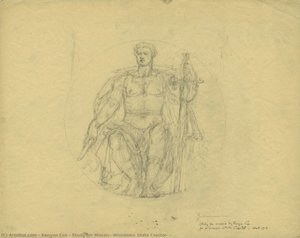
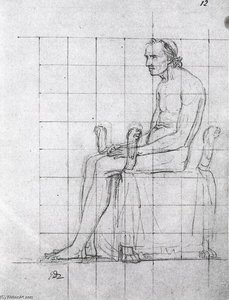
Every modern stroke is an echo of a historical precedent. When we study anatomical studies like those inspired by George Stubbs, or the precise, scientific observations found in classical sketches, we recognize a lineage of dedication to truth. The great masters understood that precision was not about cold accuracy, but about a deep respect for the subject's physical reality. This reverence for detail—the way a single line can define the powerful musculature of a horse or the delicate curve of a human finger—is what gives classical drawing its enduring authority.
For the contemporary enthusiast, looking back at these academic foundations provides a roadmap for development. The disciplined approach to anatomy, proportion, and perspective found in historical archives serves as a vital foundation. By studying how masters used line to define boundaries and weight, we learn to imbated our own work with a sense of permanence. There is a profound satisfaction in connecting our modern hands to the hands of the past, realizing that the fundamental principles of observation and execution remain unchanged across the centuries.
Beyond the Sketch: Graphite as a Gateway to Impressionistic Depth
While graphite is often associated with the precision of realism, it holds a surprising capacity for the atmospheric, soft-focus beauty we adore in Impressionism. It can be used to move beyond the literal sketch and into the realm of suggestion and mood. Just as Monet sought to capture the "envelope" of light surrounding a cathedral or a haystack, a graphite artist can use blurred edges, soft smudging, and low-contrast values to evoke the hazy, shimmering quality of a morning mist.
In this way, the medium becomes a bridge between two worlds: the structured precision of the classical tradition and the emotive, sensory freedom of the Impressionist movement. We can use the pencil to suggest the dappled light of a forest floor or the fleeting reflection on water, focusing not on the minute details, but on the overall impression of light and atmosphere. This approach allows for a more poetic interpretation of reality, where the artist’s hand is felt in every soft smudge and delicate highlight, creating a piece that does not just show us a subject, but makes us feel the very air around it.
At ArtsDot.com, we celebrate this eternal connection between technique and emotion. Whether you are drawn to the meticulous detail of a classical study or the light-drenched soul of an Impressionist masterpiece, our mission is to bring that passion into your home. We invite you to explore our curated collections of hand-painted reproductions, where every brushstroke is a tribute to the masters you love.