![Three Studies Of A Woman's Head And A Study Of Hands [recto], — Jean-antoine Watteau](/media/artworks/images-thumb/65/73/65730255a762c06e3235059db7ffcb5f.jpg)
The Alchemy of Carbon: Graphite’s Humble Origins and Artistic Evolution
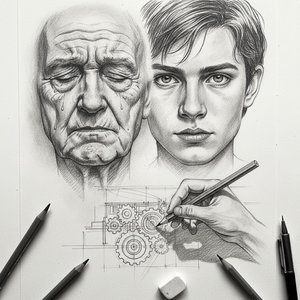 The Nuances of Graphite: Exploring Emotional Depth & Technical Mastery in Pencil Drawing
A History Rooted in Earth: The Origins & Evolution of Graphite Wikipedia: Colored pencil A colored pencil (American English), coloured pencil (Commonwealth English), colour pencil (Indian English), map pencil, pencil crayon, or coloured/colouring lea...
To hold a piece of graphite is to cradle a fragment of the earth’s ancient history, a concentrated essence of carbon that possesses the unique ability to bridge the gap between a mere mark and a profound statement. We often forget that the story of this medium is one of unassuming beginnings blossoming into sublime expression. Long before it graced the portfolios of masters, graphite was a humble, naturally occurring form of carbon unearthed from the soil. In the 16th century, its earliest documented use was far removed from the gilded halls of museums; instead, it served the practical, earthy purpose of marking sheep on the farms of Borrowdale, England. This pure, readily available source quickly revealed a magic that even the most utilitarian users could not ignore.
As these sticks of “black lead” were encased in wooden holders, they began to transition from a tool of the shepherd to a tool of the visionary. The evolution of the medium reached a pivotal turning point in 1795 with Nicolas-Jacques Conté’s revolutionary invention. By mixing powdered graphite with clay and firing the mixture, he allowed for a spectrum of hardness and darkness that had never before been possible. This breakthrough democratized the medium, offering artists a versatile range from the ethereal lightness of a 9H pencil to the profound, velvety darkness of a 9B. It offered a liberating alternative to the demanding precision of silverpoint, allowing the artist to breathe life into paper with a newfound fluidity and control.
The Eloquent Line: Capturing Light, Shadow, and Texture through Nuance
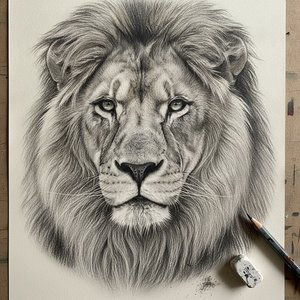 Mastering Graphite Pencil: The Ultimate Expert Guide to Achieving Depth, Texture, and Hyper-Realistic Detail
The Foundation of Precision: Selecting Your Graphite Grades and Essential Tools Every great masterpiece begins not with a stroke, but with a deliberate choice. For the aspiring artist, understanding the alchemy of graphite is the first step toward tr...
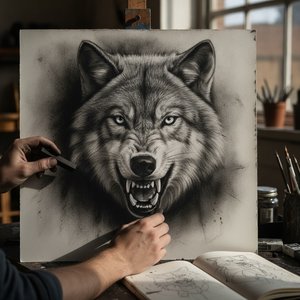
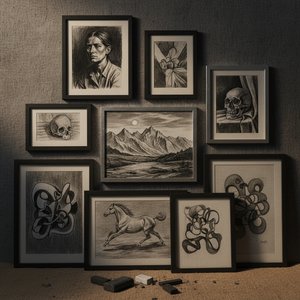
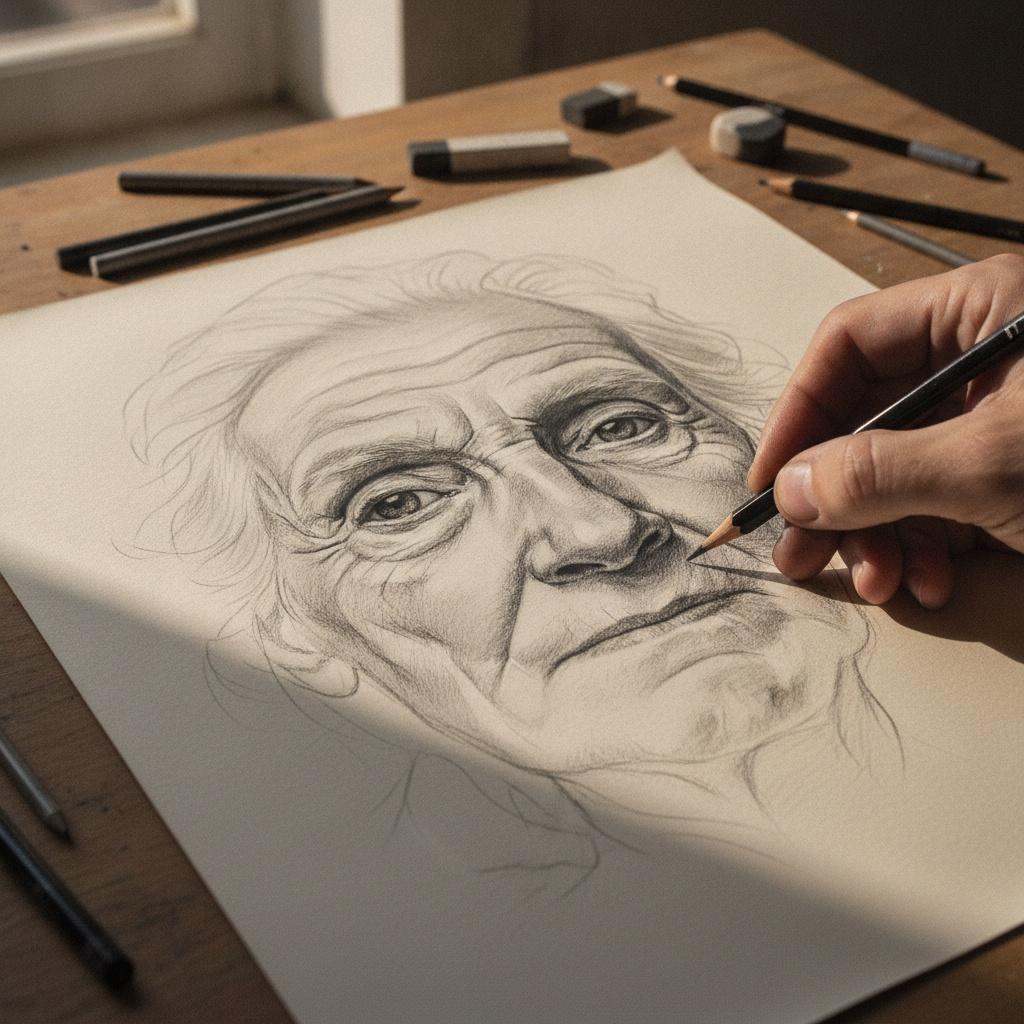
There is a delicate dance inherent in working with graphite, an exercise in alchemy where the pressure of a hand against paper transforms raw mineral into a window of perception. Unlike the heavy, dramatic presence of charcoal or the permanent authority of ink, graphite offers a subtle, silvery spectrum. It invites the artist to explore the nuances of light and shadow, creating a translucent glaze or a dense, opaque shadow that anchors a composition with weight and gravity. The true mastery of this medium lies not in the strength of the stroke, but in the intelligence of the gradation.
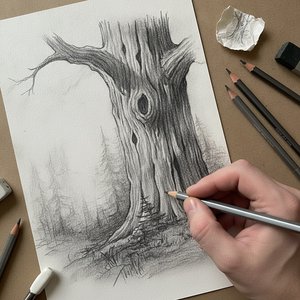
Through the masterful application of value scales and the careful orchestration of edges, an artist can achieve a three-dimensional illusion on a two-dimensional plane. One might observe how the hardest grades whisper across the grain of the paper, creating the softest highlights on a silk drapery, while the softer leads build layers of texture that suggest the ruggedness of stone or the weathered bark of an ancient tree. It is a medium of infinite patience, rewarding the disciplined hand with a level of precision and atmospheric depth that few other materials can replicate, turning simple lines into a complex language of light.
A Window into the Soul: The Emotional Resonance of Monochrome Landscapes
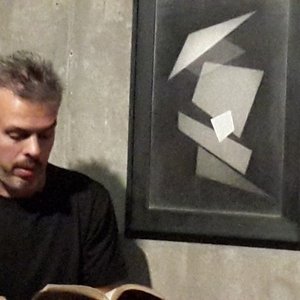 Mariano Vilela
Mariano Vilela: Echoes of the Past in Graphite Landscapes Born in Buenos Aires, Argentina, in 1970, Mariano Vilela’s artistic journey is one deeply rooted in a reverence for tradition while simultaneously embracing a subtle, almost melancholic explor...
While we often find ourselves captivated by the vibrant, sun-drenched palettes of the Impressionists, there is a profound, quiet dignity found in the monochrome world. In the absence of color, the viewer is forced to engage more deeply with the essence of the subject. Consider the works of artists like Mariano Vilela, whose graphite landscapes serve as echoes of the past, imbued with a sense of loss and contemplation. His meticulously rendered vistas are not merely idyllic scenes but are instead meditations on time and memory, where the subtle shifts in tone evoke a quiet melancholy.
This emotional resonance is equally present in the spiritual explorations of Nicholas Roerich. In his sketches, such as the evocative Sketch of Yurts, we see a profound connection to the earth. The use of horizontal lines and muted tones creates a sense of stability and groundedness, allowing the viewer to feel the quietude of rural life. Even in more fragmented compositions, like his Several Sketches, the monochromatic palette acts as a conduit for exploring faith and the human condition. Without the distraction of color, the soul of the landscape—its space, its form, and its spiritual weight—is laid bare before us.
Mastering the Breath of Paper: Additive and Subtractive Techniques in Drawing
 Subtractive drawing
Subtractive drawing is a technique in which the drawing surface is covered with graphite or charcoal marks and then erased to make the image. This technique is often used to add texture, establish tonal shapes, or create the appearance of reflected l...
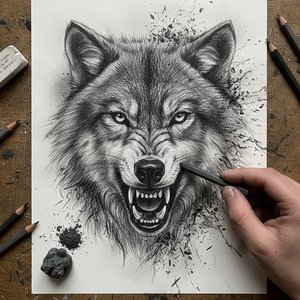
The art of drawing is often perceived as a purely additive process, a layering of marks upon a void. Yet, some of the most breathtaking textures are achieved through the interplay of addition and subtraction. In subtractive drawing, the artist begins by covering the surface with graphite or charcoal, only to use tools like kneaded erasers to "draw" with light. This technique is essential for establishing tonal shapes and creating the appearance of reflected light, allowing the artist to sculpt highlights out of darkness.
This rhythmic movement between marking and erasing creates a dynamic energy on the page. When combined with additive techniques such as hatching and cross-hatching, the artist can build incredible structural depth. This duality allows for a sculptural quality in the work, where objects seem to emerge from the paper itself. It is a process of discovery, much like the way light interacts with the physical world, requiring the artist to be both a builder of shadows and a carver of light.
From Sketch to Masterpiece: Preserving the Intimacy of the Artist's Hand
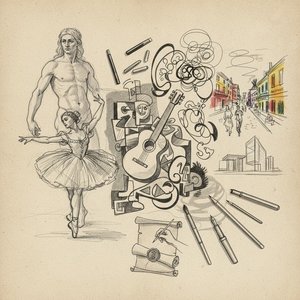 The Eloquent Line: Exploring the Artistic Significance of Sketches Across Movements and Media
Introduction: The Humble Sketch – A Foundation of Artistic Vision The sketch, often perceived as a preliminary step—a fleeting thought captured on paper before the ‘real’ work begins—holds a far more significant place in the history of art than is co...
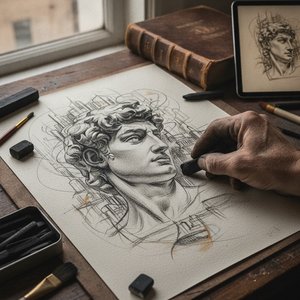
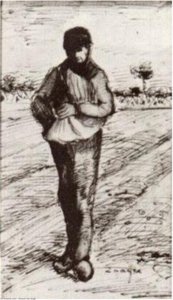
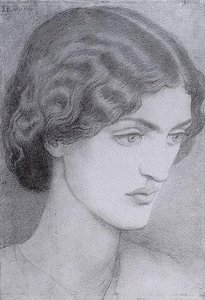
We must often look past the perception of the sketch as a mere preliminary step—a fleeting thought captured before the "real" work begins. In truth, the sketch is a vital form of artistic exploration, a direct conduit to the artist's mind. It represents the genesis of vision, where the raw energy and focused exploration of the creative process are most palpable. Whether it is the meticulous costume sketches of Joshua Charles Taylor or the architectonic explorations of Robbie Cornelissen, these works offer an intimate window into the artist's evolving thought.
To preserve this intimacy in a modern world is a sacred task. In an era often dominated by digital trends, institutions like The Royal Drawing School stand as beacons for preserving the skill of observational drawing. There is a profound beauty in seeing the artist's hand—the visible stroke, the intentional smudge, the hesitant line—that reminds us of our shared humanity. When we cherish these works, we are not just looking at paper and carbon; we are participating in a continuous dialogue with the history of human perception, celebrating the enduring power of the eloquent line.
At ArtsDot.com, we celebrate the profound textures and emotional depths found in all great art. While our specialty lies in the luminous world of Impressionism, we hold a deep reverence for the mastery of line and light found in the finest drawings. Whether you are seeking to bring a hand-painted oil reproduction into your home or looking for expert consultation to find the perfect piece, we invite you to explore our curated collection of timeless beauty.