The Foundations of Order: Defining the Principles of Academic Classicism
 Mastering Perfection: A Definitive Guide to the Elegance and Precision of Academic Classicism
The Foundations of Order: Defining the Principles of Academic Classicism To understand the profound allure of Academic Classicism, one must first look beyond the surface of the canvas and into the rigorous intellectual framework that governs it. This...
To step into the world of Academic Classicism is to leave behind the frantic, unscripted energy of the modern age and enter a sanctuary of profound logic and historical reverence. This movement was never merely an aesthetic preference or a passing trend; it was a disciplined, intellectual pursuit of truth through the lens of order and clarity. At its very core, Academic Classicism emerged as a necessary reaction against the perceived chaos of more emotive, spontaneous styles, seeking instead to anchor the human spirit in the timeless principles of antiquity. It is an art form rooted in the conviction that true beauty is not found in the accidental or the raw, but in the carefully structured and the mathematically harmonious.
The movement draws its strength from a deep respect for the Great Tradition, emphasizing a hierarchy where history painting stands at the pinnacle of artistic achievement. This discipline requires more than just talent; it demands a mastery of composition, ensuring that every brushstroke and every element within the frame serves a greater narrative or moral purpose. There is a profound sense of stability in these works, providing a quiet power that transcends the ephemeral nature of daily life. By adhering to established canons of proportion, the Academic artist seeks to capture the eternal essence of human experience, using the structured language of line and form to communicate universal truths that resonate across centuries.
The Pursuit of Ideal Beauty: Technique, Proportion, and Anatomical Precision
In the realm of Academic Classicism, beauty is a deliberate construction rather than a spontaneous occurrence. The artist does not simply observe nature; they seek to perfect it. This process, often described as the pursuit of ideal beauty, involves a rigorous refinement of reality to reach a state of perfection that nature alone cannot achieve. Through the meticulous application of anatomical precision and the study of classical proportions, masters were able to elevate their subjects beyond the mundane. Every muscle, every contour, and every shadow was rendered with an intention to reflect the divine harmony found in the works of ancient Greece and Rome.
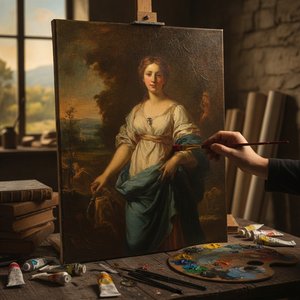
This pursuit required an unparalleled command of technique. The supremacy of line over color became a defining characteristic, where sharp, precise contours established a striking contrast between light and shadow. Unlike the soft, blurred edges that would later define Impressionism, the Academic style utilized hatching and cross-hatching to build tonal values, creating a subtle shading that enhanced the illusion of depth and texture. This technical rigor ensured that the subject—whether a marble-like bust or a heroic figure—possessed a sense of permanence and weight, inviting the viewer into a space where every detail is a testament to the artist's dedication to excellence.
A Reaction to Excess: The Transition from Rococo to Neoclassical Clarity
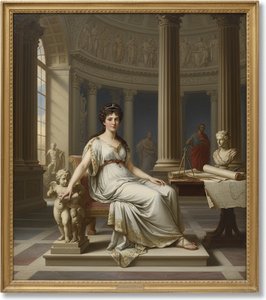 Neoclassical Portraiture: The Timeless Elegance of Order, Grace, and Academic Mastery
The Neoclassical Ethos: Reclaiming the Grandeur of Antiquity To understand the profound impact of Neoclassical portraiture, one must first look back to the dust and glory of the ancient world. Emerging as a powerful reaction against the perceived fri...
To truly appreciate the gravity of Academic Classicism, one must look back at the era it sought to transform. Before the rise of this disciplined movement, the European artistic landscape was dominated by the Rococo period—a style characterized by its delightful frivolity, ornate excess, and a certain lightness of spirit that often bordered on the superficial. While the Rococo offered charm and decorative beauty, it lacked the moral weight and intellectual depth that the burgeoning Enlightenment era demanded. As the cultural tide began to turn, artists felt a profound need to reclaim the grandeur of antiquity and restore a sense of dignity to the canvas.
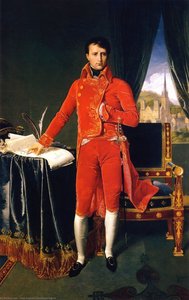
This transition was a philosophical reclamation. Neoclassical portraiture and painting emerged as a powerful response to the perceived superficiality of 18th-century decorative arts. Artists sought to strip away the ornamental flourishes and replace them with a structured approach to composition that emphasized clarity and permanence. By looking toward the stoic ideals of the ancient world, they aimed to capture the essence of their subjects through a lens of timelessness, elevating the individual portrait from a simple likeness to a monumental statement of character and civic duty. It was an era defined by a profound reverence for the principles of Greek and Roman antiquity—a movement that viewed the classical past not merely as a collection of ruins, but as a living blueprint for virtue and reason.
Mastering the Human Form: From Academic Studies to Monumental Portraits
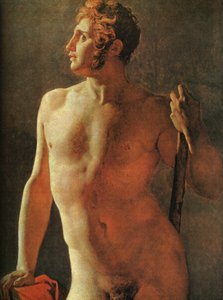
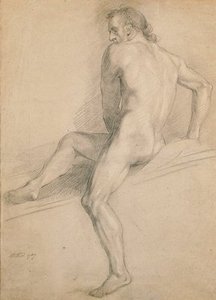 Male Nude. Academic Study
Admire Benjamin West’s ‘Male Nude. Academic Study,’ a captivating 18th-century drawing of the male form. Explore Neoclassical art & commission a hand-painted replica today!
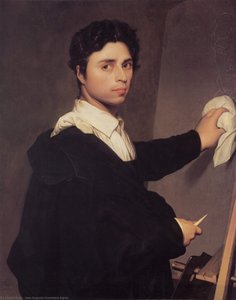
The human form serves as the ultimate canvas for the Academic master, acting as both a study in anatomical truth and a vessel for idealized grace. This fascination is perhaps most evident in the academic studies of the era, where artists like Benjamin West or Jean-Auguste-Dominique Ingres explored the nuances of the male nude and the torso with scientific precision. These studies were not merely exercises in skill; they were intellectual endeavors, capturing the very essence of physical form through a lens of scholarly intensity. To gaze upon such works is to witness a moment suspended between deep thought and tangible creation, where the subject seems caught in an act of profound contemplation.
This mastery extends seamlessly into the realm of monumental portraiture and sculpture. The influence of classical busts, such as the meticulously rendered profiles seen in the works of Vincenzo Camucciti, reflects an enduring fascination with idealized beauty rooted in Greco-Roman tradition. Whether it is the serene landscapes of a Romantic Classicist like Fritz Zuber-Buhler or the religious realism of Paolo Borroni, the focus remains on capturing the dignity of the subject. Through the disciplined application of classical motifs, these artists transformed portraiture into an art form that could instruct the soul and elevate the mind, ensuring that the human figure remained a symbol of enduring strength and grace.
The Enduring Legacy: Bringing Classical Order into Modern Interiors
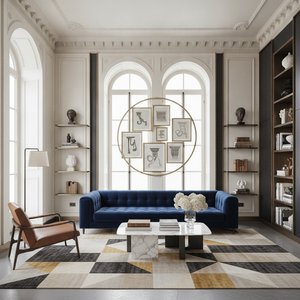 Beyond the Basics: The Power of Academic Classicism Reimagined for Modern Interiors
The Renaissance of Order: Defining Academic Classicism in a Modern Context In an era often defined by the fleeting nature of digital trends and the frenetic energy of contemporary abstraction, there exists a profound, quiet power in the return to ord...
In our contemporary era, often defined by the fleeting nature of digital trends and the frenetic energy of abstraction, there exists a profound, quiet power in the return to order. Academic Classicism is experiencing a breathtaking resurgence within the modern consciousness. This is not merely a nostalgic glance backward at the gilded halls of the 19th century; rather, it is a sophisticated reclamation of structure, balance, and intentionality. For the modern collector, integrating these classical principles into an interior space offers a sense of sanctuary—a way to anchor a home in the timeless principles of harmony and stability.
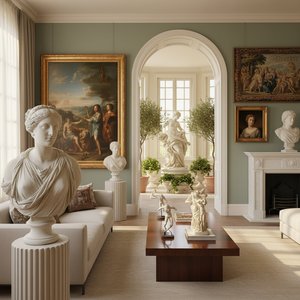
Bringing this elegance into a modern context can be achieved through various thoughtful approaches, from large-format murals that recreate historical grandeur to the strategic placement of fine art reproductions. The beauty of this movement lies in its versatility; it can provide a focal point of intellectual gravity in a minimalist room or add a layer of historical depth to a contemporary gallery wall. By embracing the principles of symmetry, simple geometry, and refined restraint, we allow the legacy of the great academies to continue breathing life into our modern spaces, ensuring that the pursuit of perfection remains an ever-present inspiration in our daily lives.
Discover the Art of Timelessness at ArtsDot.com
At ArtsDot.com, we are dedicated to making the profound beauty of the Old Masters and Academic masters accessible to everyone. Whether you seek a hand-painted oil reproduction that captures the tactile depth of historical brushstrokes or a custom commission that transforms a personal memory into a Neoclassical masterpiece, our artists—each a specialist in their genre—are here to bring your vision to life. Explore our vast library of fine art and find the perfect piece to bring order, grace, and eternal elegance to your home.