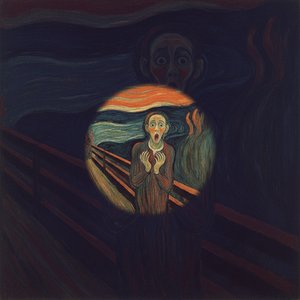
The Soul's Rebellion: Defining the Essence of German Expressionism
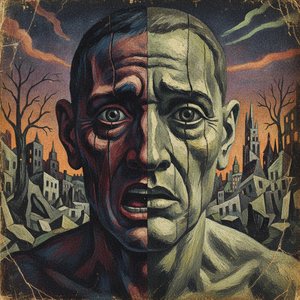 Unmasking Emotion: A Definitive Guide to the Raw Power and Visceral Beauty of German Expressionism
The Soul of the Subject: Defining the Essence of German Expressionism To step into the world of German Expressionism is to abandon the comfort of the visible world and enter a realm where the internal psyche dictates reality. Unlike the Impressionist...
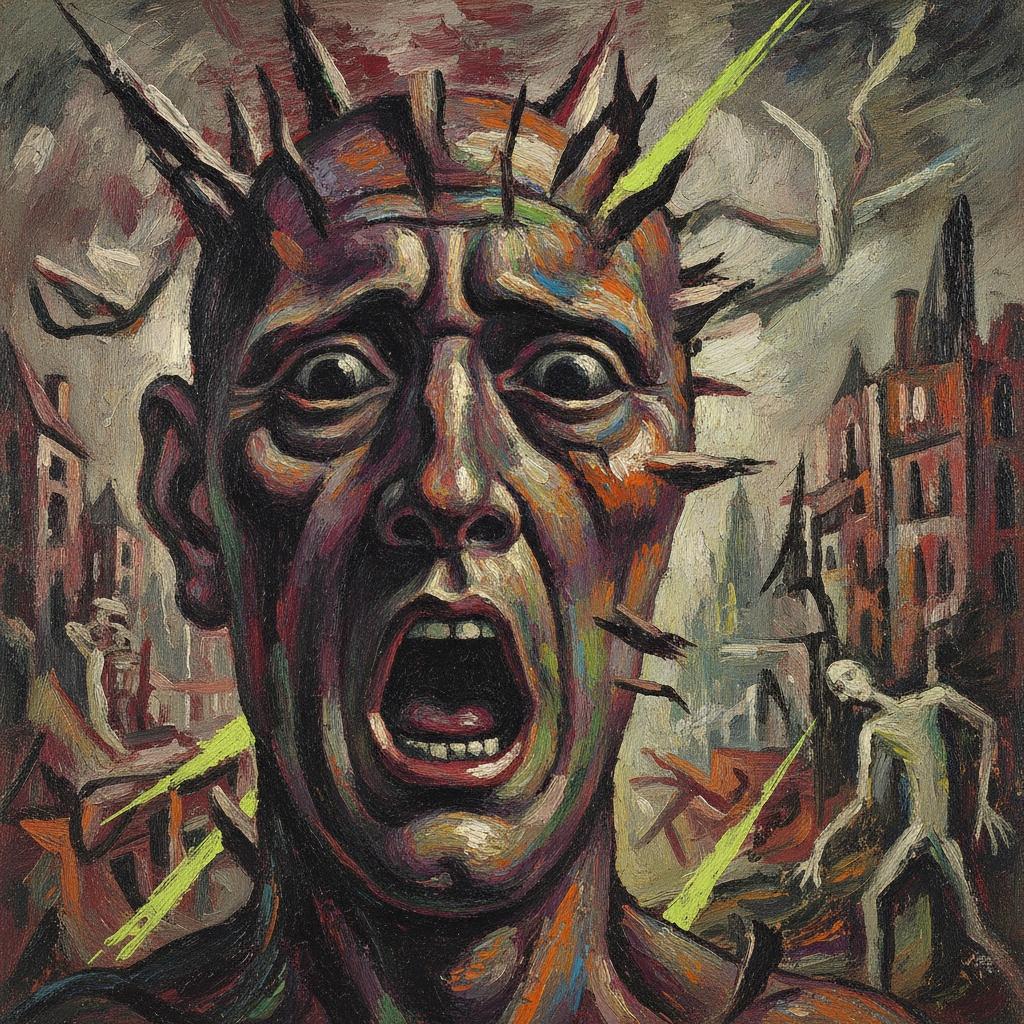
To step into the world of German Expressionism is to abandon the comfortable, predictable boundaries of the visible world and enter a realm where the internal psyche dictates reality. Unlike the Impressionists, who sought to capture the fleeting, luminous dance of light upon a surface, the Expressionists were driven by an urgent, almost desperate need to unmask the human condition. This was not merely a stylistic choice or a new way to hold a brush; it was a profound psychological rebellion against the stifling academic constraints of the late 19th century and the encroaching shadows of rapid industrialization.
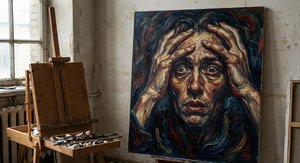
At its very heart, Expressionism is characterized by a subjective perspective that radically distorts reality for emotional effect. The artists did not aim to replicate the physical world with photographic accuracy; instead, they sought to evoke moods, ideas, and the raw, unadulterated truths of human experience. It is an art of feeling rather than seeing—a movement where the canvas becomes a mirror for the soul’s most turbulent moments, capturing everything from spiritual longing to existential dread.
A World on the Brink: The Historical Crucible of Societal Turmoil
 The Raw Emotion of Expressionism: A Deep Dive into its History, Characteristics & Enduring Influence
The Genesis of Feeling: Expressionism’s Roots in Societal Turmoil Wikipedia: Expressionism Expressionism is a modernist movement, initially in poetry and painting, originating in Northern Europe around the beginning of the 20th century. Its typical t...
The dawn of the 20th century was not an era of simple optimism. Beneath the glittering veneer of technological progress and urban expansion lay a simmering unease, a profound sense of alienation that would irrevocably alter the course of artistic expression. This period served as a crucible of change, where the traditional values of a vanishing era were being crushed by the weight of modern life. The looming shadow of war and the fragmentation of society created a landscape of uncertainty that found its most honest voice in the Expressionist movement.
This visceral response to a world on the edge was shaped by deep-seated societal anxieties. As cities swelled and industrial machines hummed, a generation began to grapple with the loss of individual identity within the mass. The art born from this era reflects a nation—and indeed a world—struggling with disillusionment and trauma. It is a period where the psychological pressures of modern life were so intense that only through the distortion of form and the jarring use of color could the true depth of human suffering and exhilaration be articulated.
Die Brücke and Der Blaue Reiter: Two Paths to Emotional Truth
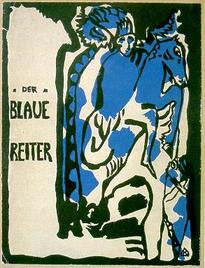 Der Blaue Reiter
Der Blaue Reiter (English: The Blue Rider) was a group of artists and a designation by Wassily Kandinsky and Franz Marc for their exhibition and publication activities, in which both artists acted as sole editors in the almanac of the same name (firs...
While German Expressionism was not a single, unified style, it flourished through distinct groups of artists who shared a common desire to depart from tradition. The first,
Die Brücke (The Bridge), emerged in Dresden in 1905. Led by visionaries such as Ernst Ludwig Kirchner, Karl Schmidt-Rottluff, and Erich Heckel, this group sought to create a bridge between the past and a revolutionary future. Their work often possessed a raw, jagged energy, utilizing bold, almost violent brushstrokes and non-naturalistic palettes to mirror the psychological unrest of their time.
In contrast,
Der Blaue Reiter (The Blue Rider), centered in Munich around 1911, offered a different approach to the movement's goals. Founded by Wassily Kandinsky and Franz Marc, this group leaned toward a more spiritual and lyrical exploration of abstraction. While
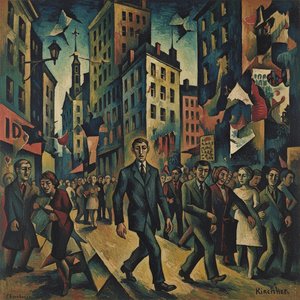
Die Brücke often focused on the tension of urban life and human isolation,
Der Blaue Reiter sought to access highly charged emotional or spiritual states through color and form. Together, these two groups formed a chorus of voices, each wrestling with the fragility of the human condition through their unique visual languages.
The Language of Distortion: Color, Line, and the Subjective Lens
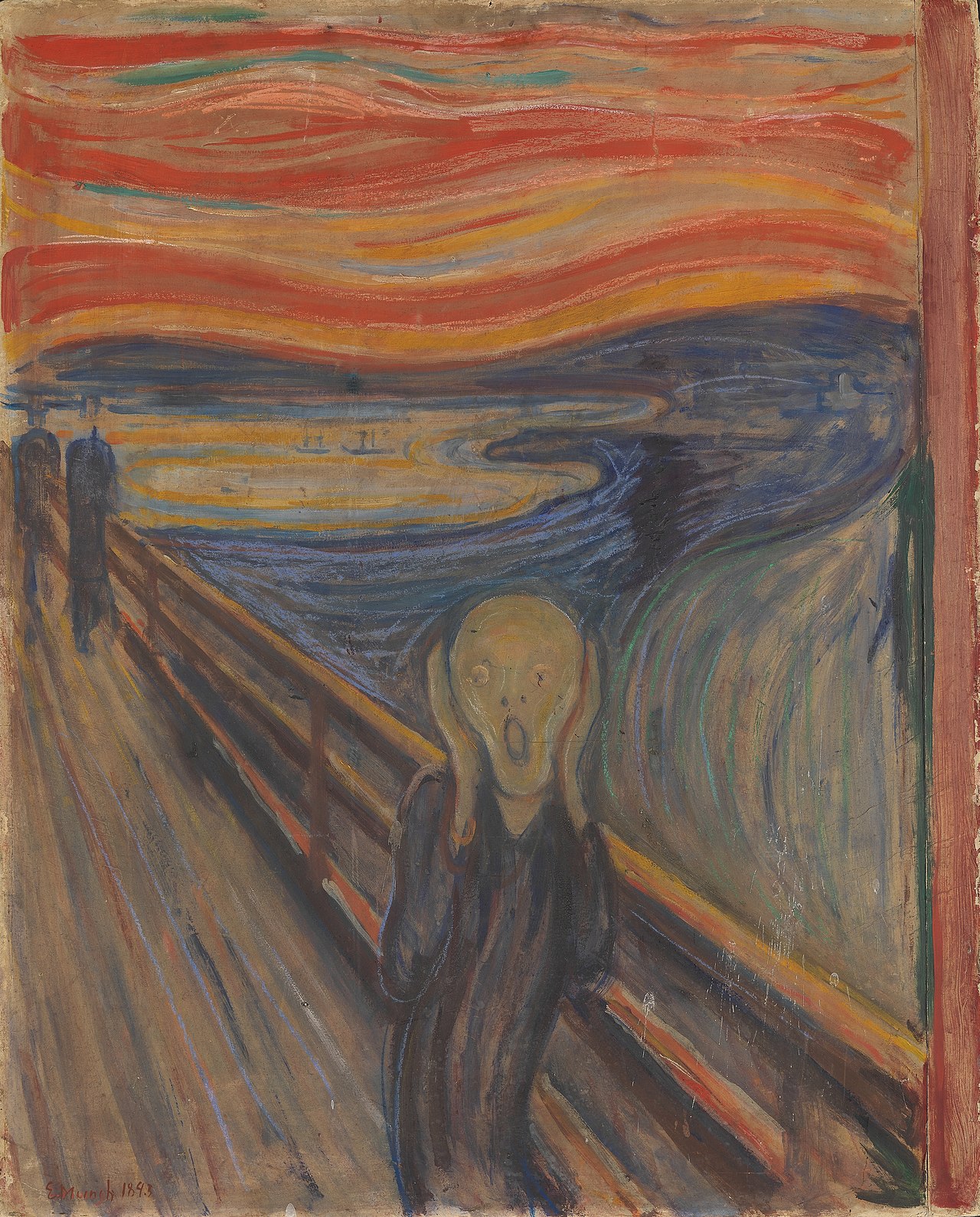 Expressionism
Expressionism is a modernist movement, initially in poetry and painting, originating in Northern Europe around the beginning of the 20th century. Its typical trait is to present the world solely from a subjective perspective, distorting it radically ...
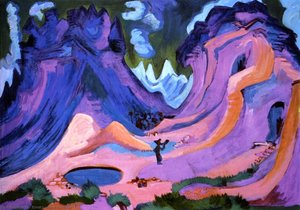
The technical vocabulary of the Expressionist is one of intensity and impact. To understand their work, one must look past the subject matter and into the very chemistry of the paint itself. The movement embraced a condensed, abstracted visual language where color was liberated from its descriptive duties. In the hands of an artist like Kirchner, a mountain might be rendered in deep, haunting purples—not because the stone was purple, but because that hue conveyed a sense of mystery, melancholy, or awe.
Lines in Expressionist works are rarely calm; they are often jagged, thick, and unsettling, creating a sense of dynamism and unrest. The deliberate lack of blending and the presence of heavy, emotive brushstrokes serve to emphasize the artist's hand and their immediate emotional reaction to the subject. This use of distortion—of stretching forms and clashing colors—is the primary tool used to bypass the intellect and speak directly to the viewer's emotions, forcing a confrontation with uncomfortable truths that a more realistic style might easily obscure.
Echoes of the Inner Landscape: Analyzing Masterpieces of Angst and Awe
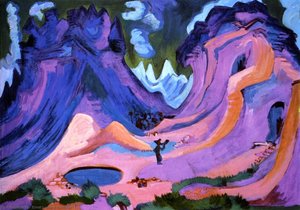 Die Amselfuh
Die Amselfuh: An Expressionist Journey Through Purple Mountains Ernst Ludwig Kirchner’s “Die Amselfuh” (The Alpine Chamois), painted in 1923, is more than just a landscape; it's a visceral embodiment of the anxieties and exhilarations that defined Ge...
When we gaze upon seminal works such as Kirchner’s
Die Amselfüh, we see more than just a landscape; we encounter a visceral embodiment of anxiety and exhilaration. The dramatic purple hues dominating the mountains are a deliberate choice to reflect emotional intensity rather than literal nature. Similarly, in works like
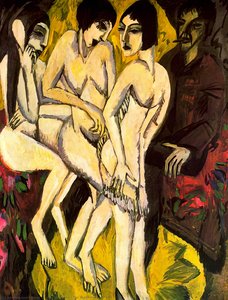
Die Russin, the bold colors and distorted forms showcase an ability to convey intense, even unsettling, emotions through a meticulously crafted composition.
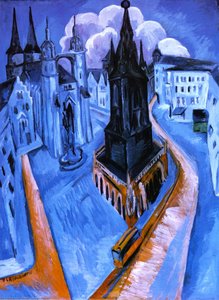
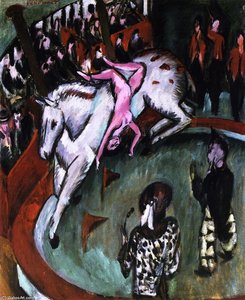
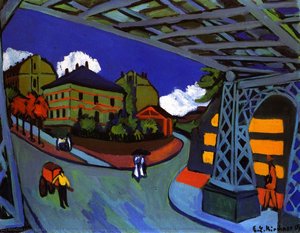
Even the most famous precursors, such as Edvard Munch, set the stage for this preoccupation with angst. His haunting imagery foreshadowed the movement's focus on existential dread. Whether it is the psychological portraiture of a circus rider or the lively yet tension-filled streets of a Berlin riverbank, these masterpieces act as windows into the inner landscape. They remind us that art can be a powerful tool for exploring solitude, longing, and the search for meaning amidst the chaos of a changing world.
The Enduring Legacy: How Expressionism Resonates in the Modern Heart
 German Expressionism's 10 Defining Masterpieces | Art for Your Home
Introduction To gaze upon the canvases born from the heart of German Expressionism is to encounter a raw, visceral echo of a world on the brink. These weren’t paintings merely depicting reality; they were reality – or rather, the tumultuous inner lan...
The power of German Expressionism lies in its timelessness. Though the specific societal upheavals of the early 20th century have passed, the underlying anxieties—the feelings of disconnection, the overwhelm of modernity, and the haunting existential questions—remain deeply embedded in the human experience. These paintings continue to resonate because they offer a mirror to our own vulnerabilities and our shared struggle for connection in an often fragmented world.
By embracing the raw and the unmasked, Expressionism taught us that beauty does not always reside in harmony or perfection, but in the courage to express truth. It remains a testament to the enduring strength of the human spirit to find meaning through creativity, even when faced with darkness. For the modern collector and enthusiast, these works serve as a profound reminder that art is not merely an object of decoration, but a vital, breathing conduit for empathy and understanding.