The Genesis of Gesture: Defining the Abstract Expressionist Movement
To understand the profound impact of Abstract Expressionism, one must look beyond the surface of the canvas and into the turbulent heart of the mid-twentieth century. Emerging from the shadows of a world reshaped by global conflict, this movement represented more than a mere stylistic shift; it was a visceral response to an era of unprecedented uncertainty. Unlike the representational traditions that preceded it, Abstract Expressionism sought to bypass the intellect and speak directly to the subconscious. It was a revolution of the spirit, where the artist’s internal landscape—their anxieties, triumphs, and existential reflections—became the primary subject matter.
The movement, centered largely in the vibrant, post-war atmosphere of New York City, discarded the constraints of recognizable figures and landscapes. Instead, it embraced a language of pure form, color, and motion. This was an era where the act of creation itself became as significant as the finished work. The canvas was no longer a window into another world, but an arena in which to act. By stripping away the familiar, these artists invited the viewer into a deeply personal dialogue, one that transcends linguistic barriers and historical boundaries, offering a raw, unmediated encounter with human emotion.
The Architecture of Chaos: Analyzing Action Painting and Color Field Techniques
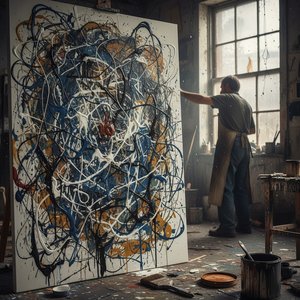
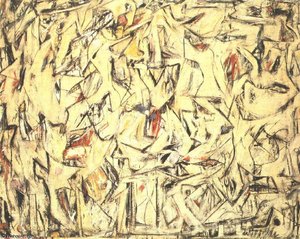
Within this movement, two distinct yet complementary approaches emerged, each utilizing different structural philosophies to evoke profound responses. The first, often referred to as Action Painting, is characterized by its intense physicality and rhythmic energy. In works such as Jackson Pollock’s seminal Number 3, the artist’s movements are recorded in a complex web of drips, splatters, and enamel textures. This technique creates a sense of dynamic energy that feels almost alive, capturing a moment of pure, uninhibited motion. The viewer does not merely observe the painting; they trace the trajectory of the artist's hand, experiencing the kinetic force that birthed the composition.
In contrast to the frenetic energy of action painting lies the meditative stillness of Color Field Painting. Here, the focus shifts from gesture to the immersive power of expansive color. Artists utilized large-scale canvases to envelop the viewer in monochromatic or subtly graded planes of pigment. This approach relies on the subtle interplay of light and hue to create a sense of depth and atmosphere. While action painting captures the storm, color field painting captures the vastness of the sky or the depths of the ocean. Both techniques, though vastly different in execution, share a singular goal: to utilize the formal elements of art to trigger an emotional resonance that is both overwhelming and transformative.
Masters of the Unconscious: The Psychological Depth of Pollock, de Kooning, and Kline
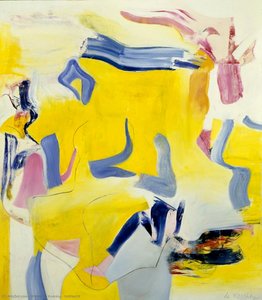
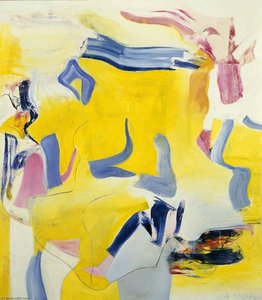
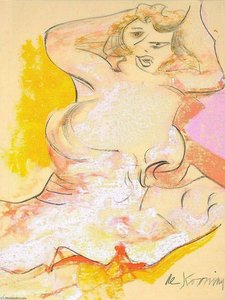
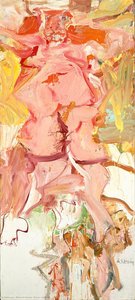
The true power of Abstract Expressionism resides in the psychological depth brought to life by its most iconic practitioners. Jackson Pollock remains perhaps the most recognizable figure, a master of the drip technique who transformed the canvas into a record of subconscious impulse. His works are not mere accidents of paint but carefully orchestrated explorations of rhythm and chaos. Similarly, Willem de Kooning utilized layered colors and aggressive, gestural brushstrokes to create works like Untitled I, which vibrate with an almost violent emotional charge. De Kooning’s ability to balance abstraction with a lingering sense of figuration creates a tension that is both unsettling and captivating.
The movement also found its strength in the stark, structural brilliance of artists like Franz Kline. In masterpieces such as Zinc Yellow, Kline utilized bold black strokes against vibrant color blocks to create a sense of monumental weight and architectural balance. His work demonstrates that abstraction can possess a profound graphic strength, using the interplay of light and dark to suggest form without ever explicitly defining it. Furthermore, figures like Michael Goldberg contributed to the "second generation" of the New York School, bringing their own unique interpretations of gestural abstraction and vibrant color. Together, these masters utilized the canvas as a psychological mirror, reflecting the complexities of the human condition through the medium of pure abstraction.
The Tactile Sublime: Evaluating Texture, Scale, and Materiality in Modern Abstraction
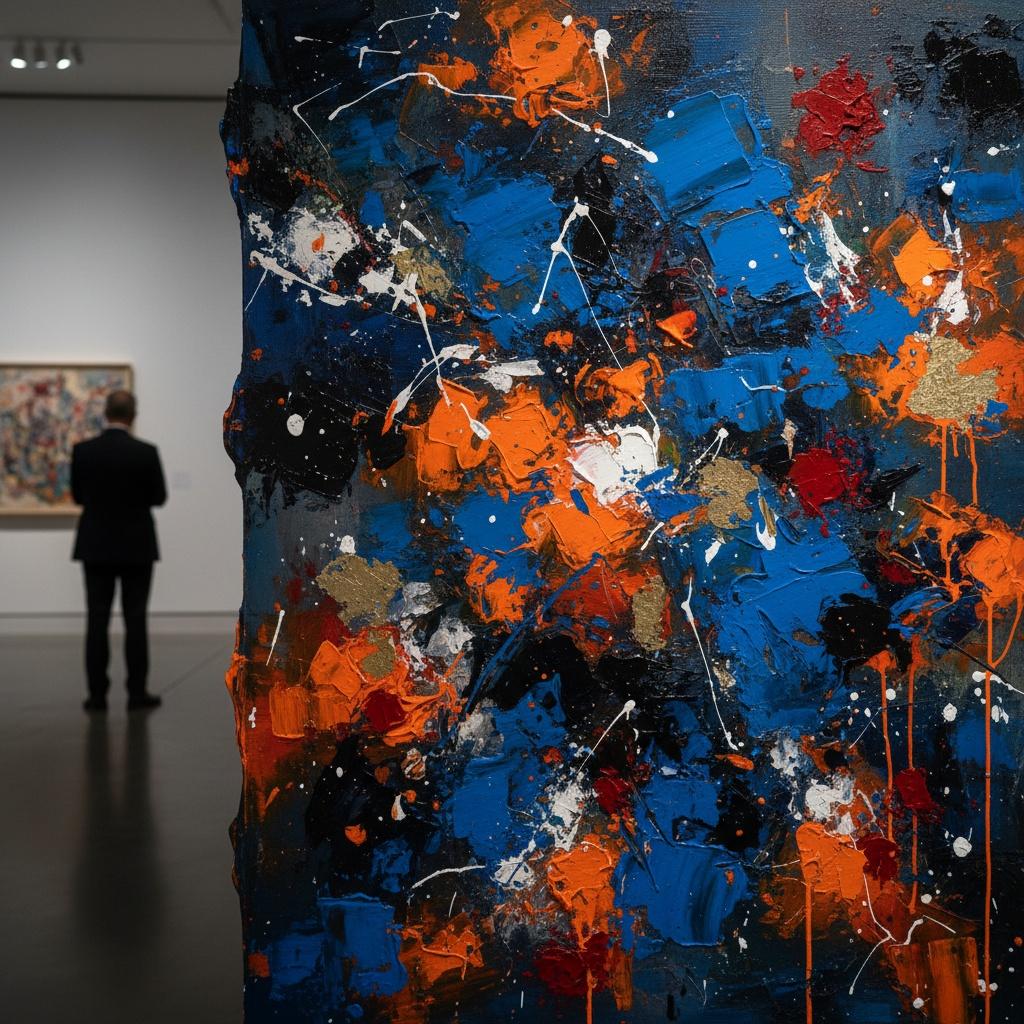
For the discerning collector, the allure of Abstract Expressionism often lies in its incredible materiality. These are not works meant for passive observation; they demand a tactile engagement. The sublime in this context is found in the physical presence of the paint itself—the thick, impasto applications that create a three-dimensional topography on the canvas. When observing a high-quality reproduction, one can appreciate how the visible, heavy brushstrokes and the buildup of multiple layers of oil paint catch the light, creating shadows and highlights that change as the viewer moves.
Scale plays an equally critical role in this sensory experience. The monumental proportions characteristic of many Abstract Expressionist works are designed to overwhelm the periphery of the viewer's vision, effectively removing them from their immediate surroundings and placing them within the world of the painting. This sense of immersion is heightened by the use of premium materials—heavy-duty cotton canvases and pigments with high lightfastness that ensure the vibrancy of the colors remains undiminished over decades. The interplay between the physical weight of the medium and the expansive scale of the composition creates a sensory experience that is both grounding and transcendent.
Curating Emotion: Integrating Abstract Masterpieces into Sophisticated Interiors
Integrating works of such profound emotional intensity into a modern interior requires a sophisticated approach to curation. An Abstract Expressionist piece serves as a powerful focal point, capable of anchoring an entire room with its energy or providing a moment of quiet contemplation through its color fields. For the collector, the challenge lies in balancing this intensity with the surrounding architectural elements and decor. When placed within a well-designed space, these paintings do not merely decorate a wall; they define the atmosphere of the home.
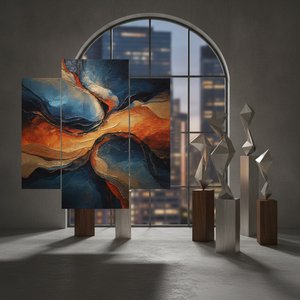
Modern design trends, such as the use of multi-panel or "split" layouts, offer contemporary ways to display these large-scale emotions across wide walls or staircases, ensuring a seamless flow of color and gesture. Whether through the bold, rhythmic strokes of an action painting or the serene expanses of a color field, these works invite a dialogue between the art and the inhabitant. By selecting pieces that resonate with one's personal aesthetic—perhaps through a specific color palette or a particular level of textural depth—one can curate a living environment that is not only visually stunning but emotionally resonant.
At ArtsDot.com, we specialize in preserving this legacy of human creativity. From meticulously handcrafted oil reproductions that capture every tactile brushstroke to museum-quality Giclée prints designed for longevity, our mission is to make the profound beauty of art history accessible to collectors worldwide. Whether you seek to commission a custom masterpiece inspired by the masters or require expert consultation to find the perfect piece for your collection, ArtsDot provides the bridge between historical genius and modern luxury.