The Genesis of Dreams: Unveiling the Origins of Surrealism
To understand the profound impact of Surrealism, one must first look toward the fractured landscape of the early twentieth century. Emerging from the ashes of World War I and the disillusionment of the Dada movement, Surrealism was far more than a mere aesthetic choice; it was a revolutionary attempt to liberate the human experience from the constraints of logic and societal norms. Influenced heavily by the burgeoning field of psychoanalysis, particularly the theories of Sigmund Freud, artists sought to bridge the gap between the waking world and the hidden depths of the subconscious. This movement aimed to resolve the previously contradictory conditions of dream and reality into an absolute reality, a surreality.
The movement’s inception was rooted in a desire to tap into the primal, uninhibited flows of thought that exist beneath our civilized veneer. By rejecting the rationalism that many believed had led to global catastrophe, Surrealist pioneers looked inward, finding inspiration in the bizarre, the irrational, and the uncanny. This era marked a pivotal shift in art history, where the canvas ceased to be a window onto the physical world and instead became a mirror for the psyche, capturing the fleeting, often unsettling imagery of our deepest desires and fears.
The Language of the Subconscious: Key Techniques and Symbolism
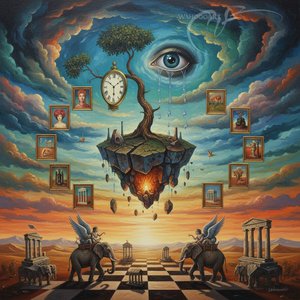
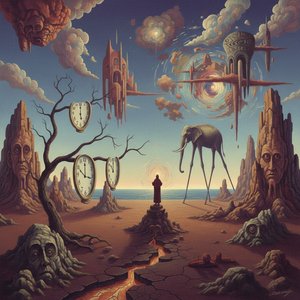
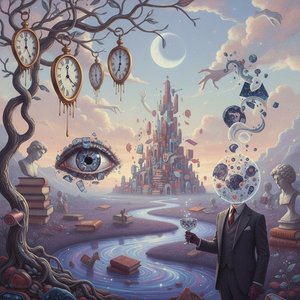
The power of Surrealist art lies in its unique visual vocabulary, a language composed of symbols that defy conventional meaning. To the trained eye, a melting clock or a distorted landscape is not merely a technical eccentricity but a profound signifier of temporal decay or psychological instability. Artists utilized various techniques to bypass the conscious mind and invite the spontaneous eruption of imagery. One such method was automatism, a process where the artist allows the hand to move across the canvas without premeditated design, much like the stream-of-consciousness writing found in literature.
Beyond automatism, the use of unexpected juxtapositions played a critical role in creating the "uncanny" effect. By placing unrelated objects in startling proximity—a sewing machine and an umbrella on a dissecting table, for instance—artists forced the viewer to confront new, often jarring, associations. This technique disrupts the viewer's sense of certainty, much like the logic-defying transitions found within a dream. Through these methods, Surrealism transformed the act of painting into an archaeological excavation of the mind, unearthing textures and forms that exist only in the shadows of our perception.
Masters of the Uncanny: Exploring Dalí, Ernst, and Beyond
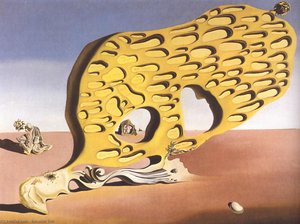
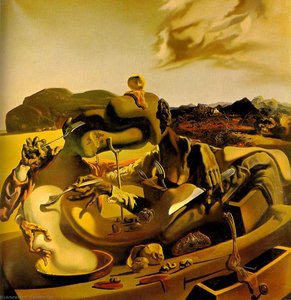
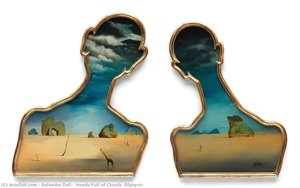
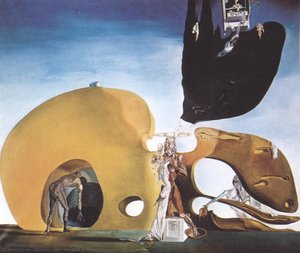
No exploration of this movement would be complete without acknowledging the titans who defined its visual identity. Salvador Dalí remains perhaps the most iconic figure, a master of what he termed the "paranoiac-critical method." His works, such as Accommodations of Desire, blend meticulous, almost academic precision with hallucinatory subject matter. In his paintings, the hyper-realistic rendering of textures—the smoothness of skin or the hardness of stone—serves to make the impossible seem tangibly real, creating a tension that is both captivating and deeply unsettling.
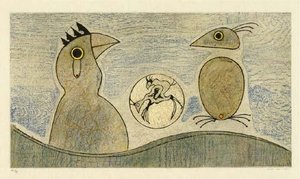
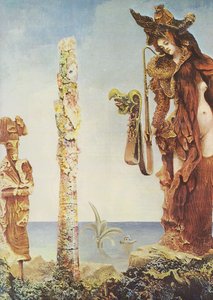
In contrast to Dalí’s flamboyant precision, Max Ernst explored more textured, experimental realms. His ability to manipulate materials through techniques like frottage (rubbing) allowed him to discover organic, forest-like patterns that felt as though they were growing directly from the subconscious. Other artists, such as the contemporary Jung Hyejung, continue this legacy by blending surrealist elements with realism to explore modern themes of identity and memory. Even in more recent works like those of Rodrigo de Osona, we see a lingering influence of symbolic depth, proving that the seeds planted by the original Surrealists continue to bloom in the contemporary art landscape.
Surrealism in the Modern Eye: From Classical Roots to Contemporary Interpretations
As time has progressed, the boundaries of Surrealism have expanded far beyond its mid-century origins. While the movement was born from a specific historical trauma, its core philosophy—the exploration of the irrational—remains eternally relevant. In the modern era, we see the echoes of Surrealism in digital art, film, and even fashion, where the manipulation of reality serves to critique contemporary culture or explore the complexities of the human condition in an increasingly fragmented world.
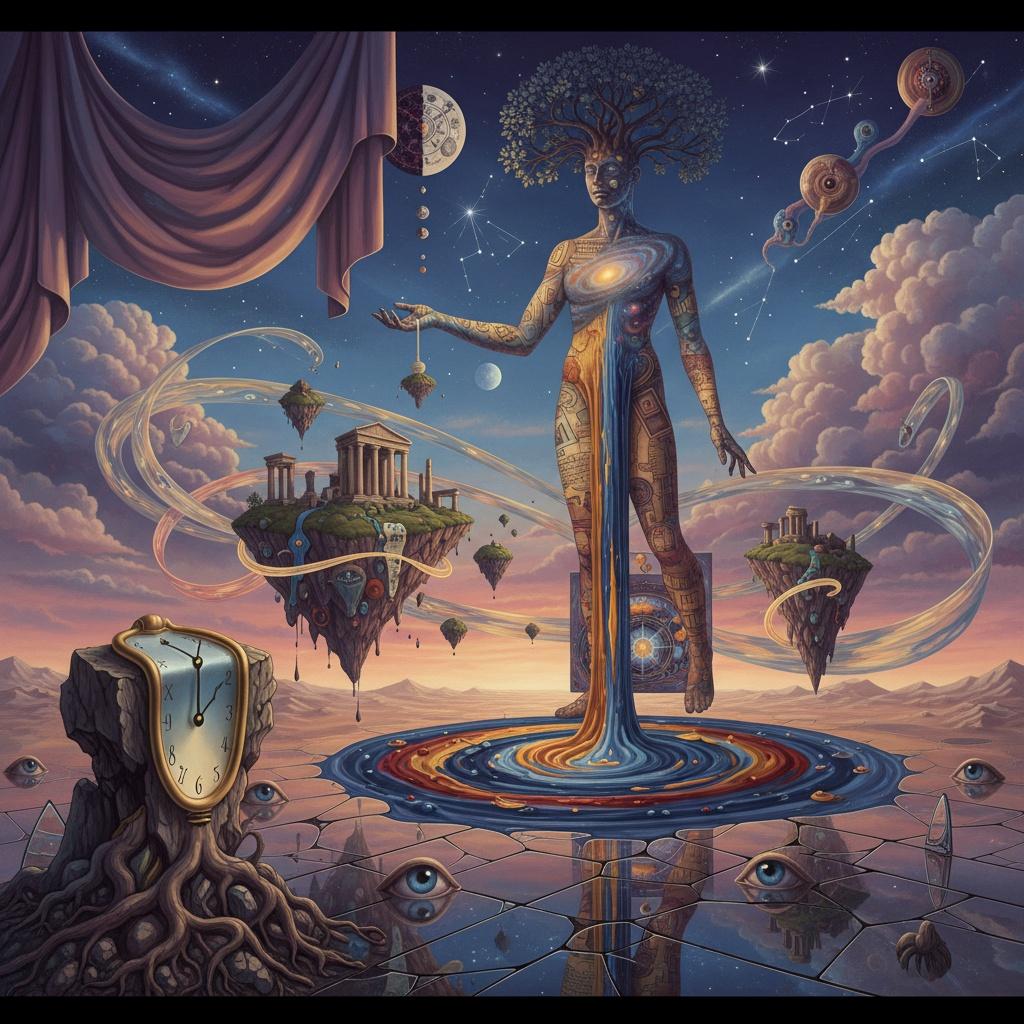
Contemporary artists often utilize the tools of technology to achieve what the early masters could only dream of. The intersection of artificial intelligence and classical technique allows for a new kind of "digital surrealism," where algorithms can generate hyper-complex, dreamlike compositions that challenge our very definition of creativity. Yet, despite these technological shifts, the fundamental pursuit remains unchanged: the desire to capture the ephemeral beauty of the unseen and to find meaning in the seemingly meaningless fragments of our internal lives.
Decoding the Dreamscape: How to Appreciate Surrealist Compositions
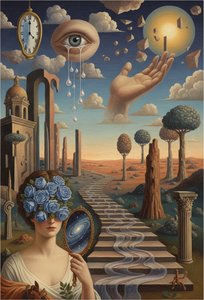
Approaching a Surrealist masterpiece requires a departure from traditional modes of critique. One cannot simply ask, "What is this a picture of?" Instead, the viewer must ask, "What does this evoke?" To appreciate these works, one must embrace ambiguity and allow oneself to be guided by emotion rather than logic. It is helpful to look for recurring motifs—eyes, shadows, distorted limbs, or vast, empty horizons—and consider how they might represent aspects of the human psyche, such as vulnerability, surveillance, or loneliness.
Observing the technical execution can also provide clues to the artist's intent. The way light falls across a distorted object or the deliberate use of heavy, tactile brushstrokes can heighten the sense of drama and unease. By engaging with the texture, color, and composition through an empathetic lens, the viewer begins to decode the hidden narratives within the dreamscape. Ultimately, the true reward of studying Surrealism is the realization that the most profound truths are often found not in what we see clearly, but in the shadows and distortions of our own imagination.
At ArtsDot.com, we celebrate the enduring power of these extraordinary visions. Whether you are seeking a meticulously hand-painted oil reproduction of a Dalí masterpiece or wish to transform your own memories into a surrealist work of art through our custom commissions, our mission is to bring the depth and texture of art history into your personal space. From museum-quality Giclée prints to bespoke portraits that reimagine reality, we provide the bridge between the legendary past and your modern collection.