The Sacred Canvas: Understanding the Spiritual Intent of Religious Art
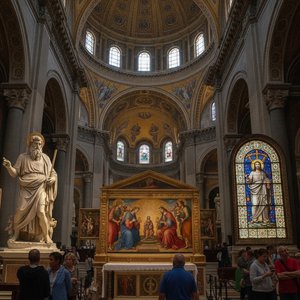
To gaze upon a masterpiece of sacred art is to step beyond the veil of the mundane and enter a realm where the temporal meets the eternal. For centuries, the canvas has served not merely as a surface for pigment, but as a window into the divine. These works were rarely conceived as mere decorations; they were profound theological instruments designed to evoke awe, facilitate prayer, and narrate the unutterable mysteries of faith. The spiritual intent behind such creations is rooted in the concept of transcendence—the artist’s attempt to capture a glimpse of the infinite within the finite boundaries of wood, stone, or cloth.
In the hands of a master, every brushstroke becomes a form of liturgy. The intention was often to create an atmosphere of reverence that could transport a viewer from their daily struggles into a state of contemplative grace. This profound connection between the artist’s hand and the divine spirit transformed the act of painting into a devotional practice. When we study these works today, we are not just analyzing technique; we are engaging with a historical dialogue of devotion that seeks to bridge the gap between human frailty and celestial glory.
Iconography and Symbolism: Decoding Divine Narratives in Masterpieces
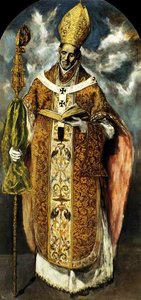
The language of religious art is written in symbols, a complex visual vocabulary known as iconography. To the untrained eye, a painting may appear as a simple portrait or landscape, but to the observant enthusiast, it is a dense tapestry of meaning. Every element—from the specific hue of a robe to the placement of a single lily—carries a weight of theological significance. For instance, the presence of certain flowers often signifies purity or martyrdom, while the use of gold leaf serves to represent the uncreated light of heaven, suggesting a space that exists outside of earthly time.
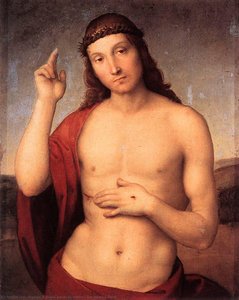
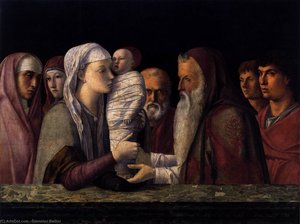
Decoding these narratives requires an appreciation for the subtle nuances of composition. A master might use the positioning of hands to convey blessing, sorrow, or betrayal, much like the poignant gestures found in the back panels of early Renaissance works. By understanding these symbols, the viewer can move past a superficial appreciation of beauty and begin to read the painting as a sacred text. This layer of hidden meaning ensures that the artwork remains an active participant in the spiritual life of the observer, offering new revelations with every subsequent viewing.
From Duccio to Cranach: A Journey Through Eras of Devotion
The evolution of religious art is a breathtaking journey through the changing tides of human consciousness. In the early stages of the Renaissance, artists like Duccio di Buoninsegna utilized vibrant colors and profound symbolism to ground spiritual narratives in a sense of palpable reality. His works, such as the central panels of the Maestà, demonstrate a transition from the stylized Byzantine tradition toward a more humanistic approach, where even the most divine figures possess a weight and presence that resonate with the viewer’s own humanity.
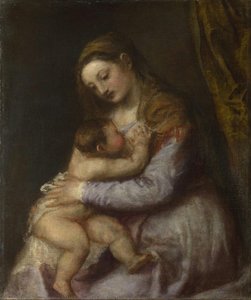
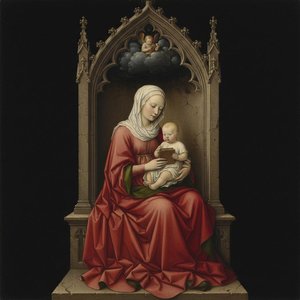
As the centuries progressed, the focus shifted toward different expressions of the sacred. The High Renaissance brought an era of mathematical harmony and anatomical perfection, exemplified by the works of Piero della Francesca. His Montefeltro period showcases a mastery of light and perspective that suggests a divine order underlying the natural world. Later, during the Northern Renaissance, artists like Lucas Cranach the Elder introduced a different kind of intimacy. In his depictions of the Virgin and Child, we see a profound serenity and a detailed realism that emphasizes the tenderness of the divine incarnation. Each era contributed its own unique lens through which to view the sacred, creating a rich, multi-layered history of artistic devotion.
The Sensory Experience: Light, Color, and Texture in Sacred Imagery
The power of religious art is deeply rooted in its sensory impact. It is not merely an intellectual exercise but a visceral experience driven by the manipulation of light and color. The use of chiaroscuro—the dramatic interplay between deep shadows and brilliant highlights—serves to sculpt figures out of the darkness, mirroring the spiritual struggle between good and evil. Light in these paintings is rarely just a physical phenomenon; it is often depicted as a manifestation of grace, illuminating the faces of saints and casting a celestial glow upon holy scenes.
Furthermore, the texture of the medium plays a vital role in this sensory engagement. The tactile quality of thick, impasto brushstrokes can convey the raw emotion of a martyr’s passion, while smooth, glazed surfaces can evoke the ethereal stillness of a heavenly vision. When we encounter reproductions that honor these original textures, we are able to feel the "living" quality of the paint. This physical depth invites the viewer to touch the art with their eyes, creating a multi-sensubial connection that reinforces the spiritual weight of the subject matter.
Preserving the Eternal: The Enduring Legacy of Religious Art in Modern Collections
In our contemporary, fast-paced world, the enduring legacy of these divine masterpieces offers a much-needed sanctuary for reflection. Collecting and preserving religious art is an act of cultural stewardship, ensuring that the profound wisdom and aesthetic brilliance of the past remain accessible to future generations. Whether through museum exhibitions or carefully curated private collections, these works continue to inspire awe and provoke deep philosophical inquiry.
The preservation of this legacy requires a commitment to quality and authenticity. As we look toward the future, the intersection of traditional craftsmanship and modern technology allows us to bring these timeless treasures into our own homes. By appreciating the meticulous processes used to recreate these works—from the careful layering of oils to the use of museum-grade pigments—we honor the original masters. In doing so, we ensure that the spiritual power and narrative depth of these iconic artworks continue to illuminate our lives, serving as a permanent bridge between the history of human faith and the beauty of the modern spirit.
ArtsDot.com remains dedicated to this mission of preservation and accessibility. As a global leader in high-quality art reproductions, we specialize in bringing the soul of the Old Masters into the contemporary space. From hand-painted oil masterpieces that capture every tactile brushstroke to museum-grade Giclée prints designed for longevity, our mission is to ensure that the profound beauty of religious and classical art remains a living part of your world.