The Anatomy of Elegance: Understanding the Symbolism of the Equine Form
To gaze upon a masterfully rendered horse is to witness more than mere biological accuracy; it is to encounter a profound symbol of power, grace, and the indomitable human spirit. Throughout the annals of art history, the equine form has served as a canvas for expressing nobility and triumph. When we observe the meticulous anatomical precision found in works such as Jacques Laurent Agasse’s Head of a Bay Horse, we are not merely looking at muscle and sinew, but at the very essence of dignity. The horse has long been an emblem of the aristocracy, representing a connection between the wildness of nature and the refined control of civilization.
This symbolic weight extends into the intimate details of the subject. A slight tilt of the head or the flared nostril of a stallion can convey a narrative of readiness or quiet repose. In the tradition of portraiture, particularly within the British equestrian legacy seen in the works of artists like Florence Mabel Hollams, the horse often acts as an extension of the rider’s own status and character. To capture the anatomy of elegance is to understand that every curve of the neck and every tension in the flank contributes to a larger dialogue about strength, endurance, and the timeless bond between man and beast.
Mastering the Gallop: Techniques of Realism and Impressionistic Motion
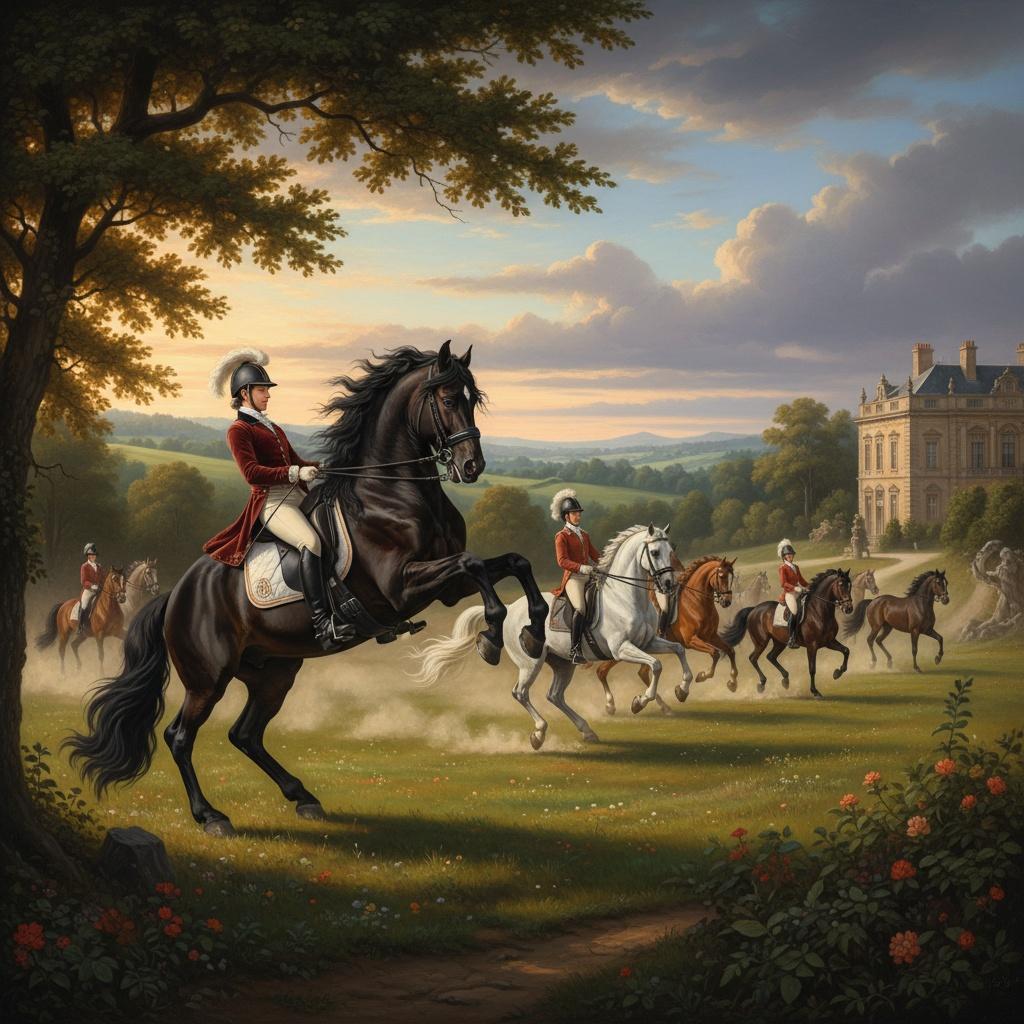
The true challenge for any equestrian painter lies in the paradox of capturing stillness within motion. How does one freeze the thunderous energy of a gallop without stripping the subject of its vitality? The answer lies in the sophisticated application of varied painterly techniques. In the realm of academic realism, artists like Jean-Louis Ernest Meissonier utilized expressive realism to ground their subjects in a tangible reality. By focusing on the interplay of light upon a sweating coat or the dust kicked up by hooves, these masters achieved a sense of presence that feels almost breath-taking in its immediacy.
Conversely, the Impressionistic approach offers a different way to perceive movement. Rather than defining every strand of mane, artists may employ more fluid, spontaneous brushwork to suggest the blur of speed and the flickering of light. This technique allows the viewer's eye to complete the motion, creating a psychological experience of movement rather than a static observation. Whether through the rigorous precision of a classical study or the atmospheric suggestion of an Impressionist sketch, the goal remains the same: to translate the kinetic energy of the horse into a permanent, visual rhythm that resonates across the centuries.
From Noble Portraits to Pastoral Studies: A Survey of Equestrian Genres
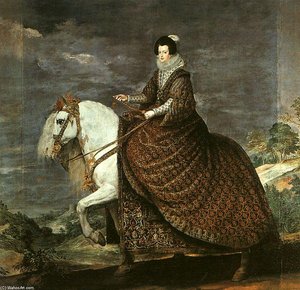
Equestrian art is far from a monolithic genre; it breathes through a diverse array of styles and settings. The formal portrait stands as perhaps the most prestigious tradition, where the horse and rider are presented in a staged, often heroic composition designed to immortalize a specific lineage or achievement. These works often demand a high degree of detail, capturing the intricate textures of leather tack, embroidered silks, and the polished sheen of the animal’s coat.
In contrast, the pastoral study offers a more intimate, unscripted glimpse into equine life. Here, the horse is not a symbol of conquest but a participant in the landscape. We see them grazing in soft morning light or resting under the shade of ancient oaks, much like the evocative studies seen in the works of Sir Alfred James Munnings. These compositions focus on the harmony between the animal and its environment, emphasizing atmosphere and mood over individual prestige. From the grand scale of a hunting scene to the quiet solitude of a single horse in a meadow, the genre encompasses the full spectrum of the equine experience, offering something for every contemplative soul.
Capturing Light and Sinew: The Role of Impasto and Texture in Equine Art
The tactile dimension of oil painting is essential to conveying the physical presence of a horse. To truly capture the "soul" of an equestrian piece, one must look toward the use of texture. The technique of impasto—the thick, sculptural application of paint—allows an artist to build a three-dimensionally palpable surface. When applied to the musculature of a powerful charger or the flowing mane of a mare, impasto creates highlights and shadows that shift as the viewer moves around the canvas, mimicking the way light dances across a living creature.
This interplay of texture and light provides a sensory depth that flat prints simply cannot replicate. The ridges of dried paint can represent the ruggedness of a weathered hide or the soft, velvety texture of a foal’s coat. By utilizing premium pigments and heavy-duty cotton canvases, the most exceptional reproductions maintain this "living" quality. It is through these deliberate, physical marks left by the artist's brush that the artwork acquires its breath, ensuring that the strength of the sinew and the brilliance of the light remain as vibrant today as they were when the original stroke was first laid down.
Curating the Stable: Integrating Equestrian Masterpieces into Sophisticated Interiors
Incorporating equestrian art into a modern or classical interior requires a discerning eye for composition and scale. These pieces are not merely decorations; they are focal points that command attention and dictate the emotional temperature of a room. A large-format oil painting of a galloping horse can serve as a dramatic anchor for a grand hallway or a formal dining room, injecting a sense of movement and adventure into the architectural space.
For those seeking a more subtle integration, smaller studies or multi-panel group sets can create a sophisticated gallery effect along a staircase or within a study. When selecting art, consider how the color palette of the painting interacts with your existing decor. A warm, earth-toned bay horse might complement a library filled with leather-bound books, while a cooler, light-drenched landscape could brighten a contemporary living space. Ultimately, the goal is to create a curated environment where the majesty of the equine subject enhances the narrative of your home, turning a living space into a sanctuary of historical beauty and timeless elegance.
At ArtsDot.com, we specialize in preserving this legacy of fine art. From meticulously handcrafted oil reproductions that honor the impasto techniques of the masters to museum-quality Giclée prints for the modern collector, our mission is to make the grandeur of equestrian history accessible to all. Whether you are seeking a custom commission from a personal photograph or looking to transform your interior with a classical masterpiece, our dedicated artists and experts are here to guide your journey into the world of fine art.