The Alchemy of Oil: Pioneering Techniques of the Early Netherlandish Masters
To step into the world of fifteenth-century Flemish art is to witness a profound revolution in the very chemistry of light. Before the masters of the North, the visual language of Europe was often defined by the matte, opaque qualities of tempera. However, a transformative shift occurred with the refinement of oil painting techniques, a period often referred to as the Franco-Flemish 15th Century. This era was not merely about a change in medium, but an alchemical mastery over transparency and depth. By layering thin, translucent glazes of pigment suspended in drying oils, artists achieved a luminosity that seemed to emanates from within the canvas itself.
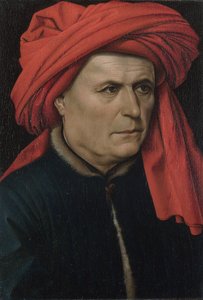
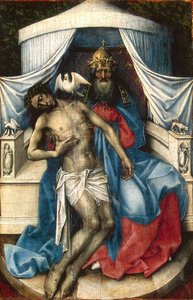
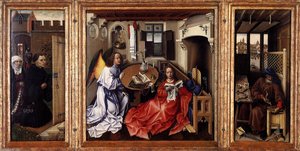
The pioneers of this movement, such as Robert Campin, known as the Master of Flémalle, began to manipulate these layers to create a sense of atmospheric presence previously thought impossible. This technique allowed for a slow, deliberate build-up of color, where each subsequent layer of oil would catch the light and refract it through the pigment, creating a jewel-like brilliance. It was this technical innovation that laid the foundation for the Northern Renaissance, moving art away from the symbolic flatness of the Middle Ages toward a breathtakingly tactile reality.
Microscopic Realism: The Art of Capturing Texture and Light
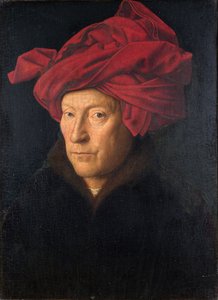
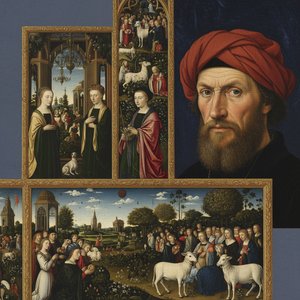
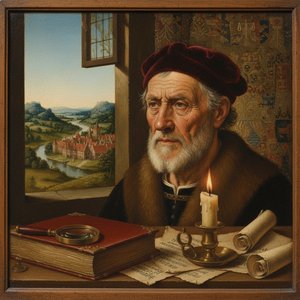
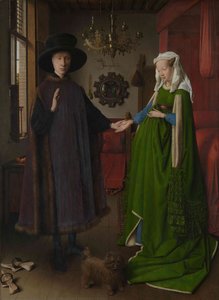
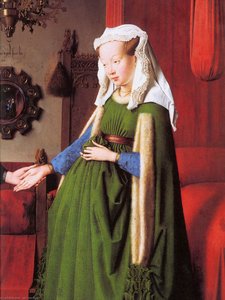
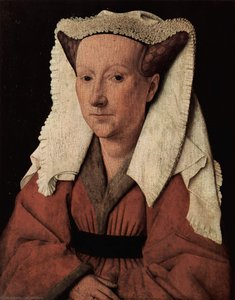
The true hallmark of Flemish mastery lies in an almost obsessive devotion to detail—a microscopic realism that invites the viewer to linger indefinitely. When one examines works such as Jan van Eyck’s Man in a Turban, the eye is immediately drawn to the staggering precision of the textures. One can almost feel the heavy weight of the fabric, the subtle sheen of a gemstone, and the soft, organic pores of human skin. This was not merely a display of skill, but a way to honor the physical world through meticulous observation.
This mastery extends beyond the human form to the inanimate objects that populate these compositions. The artists possessed an uncanny ability to differentiate between the cold, hard surface of polished metal and the soft, absorbent quality of velvet or fur. In Jan Gossart’s Venus, the interplay of light on various surfaces demonstrates how the Flemish tradition used light as a sculptural tool. By controlling highlights and shadows with such extreme precision, these painters achieved a three-dimensonal depth that makes the subjects appear to breathe within their painted environments, bridging the gap between the canvas and the spectator.
Symbolic Landscapes: Reading the Hidden Narratives in Flemish Composition
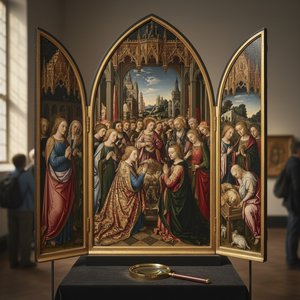
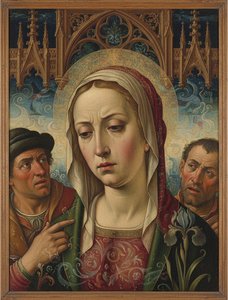
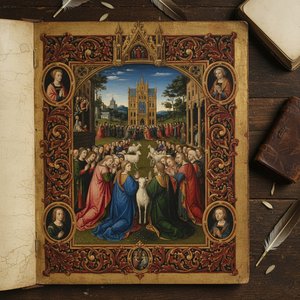
Beyond the surface level of breathtaking realism lies a complex, intellectual architecture of symbolism. In Flemish painting, nothing is accidental; every flower, every vessel, and every shadow serves as a silent narrator. The landscapes and interiors are often imbued with religious or moral allegories that require a learned eye to decipher. A lush garden is rarely just a garden; it is frequently an hortus conclusus, representing purity and the Virgin Mary, as seen in the ethereal beauty of works like the Virgin Of The Rose Garden by the Master of the Saint Lucy Legend.
This layer of meaning transforms the act of viewing into an act of reading. A single rose might symbolize martyrdom, while a clear carafe of water could represent divine grace. These artists wove a tapestry of hidden meanings into the very fabric of their compositions, ensuring that the physical beauty of the work was matched by its spiritual and intellectual depth. To study these paintings is to engage in a profound dialogue with the past, uncovering a world where the mundane and the miraculous are inextricably linked through the language of symbols.
From Devotion to Grandeur: The Evolution of the Franco-Flemish Style
As the centuries progressed, the Flemish style underwent a fascinating evolution, moving from the intimate, intensely devotional scenes of the early 15th century toward a more expansive and grand aesthetic. While the core principles of oil glazing and meticulous detail remained, the scale and subject matter began to shift. The profound piety found in the works of the early Netherlandish masters gradually integrated with the burgeoning humanism of the later Renaissance, allowing for a broader exploration of secular themes, portraiture, and landscape.
This evolution allowed the Flemish tradition to influence the entire European continent, shaping the trajectory of Western art. The transition from the heavy, symbolic altarpieces to more fluid, atmospheric compositions reflected a changing society—one that was increasingly interested in the individual and the natural world. Yet, even as the style grew more complex and grand, it never lost that fundamental Flemish soul: the unwavering commitment to capturing the exquisite, fleeting beauty of the physical realm with unparalleled technical brilliance.
Preserving the Legacy: Bringing Old Master Brilliance into the Modern Interior
In our contemporary era, the allure of the Old Masters remains undiminished. The profound sense of peace and sophistication offered by a Flemish-inspired aesthetic provides a timeless anchor for modern living spaces. Whether through the acquisition of museum-grade prints or the commissioning of bespoke oil reproductions, the spirit of this era can be integrated into the most modern architectural settings. The tactile nature of oil paint—the visible brushstrokes and the depth of color—offers a sensory richness that digital imagery simply cannot replicate.
At ArtsDot.com, we celebrate this enduring legacy by bridging the gap between historical greatness and modern accessibility. Our mission is to preserve the essence of human creativity, offering everything from high-fidelity Giclée prints to meticulously handcrafted oil recreations that honor the techniques of the masters. Through our dedication to academic excellence and artisanal craftsmanship, we ensure that the breathtaking beauty of the Flemish tradition continues to inspire, decorate, and enrich homes across the globe.