The Silent Narrative: Understanding the Soul of Still Life
To the untrained eye, a still life may appear as nothing more than a quiet arrangement of inanimate objects—a bowl of fruit, a cluster of wildflowers, or perhaps a discarded piece of linen. Yet, for the true connoisseur, these compositions are far from silent. They are profound, whispered dialogues between the viewer and the physical world. Still life art, or nature morte, possesses a unique ability to freeze time, capturing a singular, breathless moment of existence before the inevitable march of decay begins. It is an art form that demands a slow, meditative gaze, inviting us to find extraordinary meaning in the ordinary.
Beyond the mere depiction of objects, these works serve as vessels for deep emotional and intellectual resonance. Every element within the frame—the way light catches the curve of a grape, or the subtle shadow cast by a silver goblet—is a deliberate choice made by the master. This genre allows artists to explore themes of abundance, solitude, and the sensory delights of life. By focusing on the stationary, the artist elevates the mundane to the monumental, forcing us to confront the textures, colors, and shapes that constitute our lived experience. It is a celebration of presence in an ever-changing world.
The Golden Age of Abundance: Dutch Mastery and the Beauty of Decay
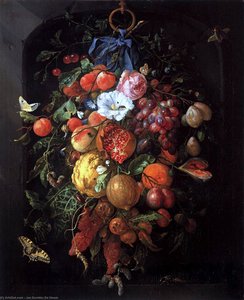
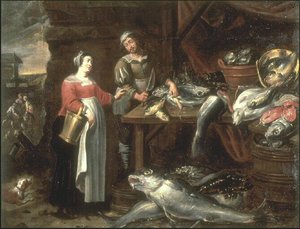
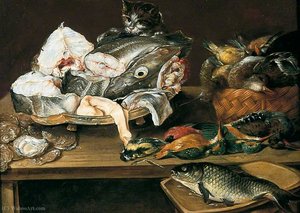
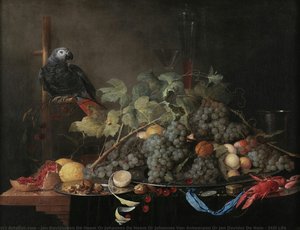
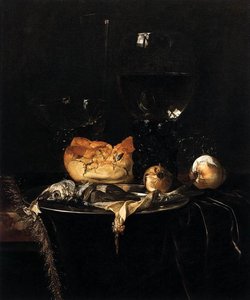
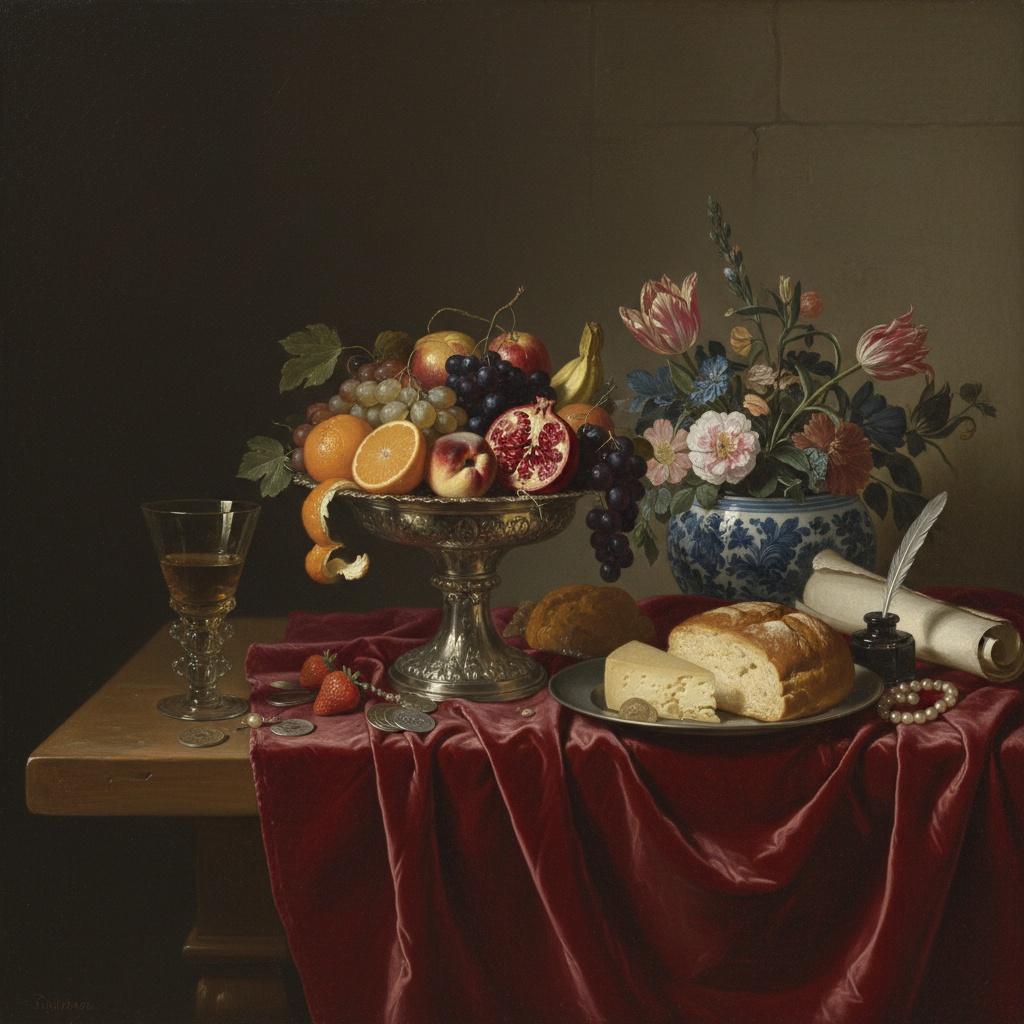
Nowhere does the still life reach its zenith of technical brilliance quite like the Dutch Golden Age. During this era, the prosperity of the Netherlands birthed a fascination with material wealth and botanical precision. Painters such as Adriaen van der Kabel and Balthasar van der Ast transformed the tabletop into a stage for unparalleled virtuosity. Their works are characterized by an exquisite realism, where the dewdrop on a petal or the translucent skin of a peach is rendered with such meticulous detail that the boundary between canvas and reality begins to blur.
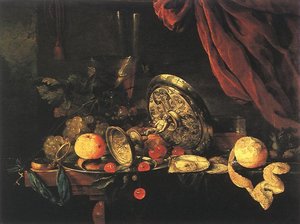
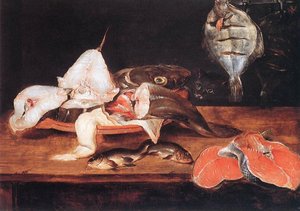
In these compositions, we witness a breathtaking duality: the celebration of opulence paired with the subtle presence of mortality. Consider the works of Frans Snyders, whose Still Life with Crab, Poultry, and Fruit masterfully employs dark, dramatic tones to highlight the textures of organic matter. There is a certain tension in these paintings; while they showcase the bounty of the earth, they also hint at the fleeting nature of such riches. The rich colors and symmetrical compositions found in works like those of Edward Baird echo this classical tradition, where every meticulously painted fruit serves as both a feast for the eyes and a reminder of the ephemeral nature of earthly delights.
Symbolism in Shadows: The Vanitas Tradition and Memento Mori
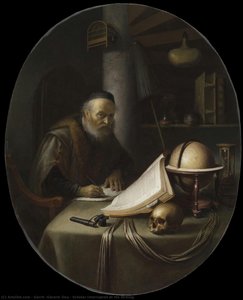
Deep within the shadows of the Baroque period lies the Vanitas tradition, a specialized subset of still life designed to provoke contemplation on the transience of life. These paintings are heavy with symbolism, utilizing specific objects to communicate a memento mori—a reminder that death is inevitable. A skull, perhaps, or an hourglass marking the relentless passage of time; a guttering candle, representing the extinguishing of the soul; or even a plucked flower, signifying the loss of youth and beauty.
This was not merely a morbid preoccupation but a sophisticated philosophical exercise. The artist used the visual language of decay to encourage the viewer toward spiritual reflection and temperance. By juxtaposing symbols of worldly success—such as fine jewelry, expensive books, or musical instruments—with emblems of mortality, the Vanitas painter created a profound tension. It is an art of shadows and light, where the most beautiful elements are often those that are on the verge of disappearing, teaching us to find value in the spiritual over the material.
From Baroque Opulence to Modern Impressionism: A Stylistic Evolution
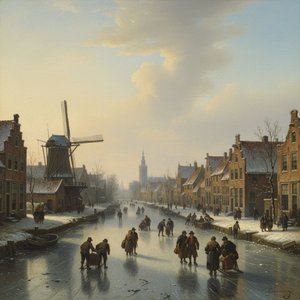
As art history progressed, the rigid symbolism of the 17th century began to dissolve into new, more subjective interpretations. The heavy, dramatic chiaroscuro of the Baroque era eventually gave way to the light-drenched, atmospheric explorations of the Impressionists. While the Old Masters sought to capture the tactile reality and symbolic weight of objects, artists like Monet or Renoir sought to capture the sensation of light hitting a surface. The focus shifted from the object itself to the perception of the object through the medium of atmosphere.
This evolution represents a fundamental shift in the human relationship with the visual world. Where the Dutch masters used precision to anchor us in reality, the later movements used brushwork and color to liberate the subject from form. Yet, the core essence remained: the fascination with the interplay of light, texture, and composition. Whether it is the thick, impasto textures of a modern reimagining or the delicate glazes of a classical oil painting, the still life continues to adapt, reflecting the changing aesthetic values of each passing century.
Curating the Eternal Table: Bringing Masterpieces into the Modern Home
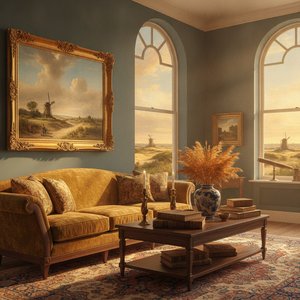
In our contemporary, fast-paced existence, there is a profound luxury in surrounding oneself with the stillness of the masters. Integrating classical still life into a modern interior offers more than mere decoration; it provides an anchor of stability and sophistication. A well-placed reproduction of a Dutch Golden Age masterpiece can serve as a focal point that commands attention and invites quiet reflection, bridging the gap between historical grandeur and modern architectural elegance.
For those looking to curate such a collection, the possibilities for personalization are endless. Whether through the acquisition of museum-quality Giclée prints that preserve every fine detail or the commissioning of a bespoke, hand-painted oil reproduction that captures the tactile soul of the original, art allows us to reclaim these historical narratives for our own spaces. By bringing the "masterpieces of the table" into our homes, we ensure that the profound lessons of beauty, abundance, and mortality continue to resonate in the modern age.
At ArtsDot.com, we are dedicated to preserving this legacy of human creativity. From meticulously handcrafted oil paintings that replicate the heavy textures of the Old Masters to high-fidelity digital prints for the discerning collector, our mission is to make the wonders of art history accessible to all. Whether you seek a custom portrait or a breathtaking historical reproduction, we invite you to explore our vast library and bring the timeless elegance of the masters into your world.