The Convergence of Science and Art: Defining Botanical Illustration
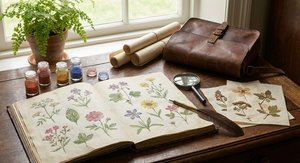
To gaze upon a true botanical illustration is to witness a profound dialogue between the analytical mind and the creative soul. Unlike the broader, more emotive strokes of landscape painting, which seek to capture the fleeting atmosphere of a moment, botanical art is rooted in an unwavering commitment to truth. It is a discipline where the artist serves as both creator and chronicler, translating the complex architecture of flora into a visual language that is simultaneously beautiful and informative. This genre does not merely represent a flower; it dissects its essence, documenting the delicate venation of a leaf, the precise curvature of a petal, and the structural integrity of a stem with an almost sacred devotion to accuracy.
At its heart, this art form exists at the intersection of aesthetics and taxonomy. It requires a unique temperament—one that possesses the patience of a scientist and the sensitivity of a poet. The objective is to achieve a level of clarity that allows for identification, yet it must never descend into the sterile coldness of a mere diagram. When executed with mastery, the illustration breathes; it retains the vitality of the living specimen while providing a permanent, frozen record of its biological complexity. This duality creates a tension that has captivated collectors and scholars alike for centuries, making botanical art a cornerstone of natural history.
A Chronological Journey: From Renaissance Taxonomy to 19th-Century Naturalism
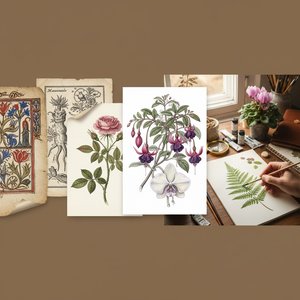
The evolution of botanical illustration is inextricably linked to the history of human discovery. During the Renaissance, as explorers ventured into uncharted territories, the need for accurate visual records became paramount. The burgeoning field of botany demanded a way to categorize the vast influx of new species, and the artist’s brush became an essential tool for the naturalist. Early works were often utilitarian, yet they laid the groundwork for a sophisticated tradition that would flourish as scientific understanding deepened.
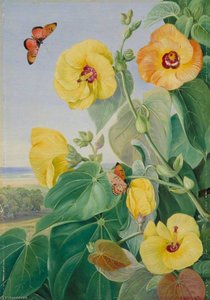
As we moved into the 18th and 19th centuries, the genre reached its zenith of elegance and precision. This era saw the rise of the great botanical expeditions, where artists accompanied botanists to document the exotic flora of distant continents. The art transitioned from simple documentation to highly refined studies that celebrated the intricate details of plant life. This period was characterized by a shift toward naturalism, where the goal was to capture not just the structure, of a plant, but its lifelike presence. The works became more nuanced, utilizing light and shadow to suggest volume and texture, effectively bridging the gap between scientific record and fine art masterpiece.
Mastering the Detail: The Technical Precision of Watercolor and Ink
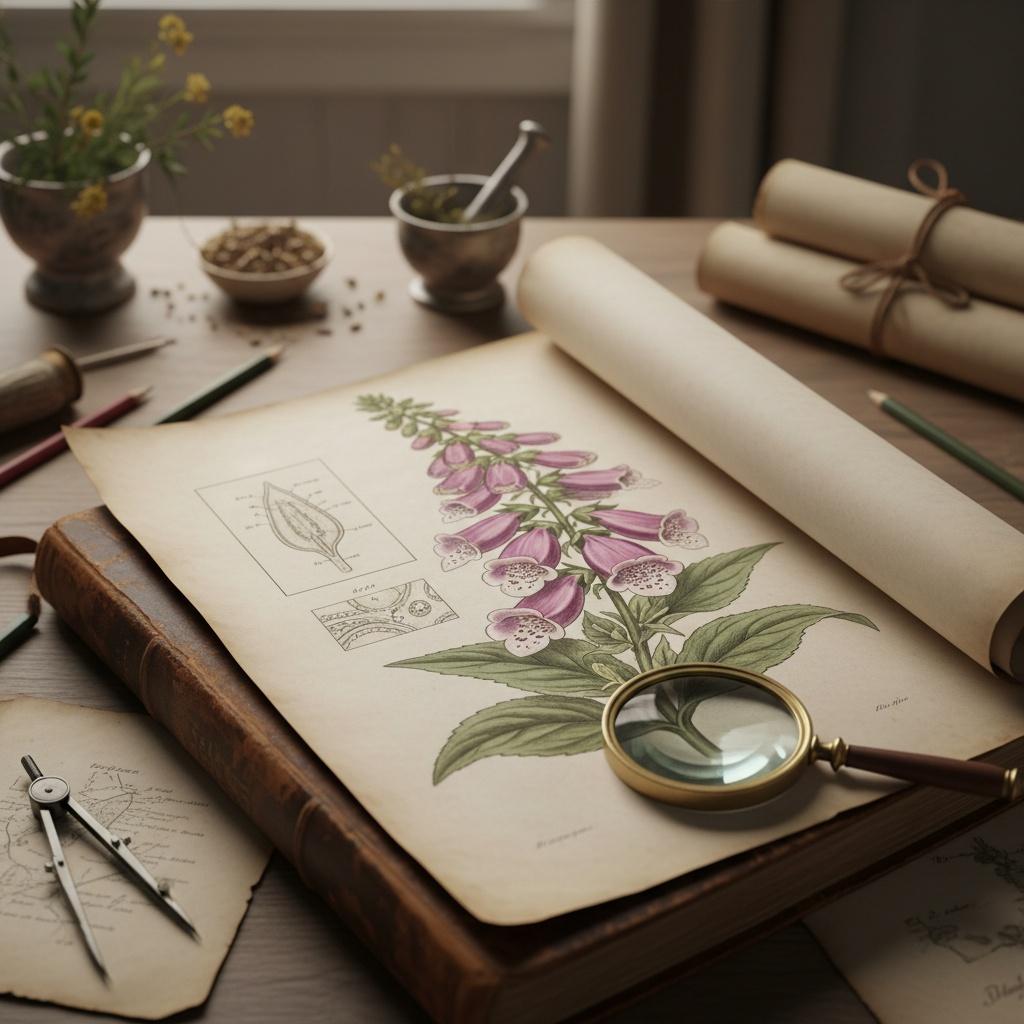
The technical demands of botanical illustration are immense, requiring a mastery of medium that few can claim. Watercolor remains the quintessential medium for this genre, prized for its transparency and ability to mimic the delicate, translucent quality of living petals. An artist must possess an extraordinary control over pigment and water, layering washes with such precision that they build depth without losing clarity. Each stroke must be intentional; a single misplaced drop of color can disrupt the scientific integrity of the piece.
In many historical works, this watercolor fluidity is balanced by the sharp, decisive lines of ink or fine-point pens. Techniques such as hatching and cross-hatching are employed to define the structural shadows and the rugged textures of bark or stems. This interplay between the soft, bleeding edges of watercolor and the rigid precision of ink allows for a three-dimensional effect that is both tactile and lifelike. The artist must also navigate the challenges of lightfastness and longevity, ensuring that the vibrant greens and deep crimsons remain true through the passage of decades, preserving the specimen's vitality for future generations of observers.
Iconic Visionaries: Examining the Works of Purdy, Masclef, and Loudon
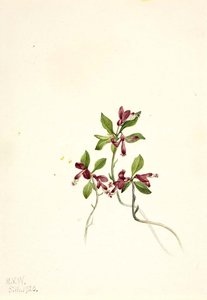
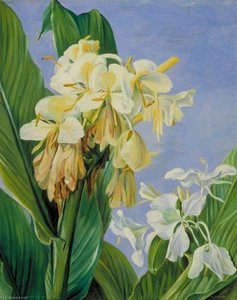
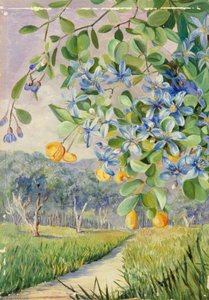
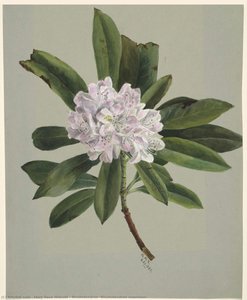
The history of this discipline is written in the hands of its most luminous practitioners. Consider the work of Maud H. Purdy, whose 1932 study of the Trumpet Creeper stands as a testament to the enduring power of watercolor. Her ability to capture the Campis radion with both scientific rigor and an exquisite sense of natural grace exemplifies the peak of early 20th-century botanical mastery. In her work, the plant is not merely a subject; it is a protagonist in a silent, beautiful drama.
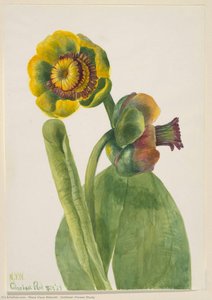
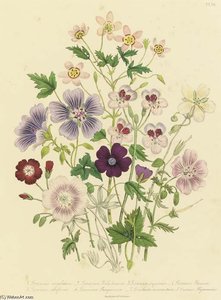
Similarly, the 18th-century works of Amédée Masclef offer a window into the era of scientific enlightenment. His illustrations of Rubia tinctorum (Madder) utilize meticulous hatching to capture the plant's form, providing a level of detail that serves both the collector and the botanist. Moving into the 19th century, we encounter the influential Jane Loudon, whose The Ladies’ Flower Garden brought the wonders of the natural world to a wider audience. Her detailed wildflower studies combined the era's passion for naturalism with an accessible elegance, proving that botanical art could be both an educational tool and a source of profound aesthetic pleasure. Alongside figures like Frederick E. Cohen, these artists built a legacy of precision that continues to inspire awe.
The Enduring Legacy: Botanical Art in Modern Collections and Interior Design
Today, the influence of botanical illustration extends far beyond the pages of historical herbals or scientific journals. In the realm of contemporary interior design, these works are highly sought after for their ability to bring a sense of organic tranquility and timeless sophistication to a space. Whether presented as large-scale museum-quality prints or delicate framed studies, botanical art offers a connection to the natural world that feels both grounded and luxurious.
For the modern collector, these pieces represent more than mere decoration; they are windows into a period of human history defined by curiosity and discovery. The enduring appeal lies in their ability to harmonize with diverse aesthetics, from the classical grandeur of a traditional estate to the clean lines of a modern gallery. As we continue to value the intersection of beauty and truth, the botanical illustration remains an essential element of a curated life, offering a permanent, elegant reminder of the intricate perfection found in nature's own design.
At ArtsDot.com, we celebrate this legacy of craftsmanship. From exquisite Giclée prints to bespoke, hand-painted oil reproductions that capture every tactile brushstroke, we provide collectors with access to the timeless beauty of botanical art. Whether you are seeking a piece for a personal collection or looking to transform your space with a custom masterpiece, our commitment to academic excellence and historical integrity ensures that every artwork we offer preserves the spirit of the masters.