The Transition from Renaissance Harmony to Mannerist Tension
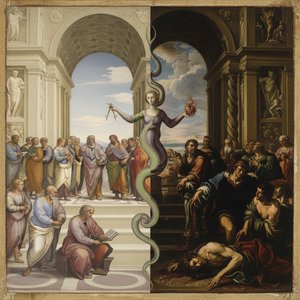
To understand the profound shift of Northern Mannerism, one must first contemplate the serene equilibrium of the High Renaissance. For decades, the artistic landscape was defined by a pursuit of perfection—a mathematical balance where perspective, anatomical accuracy, and light converged to create a window into a divine, harmonious reality. Artists sought to mirror the order of the cosmos through stable pyramidal compositions and a sense of tranquil permanence. However, as the sixteenth century dawned, this classical stability began to fracture under the weight of profound social, religious, and political upheaval.
The transition was not a sudden rupture but a gradual, deliberate departure from the predictable. The clarity of the Renaissance gave way to an era of ambiguity and psychological complexity. Where once there was balance, there emerged tension; where once there was naturalism, there arose a fascination with the artificial and the elongated. This movement, known as Mannerism, sought to move beyond mere imitation of nature toward an expression of internal, often turbulent, human experience. It was a period where the artist’s maniera—their individual style and virtuosity—became more important than the objective depiction of the physical world.
This evolution marked a departure from the "ideal" towards the "expressive." The stability of the previous era felt increasingly inadequate to capture the spiritual anxieties and intellectual shifts of a changing Europe. Consequently, artists began to manipulate form, stretching limbs and twisting bodies into figura serpentinata, creating a sense of movement that was both graceful and unsettling. This tension between the known order of the past and the emerging complexity of the present defines the very soul of this transformative epoch.
Defining Northern Mannerism: Distortion, Symbolism, and Emotional Intensity
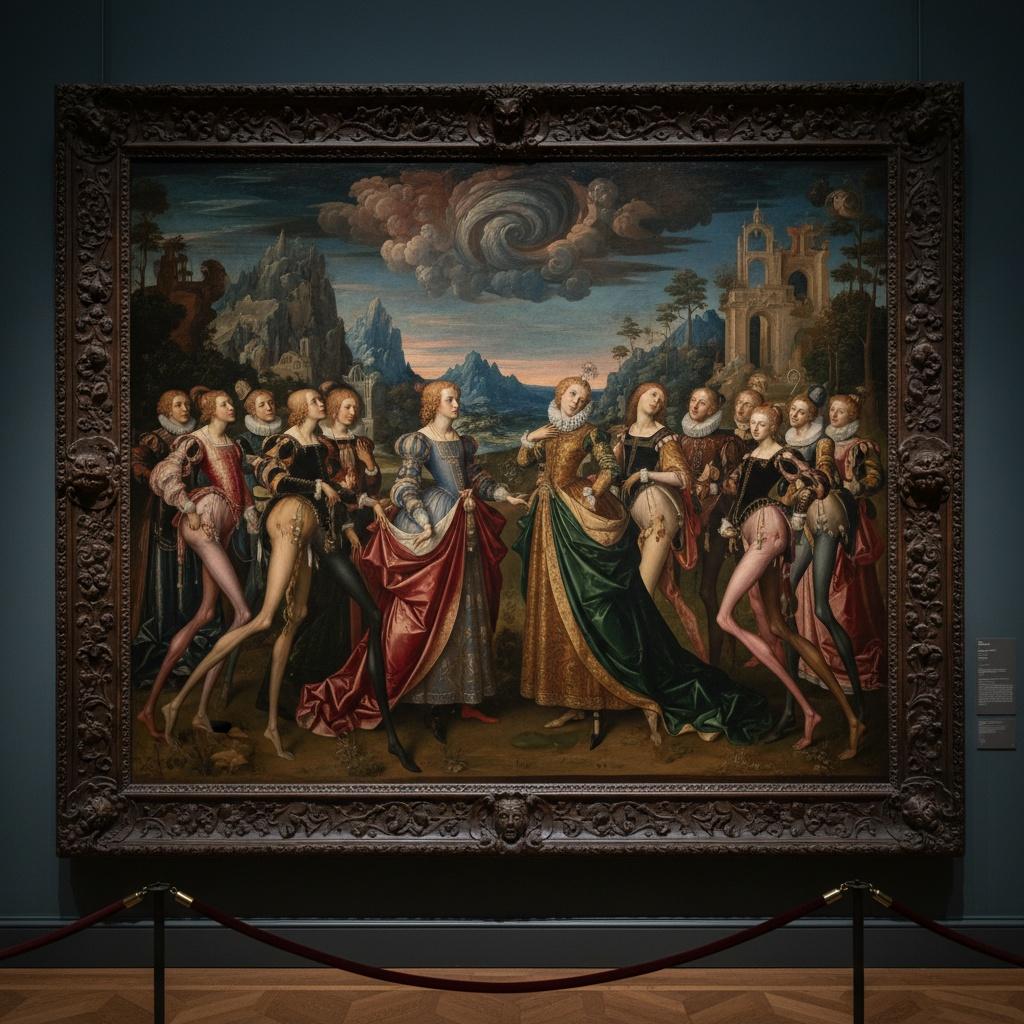
Northern Mannerism distinguishes itself from its Italian counterpart through a unique preoccupation with intricate detail, unsettling symbolism, and a visceral emotionality. While Italian Mannerists often focused on courtly elegance and sophisticated artifice, the masters of the North utilized distortion as a tool for spiritual and psychological depth. The human form was no longer bound by the strictures of classical proportion; instead, it became a vessel for conveying suffering, ecstasy, or profound devotion.
Symbolism in this era functioned as a complex, layered language. Every element within a composition—a wilted flower, a strange creature, or an unusual light source—carried heavy theological or allegorical weight. This was not art meant for passive viewing; it was an intellectual puzzle designed to provoke contemplation and even dread. The use of unsettling beauty allowed artists to explore the darker recesses of the human psyche, blending the grotesque with the sublime in a way that challenged the viewer's perception of reality.
The emotional intensity of Northern Mannerism is perhaps its most enduring legacy. Through the manipulation of color palettes—often utilizing acidic, clashing tones or deep, somber shadows—artists could evoke a sense of spiritual turmoil. The works of this period do not merely depict scenes; they inhabit them, pulling the observer into a world where the boundaries between the physical and the metaphysical are perpetually blurred. It is an art of profound affect, where the distortion of the body serves to amplify the intensity of the soul.
Masters of the Unsettling: The Visionary Works of Hieronymus Bosch and Matthias Grünewald
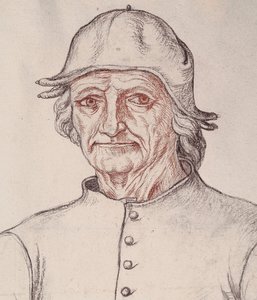
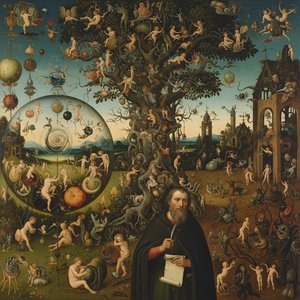
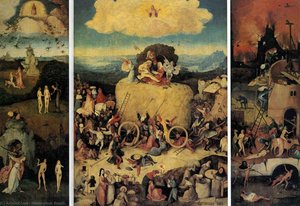
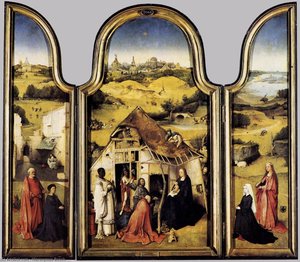
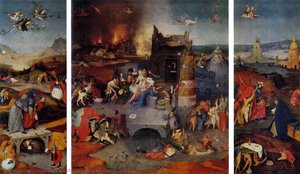
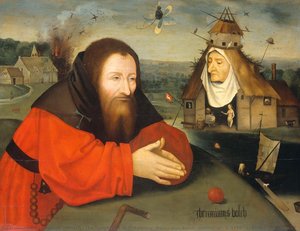
At the heart of this dramatic movement lie figures whose imaginations seemed to transcend the limits of the visible world. Hieronymus Bosch stands as a titan of the enigmatic, a painter whose works, such as St. Jerome in Prayer, serve as gateways into a landscape of profound symbolism and unsettling beauty. His ability to weave together layered compositions filled with fantastical creatures and moralistic allegories creates an atmosphere that is simultaneously captivating and deeply disturbing. In Bosch’s universe, the line between the divine and the demonic is thin, rendered through a dark palette and a meticulous, almost obsessive, attention to detail.
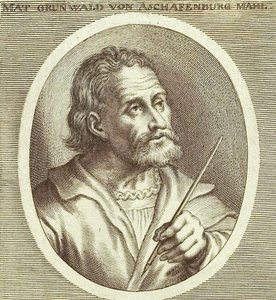
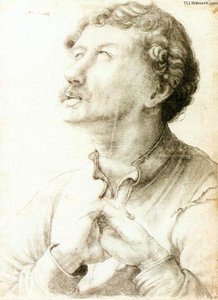
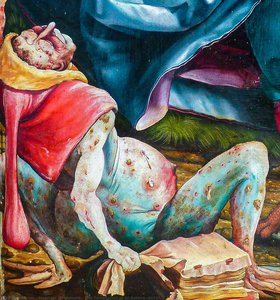
In contrast to Bosch’s surrealist tendencies, Matthias Grünewald approached the era's characteristic tension through the lens of intense religious devotion and physical suffering. A master of expressionism long before the term existed, Grünewald’s work—most notably the Isenheim Altarpiece—utilizes extreme distortion to communicate the agony of the Crucifixion. His ability to depict skin contorted by pain and light fractured by spiritual trauma creates a visceral experience for the viewer. In his hands, the Mannerist impulse toward exaggeration becomes a powerful vehicle for empathy and religious fervor.
Both artists, though distinct in their thematic focus, share a fundamental commitment to using the unnatural to reach a deeper truth. Whether through Bosch’s dreamlike moral landscapes or Grünewald’s harrowing depictions of martyrdom, these masters utilized the tools of Northern Mannerism to push the boundaries of what art could communicate, ensuring that the viewer was never merely an observer, but a participant in a profound spiritual drama.
The Aesthetics of Elegance: Exploring Sophisticated Distortion and Complex Compositions
Beyond the raw emotion of the religious masters, Northern Mannerism also embraced a highly sophisticated aesthetic of elegant distortion. This facet of the movement focused on the refinement of line and the complexity of composition to create works of immense technical virtuosity. The goal was often to achieve a sense of sprezzatura—a certain studied nonchalance—where even the most difficult and anatomically impossible poses appeared executed with effortless grace.
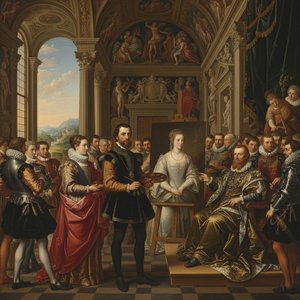
Compositions in this period became increasingly labyrinthine. Artists moved away from the clear, centered focal points of the Renaissance, opting instead for crowded, multi-layered scenes that forced the eye to wander through a maze of limbs, drapery, and architectural fragments. This complexity was not merely decorative; it served to mirror the intellectual sophistication of the era's elite, rewarding the viewer who could navigate the intricate visual rhetoric. The use of asymmetry and unexpected spatial depths added to this sense of sophisticated disorientation.
The interplay of light and shadow also underwent a significant transformation. Rather than using light solely for modeling form, Mannerist artists used it to create dramatic highlights and deep, obscuring shadows, contributing to the overall sense of mystery. This manipulation of light, combined with elongated figures and serpentine movements, created an aesthetic that was both highly stylized and deeply evocative, marking a pinnacle of artistic artifice that would influence generations of painters across Europe.
Legacy and Influence: How Northern Mannerism Reshaped the Course of European Art
The impact of Northern Mannerism extends far beyond its chronological boundaries. By breaking the shackles of classical naturalism, this movement paved the way for the expressive freedom that would characterize much of later Western art. The era's emphasis on subjectivity and the artist's unique vision laid the groundwork for the Baroque period’s dramatic intensity and, centuries later, the emotional explorations of Romanticism and even modern Expressionism.
The movement taught the art world that truth is not always found in the accurate depiction of the external world, but often in the distorted, exaggerated, and symbolic representation of internal reality. The technical innovations in composition and the daring use of color palette provided a new vocabulary for artists to explore complex psychological states. Even the way we perceive beauty was altered, as the era introduced the idea that there is profound aesthetic value in the strange, the complex, and the unsettling.
Today, the works of the Northern Mannerists continue to fascinate collectors and scholars alike. Their ability to capture the tension of a world in flux remains strikingly relevant. As we look back on this dramatic evolution, we see not just a departure from the Renaissance, but a courageous leap into a new dimension of human expression—one where the brushstroke becomes a direct conduit for the complexities of the human spirit.
At ArtsDot.com, we celebrate the enduring power of these historical masterpieces. Our mission is to bring the profound beauty and technical brilliance of the Old Masters into modern homes through our premium, hand-painted oil reproductions. Whether you are drawn to the intricate symbolism of Bosch or the dramatic intensity of Grünewald, our skilled artists use traditional techniques—applying multiple layers of oil paint on heavy-duty cotton canvas—to ensure every piece retains the tactile depth and "living" quality of the original museum works. From custom commissions that allow you to "remix" art history to high-quality Giclée prints for lasting preservation, ArtsDot is dedicated to making the extraordinary accessible to every art enthusiast worldwide.