


The Essence of Romantic Realism: A Synthesis of Sentiment and Precision
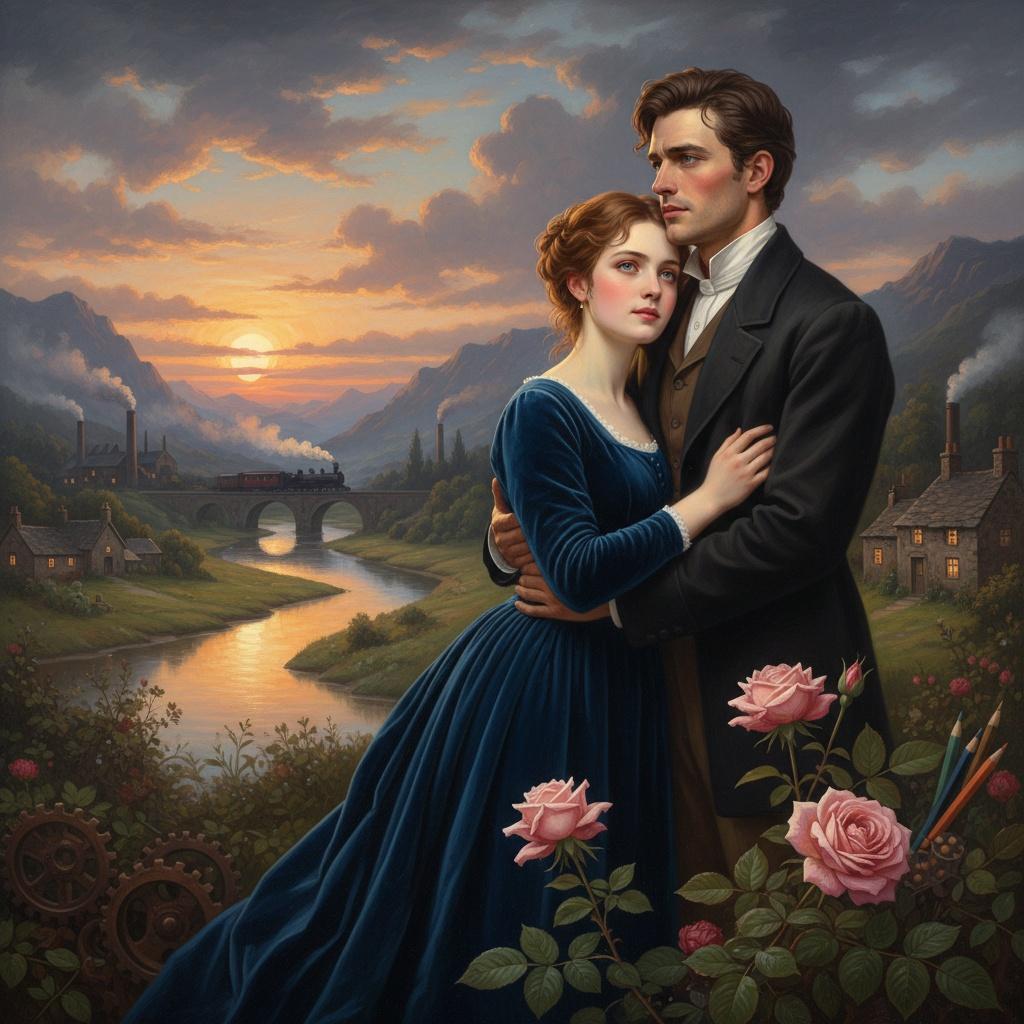
To step into the world of Romantic Realism is to enter a realm where the rigorous discipline of the academy meets the unbridled passion of the human soul. This singular movement, which flourished during the nineteenth century, represents one of the most captivating paradoxes in art history. It refuses the cold, detached observation of pure Naturalism and rejects the often nebulous abstractions of pure Romanticism, choosing instead to find a middle ground where every meticulously rendered thread of a garment or glint of light on a teardrop serves a higher emotional purpose. In this era, the brush was used not merely to document the world, but to interpret its deepest resonances.
The beauty of this style lies in its duality. On one hand, we find an almost scientific devotion to detail—a commitment to capturing the tactile reality of textures, from the weathered skin of a laborer to the delicate translucency of a petal. On the other, there is an underlying current of intense feeling that breathes life into these details. When we observe a masterpiece of this period, we are not just looking at a well-executed study of light; we are witnessing a deliberate attempt to evoke empathy, awe, or even a profound sense of melancholy. It is a style where technical virtuosity acts as the vessel for profound narrative truth.
Narrative Depth: Exploring the Human Condition through Genre Painting
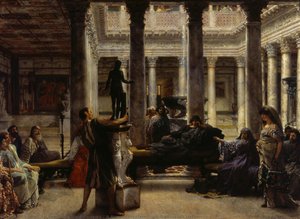
At the heart of Romantic Realism lies the genre painting, a medium that elevated the everyday experiences of humanity to the status of high art. These works often function as silent stories, inviting the viewer to peer into the private lives of their subjects. Consider the poignant narratives found in the works of artists like Jean-Louis Ernest Meissonier, whose The Lovers of Painting captures an intimate, romanticized moment with such exquisite precision that the viewer feels like an unobserved witness to a sacred bond. Here, the detail is not decorative; it is essential to the intimacy of the scene.
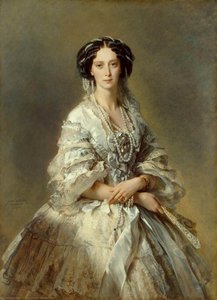
However, this narrative depth is not always found in moments of tenderness. The movement also possessed a profound capacity for exploring hardship and resilience. In works such as William Bright Morris’s Spanish Beggars, we encounter a somber, powerful depiction of struggle. Through the use of rich, earthy tones and a heavy, grounded realism, the artist communicates the weight of existence. Similarly, the works of Pierre Auguste Vafflard allow us to touch upon the more tragic dimensions of the human experience, such as grief and loss. Through these varied lenses—from the idyllic to the tragic—Romantic Realism provides a comprehensive mirror to the complexities of our shared existence.
The Mastery of Light and Texture: Technical Virtuosity in 19th-Century Oil
The emotional impact of Romantic Realist works is inextricably linked to the technical mastery of the artists. The use of oil paint during this period reached a pinnacle of sophistication, particularly in the manipulation of light and the creation of palpable texture. Artists utilized complex layering techniques, often applying multiple glazes to achieve a luminous depth that seems to glow from within the canvas itself. This technique allows for a subtle gradation of tones, essential for rendering the soft contours of a face or the dramatic shadows of a maritime scene.
Furthermore, the tactile quality of these paintings—the impasto where paint is applied thickly to catch the light—adds a three-dimensional dimension to the viewing experience. In marine paintings, such as those by George Gregory, one can almost feel the spray of the salt water and the heavy movement of the waves through the deliberate, textured brushwork. Even in more delicate subjects, like the charming genre scenes of Cesare Lapini, the careful rendering of fabric and skin creates a sense of physical presence. This technical excellence ensures that the artwork is not merely a visual representation but a sensory experience that engages the viewer on a fundamental level.
From Melancholy to Majesty: The Emotional Spectrum of the Era
The emotional landscape of Romantic Realism is vast, spanning the entire spectrum of human feeling. It possesses the ability to move seamlessly from the quiet, introspective melancholy of a solitary figure to the grand, sweeping majesty of a coastal storm. This versatility allows the movement to resonate with a wide array of temperaments. One moment, a viewer might find themselves lost in the soft, nostalgic light of a seaside afternoon; the next, they may be confronted by the stark, unyielding reality of social hardship.
This emotional range is achieved through a careful balance of color palette and composition. Somber, muted tones are employed to evoke introspection and gravity, while more vibrant, light-drenched palettes are used to celebrate life and beauty. The compositions themselves often guide the eye through an emotional journey, using focal points to emphasize moments of tension or repose. It is this deliberate orchestration of visual elements that allows Romantic Realism to transcend mere depiction, turning every canvas into a profound meditation on the human spirit.
Preserving the Legacy: Bringing Romantic Realism into the Modern Interior
In our contemporary era, characterized by rapid digital consumption and fleeting imagery, the enduring power of Romantic Realism offers a much-needed sense of permanence and depth. Integrating these classical aesthetics into a modern home or professional space provides more than just decoration; it introduces a sense of history, culture, and emotional resonance. Whether through a large-scale maritime oil painting that commands a room or a delicate portrait that invites quiet contemplation, these works serve as anchors of beauty in an ever-changing world.
For the modern collector, the challenge lies in finding authentic ways to honor this legacy. The appreciation for the "Old Masters" continues through high-quality reproductions and custom commissions that respect the original's technical integrity. By bringing these masterful details and deep emotional narratives into our personal environments, we ensure that the profound dialogue between the artist and the viewer remains unbroken, allowing the timeless spirit of Romantic Realism to continue inspiring generations to come.
ArtsDot.com stands at the intersection of this historical reverence and modern accessibility. As a global leader in art reproduction and custom commissions, we specialize in preserving the soul of classical movements. From meticulously handcrafted oil reproductions that capture every tactile brushstroke to bespoke services that transform personal memories into period-accurate masterpieces, our mission is to make the profound beauty of art history a living part of your world.