

The Alchemy of Clay: Understanding the Essence of Ceramic Mastery
To touch a piece of fine ceramic art is to engage in a silent dialogue with the very foundations of our planet. There is an inherent, primordial magic in the transformation of humble earth into a vessel of profound beauty—a process known as alchemy, where heat and intention converge. For the discerning collector, mastery in ceramics is not merely measured by technical proficiency but by the artist's ability to command the volatile nature of clay, guiding it through the furnace to emerge as something eternal. This metamorphosis requires an intimate understanding of mineral compositions, moisture levels, and the precise choreography of temperature.
True mastery begins long before the kiln is lit; it resides in the preparation of the medium itself. The artist must possess a sensitivity to the plasticity of the clay, recognizing when it is receptive to the delicate touch of a finger or when it demands the structural strength of a more robust composition. When an artist achieves this equilibrium, the resulting work transcends mere utility, becoming a sculptural testament to human willpower over elemental chaos. It is in this delicate balance between the raw, unrefined earth and the refined, sophisticated form that the soul of ceramic art truly resides.
Tactile Narratives: The Role of Texture and Glaze in Sculptural Depth
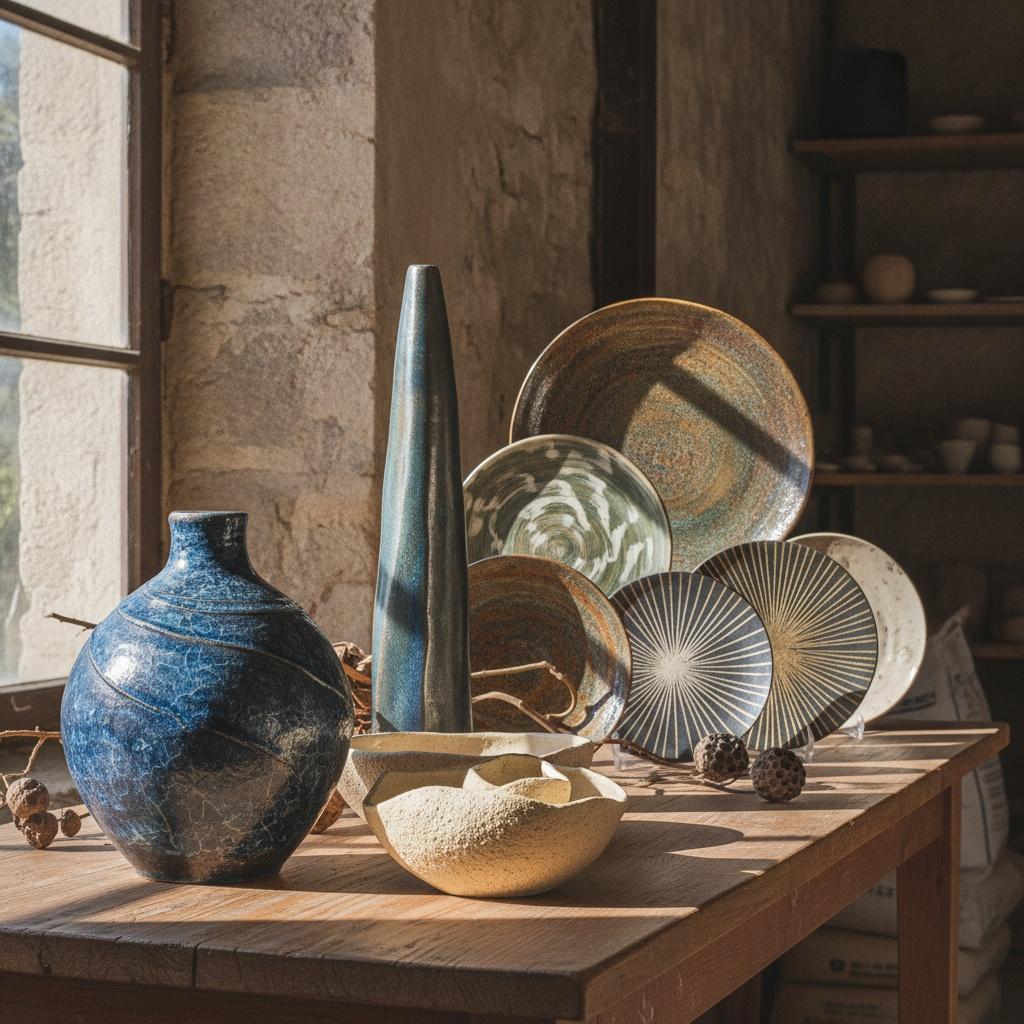
If the clay provides the body of a sculpture, then texture and glaze provide its voice. In the realm of high-end ceramics, surface quality is a narrative element that invites the viewer to move closer, to linger, and to experience the work through a multi-sensory lens. A matte, unglazed surface may evoke a sense of ancient, weathered stone, grounding a piece in a sense of historical weight and permanence. Conversely, a highly polished, vitreous finish can reflect light with a liquid brilliance, lending an air of modern opulence and ethereal lightness to the form.
The application of glaze is perhaps the most sophisticated expression of an artist's technical repertoire. Consider the profound depth found in iron-glaze techniques, such as those seen in the masterful works of Hara Kiyoshi, where the interplay of dark, metallic tones creates a sense of infinite shadow and light. Or contemplate the vibrant, emotive possibilities of Art Deco ceramics, like the striking blue and orange hues utilized by Valerie Wieselthally, which transform a vessel into a dynamic architectural statement. Glaze is not merely a coating; it is a chemical dance that can produce crackle effects, crystalline growths, or deep, translucent layers that suggest a world existing beneath the surface of the object.
From Tradition to Avant-Garde: A Lineage of Iconic Ceramic Movements
The history of ceramics is a rich tapestry woven from centuries of cultural innovation and aesthetic evolution. From the disciplined traditions of Japanese tea ceremony vessels to the industrial elegance of British Art Pottery, each movement has contributed a unique vocabulary to the medium. The Linthorpe Art Pottery, for instance, represents a pinnacle of late 19th-century British craftsmanship, where collaborations with visionaries like Christopher Dresser pushed the boundaries of design and ornamentation. Similarly, the American legacy established by The Rookwood Pottery Company brought an unprecedented level of artistry to functional forms, creating pieces that remain highly coveted by collectors today.
As we transitioned into the modern era, the boundaries between craft and fine art began to dissolve. The Aesthetic Movement, championed by pioneers such as Wileman & Co., introduced a new philosophy where beauty and functionality were inextricably linked through intricate transferware patterns. This evolution paved the way for contemporary sculptors like Magdalena Martí Coll, whose works explore memory and form through earthy, evocative textures that challenge our perceptions of shape. Today, the lineage continues through institutions like the Kyoto Ceramic Art Association, where the tension between ancient tradition and experimental innovation ensures that ceramics remains a vital, breathing medium in the global art market.
Curating the Earth: Integrating Ceramic Sculpture into Luxury Interiors
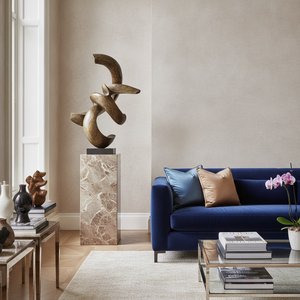
Integrating ceramic sculpture into a curated interior requires an eye for proportion, light, and architectural harmony. Unlike a painting, which occupies a two-dimensional plane, a ceramic piece commands the three-dimensional space around it, acting as an anchor for the room's aesthetic energy. A large-scale, avant-garde vessel can serve as a focal point in a minimalist hall, while a collection of smaller, textured studies might find their home in a library, adding layers of tactile interest to a sophisticated setting. The key lies in recognizing how the light of a room interacts with the glaze—how a morning sun might catch the edge of a porcelain rim or how evening shadows might deepen the crevices of a rugged, stoneware form.
For the interior designer or the dedicated collector, ceramics offer an unparalleled opportunity to introduce organic warmth into structured environments. The presence of "earthy" sculptures can soften the hard lines of modern architecture, providing a necessary connection to the natural world. When placed alongside fine oil paintings or bespoke textiles, ceramic works act as a bridge between different artistic disciplines, creating a cohesive and multi-layered atmosphere of luxury. It is an exercise in curation that celebrates the interplay of weight, void, and surface.
The Collector's Eye: Evaluating Provenance, Technique, and Material Integrity
For the serious collector, the acquisition of ceramic art is an investment in both beauty and historical significance. Evaluating a piece requires a rigorous examination of its technical execution—the stability of the form, the evenness of the glaze, and the intentionality of the texture. One must look beyond the surface to understand the artist's command over the kiln; a successful firing is evident in the lack of structural flaws and the successful realization of complex chemical effects. Provenance remains equally paramount, as the history of ownership and exhibition can significantly enhance the prestige and value of a work.
Furthermore, understanding the material integrity of a piece is essential for long-term preservation. The durability of high-fired stoneware versus the delicate nature of fine porcelain dictates how a piece should be displayed and maintained. As part of a sophisticated collection, these works must be protected from extreme temperature fluctuations and physical impact. Ultimately, the true value of a ceramic masterpiece lies in its ability to endure—to remain as captivating and structurally sound centuries after it left the artist's hands, serving as a timeless link between the earth, the maker, and the collector.